
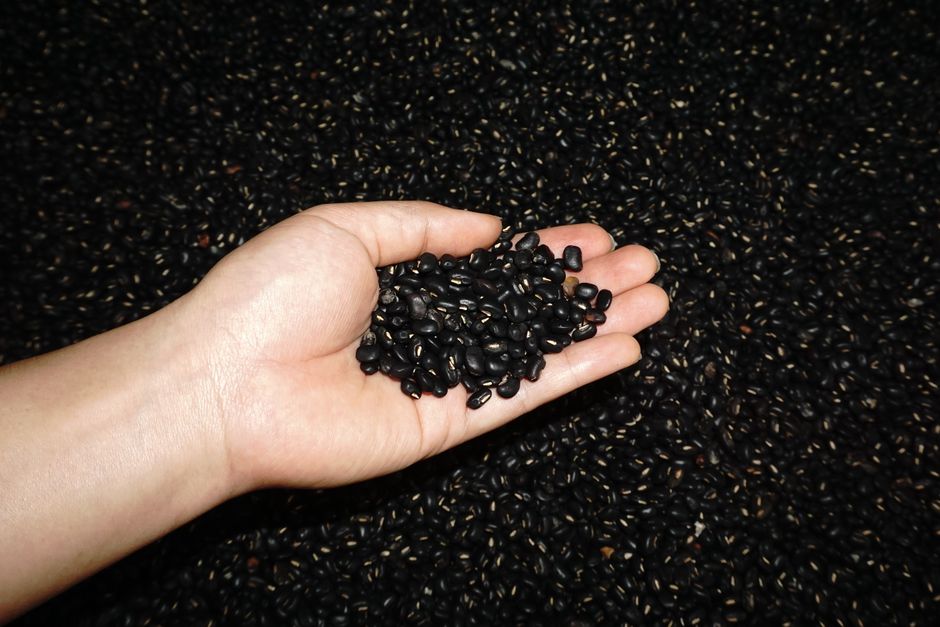
Black beans do not make you fat. Eaten as part of a normal diet, they are more likely to help with weight control than harm it. The idea that beans cause weight gain usually comes from confusion about calories, carbohydrates, and bloating — not from what the research actually shows.
What matters is how they are prepared and how much you eat. A plain bowl of black beans behaves very differently in your body than a plate of refried beans loaded with lard, or beans served alongside rice, cheese, and fried meat. The bean itself is not the problem.
Do Black Beans Make You Fat Or Help You Lose Weight?
Black beans support weight loss more than they work against it. They are high in fiber and protein, low in fat, and they take up space in your stomach without delivering a large number of calories. That combination tends to make people feel full on less food.
The weight gain people associate with beans almost always comes from everything added to them. A cup of cooked black beans on its own has a very different calorie and fat profile than the same beans cooked in bacon fat or topped with sour cream and cheese. The bean is not causing the gain. The additions are.
There is also a common belief that carbohydrates — especially from beans and grains — drive fat storage more than other foods. This idea gets shared widely online, but the evidence does not support singling out beans. Weight gain comes down to eating more calories than your body uses over time. It is not triggered by one food category on its own.
Research on legumes, including beans, has generally found that people who eat them regularly tend to weigh less and have smaller waist measurements than people who rarely eat them. That is an association and does not prove cause and effect by itself. Still, it lines up with what we know about how fiber and protein affect appetite.
How Many Calories Are in Black Beans?
Cooked black beans contain about 227 calories per cup, according to USDA data. That same cup provides roughly 15 grams of fiber and about 15 grams of protein, with less than 1 gram of fat.
That is a lot of nutrition for the calories. For comparison, many foods that deliver similar protein come with far more fat and far less fiber. The fiber is the key part here — it slows digestion and helps you feel full for longer.
| Nutrient | Amount per 1 cup cooked |
|---|---|
| Calories | 227 |
| Protein | ~15 g |
| Fiber | ~15 g |
| Fat | <1 g |
| Carbohydrates | ~41 g |
One thing worth knowing: not all of those carbohydrates are digested. A portion of the starch in beans resists digestion in the small intestine and reaches the colon, where gut bacteria ferment it. This is part of why beans feed beneficial gut bacteria — and also why they can cause gas.
Why Do Beans Have a Reputation for Causing Weight Gain?
Most of the reputation comes from three sources, and none of them hold up well under scrutiny.
The first is the carbohydrate content. Beans are starchy, and some popular diet approaches treat all starches as fattening. That framing ignores that beans also carry fiber and protein, which change how the body handles those carbohydrates. A starchy food with 15 grams of fiber does not behave like white bread.
The second is preparation. Traditional bean dishes in many cultures are cooked with fatty meats, oils, or sugar. The beans get blamed for the calories that came from the fat and sugar added alongside them.
The third is bloating. Beans can cause gas and temporary abdominal fullness, especially in people who are not used to eating them. That feeling gets mistaken for weight gain. It is not fat. It is gas and water movement in the gut, and it usually settles as your digestive system adjusts.
None of these actually cause your body to store more fat. They cause a feeling, a habit, or a misattribution.





How Fiber and Protein in Black Beans Affect Appetite
Fiber and protein are the two nutrients most consistently linked to feeling full. Black beans provide both in the same bite, which is unusual for a single food.
Fiber slows the emptying of your stomach and adds bulk to what you eat. Protein takes longer to digest and appears to influence appetite signals in the body. Together, they tend to reduce how much you eat at your next meal. This is a well-established effect, though how strongly it plays out varies from person to person.
The resistant starch in beans may also matter. When gut bacteria ferment it, they produce short-chain fatty acids that the body uses for energy and that appear to influence metabolism and appetite signaling. This area of research is still developing, so it is reasonable to say the mechanism is plausible and under study rather than fully settled.
Here is a point that gets overlooked: the calorie count on a label does not always match the calories your body actually absorbs. Because some bean starch escapes digestion, the usable energy from beans may be somewhat lower than the label suggests. The size of that gap is still being studied, so treat it as a small effect, not a dramatic one.
How to Eat Black Beans Without Gaining Weight
How you serve beans matters more than the beans themselves. The goal is to keep the meal centered on the bean and not on what gets piled on top.
- Cook or heat beans with little or no added fat. A splash of olive oil is fine; a quarter cup is not.
- Watch the toppings. Cheese, sour cream, and fatty meats add most of the calories in many bean dishes.
- Pair beans with vegetables rather than large portions of refined grains.
- Start with smaller portions if you are not used to beans, then build up over a few weeks to reduce gas.
- Rinse canned beans. This lowers the added sodium, which matters for blood pressure even though it does not affect weight.
Portion size still counts. Beans are filling, but they are not calorie-free. A cup is a reasonable serving for most adults. Eating three cups at one sitting adds up, even if the food is nutritious.
If you are tracking weight and not seeing change, look at the whole plate — the oils, the tortillas, the cheese, the drinks. Beans are rarely the reason a diet stalls.
Are Black Beans Better Than Other Beans for Weight?
Black beans are not meaningfully better or worse than most other beans for weight control. Kidney beans, pinto beans, chickpeas, and lentils all land in a similar range for calories, fiber, and protein.
The differences between them are small. What tends to matter more is which one you will actually eat regularly and how you prepare it. A bean you enjoy plain is more useful than a “better” bean you only eat smothered in fat and sugar.
One practical note: lentils and some smaller beans cook faster and may be easier on the gut for people who struggle with gas. That is a comfort issue, not a weight one.
Do Black Beans Cause Weight Gain in Some People?
No food causes weight gain on its own. Weight gain happens when you consistently take in more energy than you use. Black beans can be part of a diet that leads to weight gain if the overall diet is high in calories — but so can any food.
There are a few situations where beans deserve a closer look. If you have a digestive condition such as irritable bowel syndrome, beans can trigger symptoms because of their fiber and fermentable carbohydrates. That is a comfort and symptom issue, not a fat-storage one. If you have kidney disease, your clinician may ask you to limit beans and other high-potassium, high-phosphorus foods — follow that guidance over general advice.
For most healthy adults, black beans are a food that supports a healthy weight rather than undermines it. The evidence points that way, and the biology makes sense. The catch is always in the preparation and the portion, not the bean.
Frequently Asked Questions
Do black beans make you gain belly fat?
No. Black beans do not cause belly fat on their own, and their fiber and protein tend to reduce appetite. Belly fat comes from overall calorie balance and other factors, not from eating beans.
How many calories are in a cup of black beans?
One cup of cooked black beans has about 227 calories, with roughly 15 grams of protein and 15 grams of fiber. The added fat and toppings in most bean dishes are what raise the calorie count.
Can I eat black beans every day to lose weight?
You can eat them daily as part of a balanced diet, and their fiber and protein may help with appetite control. Weight loss still depends on your total calorie intake, not on any single food.
Why do beans make me feel bloated and heavier?
Beans contain fiber and fermentable carbohydrates that gut bacteria break down, which produces gas and temporary fullness. That feeling is not fat gain and usually eases as your body adjusts to eating them regularly.
