
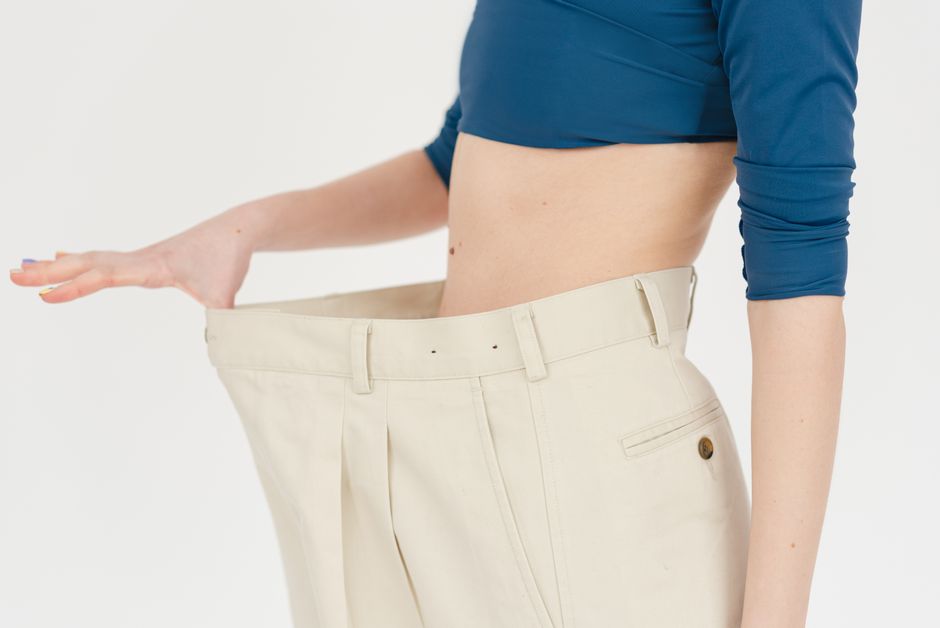
Fat loss happens when your body uses more energy than it takes in, and it draws on stored fat to cover the gap. Your body stores fat in fat cells as triglycerides — a packed form of energy. When energy demand rises, hormones signal those cells to break triglycerides down and release them into the blood. From there, the fat is carried to tissues like muscle, where it is burned for fuel. That is the short version. The details are what make fat loss succeed or stall.
What Causes Fat Loss How Your Body Burns Fat?
Fat loss is caused by a sustained energy deficit. When you take in fewer calories than your body burns, your body makes up the difference by releasing stored fat. This process is controlled by hormones, not willpower.
Two hormones do most of the heavy lifting. Insulin signals the body to store energy. When insulin levels are low, the body is more willing to release fat. Glucagon and other counter-regulatory hormones rise when blood sugar and insulin fall, and they signal fat cells to release their contents.
Once fat is released, it travels to the liver and to working muscles. Inside the cells, structures called mitochondria convert fat into usable energy through a process called beta-oxidation. This is the same pathway your body uses during sleep, between meals, and during long walks. It runs constantly. Fat loss happens when it runs faster than fat storage.
One detail most people miss: fat does not leave the body as heat or energy alone. When fat is fully burned, most of it is exhaled as carbon dioxide. The rest leaves as water. You literally breathe out much of the fat you lose. This is why steady breathing and movement support the process — not because breathing burns fat directly, but because it is the final step.
Does Eating Fewer Calories Always Cause Fat Loss?
In controlled settings, eating fewer calories reliably causes fat loss. In real life, the body pushes back.
When you eat less, your body does not simply burn stored fat at the same rate. It adjusts. Metabolic rate can drop. Hunger hormones like ghrelin rise. Satiety hormones like leptin fall. You may move less without noticing. These changes are real and measurable.
This does not mean calorie deficits fail. It means the body defends its fat stores, and the defense gets stronger the longer you stay in a deficit. This is one reason weight loss often slows over time even when habits stay the same.
Protein and resistance training help protect muscle during a deficit. Muscle burns more energy at rest than fat, so preserving it matters for long-term results. This effect is modest but consistent in the research.
What does not hold up: the idea that eating fewer calories permanently slows your metabolism so much that fat loss becomes impossible. Metabolism does adapt, but it does not stop. Fat loss continues as long as a deficit exists.
What Role Do Hormones Play in Fat Burning?
Hormones decide when fat is stored and when it is released. They do not override the energy balance, but they shape how easy or hard it feels.
Insulin is the main storage hormone. After a meal, insulin rises and tells fat cells to hold on to their contents. Between meals, insulin falls and fat release becomes possible. This cycle happens every day, whether or not you are trying to lose fat.
Cortisol, the stress hormone, also affects fat. Short-term cortisol spikes are normal and not harmful. Chronic high cortisol — from ongoing stress, poor sleep, or illness — is linked to increased appetite and fat storage, especially around the abdomen. The relationship is real but complex, and stress alone does not cause fat gain in the absence of excess calories.
Thyroid hormones set the overall pace of metabolism. Low thyroid function can slow fat loss, but this is a medical condition, not a common cause of stalled diets. If you have unexplained fatigue, cold intolerance, or weight changes, that is worth a doctor’s visit — not a diet tweak.
Sex hormones matter too. Estrogen shifts fat distribution in women, and testosterone influences muscle mass in men. These effects are gradual and tied to life stages, not daily fluctuations.





Why Does Fat Come Off Some Places Faster Than Others?
You cannot choose where fat comes off first. Where you lose fat is largely determined by genetics, sex, and hormones.
Fat cells are not all the same. Some are more responsive to signals that release fat than others. For many men, abdominal fat releases more readily. For many women, hip and thigh fat is more stubborn. These patterns are typical but not universal.
Spot reduction — trying to burn fat in one area through targeted exercise — does not work. Doing crunches strengthens abdominal muscles, but it does not preferentially burn belly fat. The muscles you build may become visible as overall fat drops, but the fat loss itself is systemic.
This is why patience matters. The areas you most want to change may be the last to respond. That is not a sign of failure. It is how the body works.
Does Exercise Burn Fat Directly?
Exercise burns calories, and it can increase fat burning during and after activity. But the effect on total fat loss is smaller than most people expect.
During low- to moderate-intensity exercise, your body draws a higher percentage of its energy from fat. During high-intensity exercise, it draws more from carbohydrates. This difference sounds important, but it does not translate into meaningfully different fat loss when total calories are matched. The body balances fuel use over time.
What exercise does well:
- It increases total energy expenditure, which supports a calorie deficit.
- It builds and preserves muscle, which helps maintain metabolic rate.
- It improves insulin sensitivity, which makes fat release easier.
- It supports heart health, mood, and sleep — all of which affect eating behavior.
Resistance training is especially useful during fat loss because it signals the body to keep muscle. Cardio burns more calories per session, but strength training protects the tissue that keeps you burning calories at rest.
No exercise burns fat in a way that cancels out a large calorie surplus. You cannot out-train a consistently excessive intake.
What Slows Fat Loss Without You Noticing?
Several common factors can stall fat loss even when you think you are doing everything right. Most are easy to miss.
Underestimating intake. People consistently underreport how much they eat. This is not dishonesty — it is how memory and portion judgment work. Drinks, oils, sauces, and bites while cooking add up.
Overestimating activity. Exercise machines and trackers often overstate calories burned. A hard workout may burn less than the number on the screen.
Poor sleep. Short sleep raises hunger hormones and lowers satiety signals. It also reduces willpower. The effect on fat loss is real and well documented.
Liquid calories. Sugary drinks, specialty coffees, and alcohol add energy without making you feel full.
Medical conditions. Untreated thyroid issues, PCOS, and certain medications can make fat loss harder. These are worth discussing with a doctor if progress stalls despite genuine effort.
None of these are moral failures. They are mechanical problems with mechanical solutions.
How Long Does It Take to See Fat Loss?
Fat loss becomes visible at different times for different people. Early changes on the scale often reflect water shifts, not fat. True fat loss takes weeks to show clearly.
A reasonable expectation is gradual change over months, not days. The rate depends on how large the deficit is, how much fat you carry, and how your body responds. Larger deficits produce faster loss but are harder to sustain and increase the risk of muscle loss.
Measurements beyond the scale — waist circumference, how clothes fit, progress photos over time — often tell a clearer story than daily weigh-ins. Weight fluctuates with hydration, salt, hormones, and food in the gut. A single number on a single day means little.
If nothing changes after several weeks of consistent effort, the deficit may not be as large as you think. Adjusting intake, activity, or both usually restarts progress. If it does not, that is a reason to see a doctor, not to try harder.
Frequently Asked Questions
What is the main cause of fat loss?
The main cause is a sustained energy deficit, where your body burns more calories than it takes in and draws on stored fat for fuel. Hormones like insulin and glucagon control when fat is released, but the deficit drives the process.
Does fat leave your body through sweat?
No, sweat is mostly water and does not carry fat out of the body. When fat is fully burned, most of it is exhaled as carbon dioxide, with the rest leaving as water.
Can you target belly fat with exercise?
No, spot reduction does not work. Core exercises strengthen abdominal muscles, but fat loss happens system-wide and where it comes off first is largely determined by genetics and hormones.
Why am I not losing fat even though I eat less?
Common reasons include underreporting calories, overestimating exercise, poor sleep, and liquid calories. If progress stalls despite genuine effort, a medical condition or medication could be involved and is worth discussing with a doctor.
