
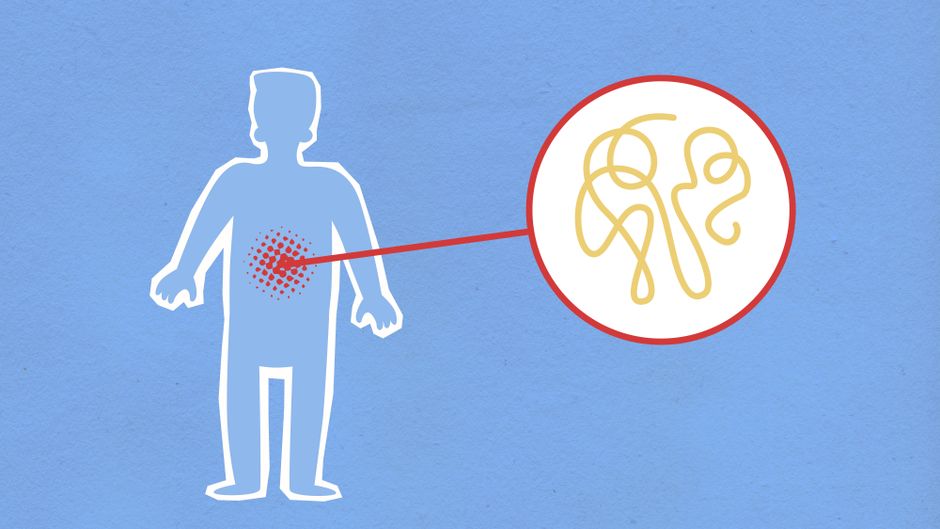
You have probably heard it since you were a kid: swallow a piece of gum and it stays in your stomach for seven years. It is one of the most persistent health myths out there. The short answer is no. Gum does not sit in your stomach for seven years. Your digestive system moves it through just like almost everything else you swallow. The myth has been around for decades, and it is time to put it to rest with what the science actually says.
Where Did the 7 Year Gum Myth Come From?
The exact origin of this myth is hard to pin down. It seems to have spread as a warning from parents to children in the 1970s and 1980s. The idea was likely a scare tactic to stop kids from swallowing gum carelessly. The number seven feels significant and hard to disprove, which made it stick.
Some people believe the myth came from a misunderstanding of how indigestible materials move through the body. Gum base is synthetic and does not break down easily. But that does not mean it stops moving. Your digestive tract is designed to push things along, not store them. The seven-year claim has no basis in any medical literature or study.
What Actually Happens When You Swallow Gum
Your body treats swallowed gum much like it treats other things it cannot fully digest. The gum moves from your mouth into your esophagus and then into your stomach. In the stomach, digestive acids and enzymes work on the sugar, flavorings, and softeners in the gum. The gum base itself is resistant to digestion.
After a short time in the stomach, the gum moves into the small intestine. From there, it passes into the large intestine and exits your body in a bowel movement. This whole process usually takes less than 48 hours. In some cases it might take a few days, but never years. The gum base does not get stuck or accumulate.
Does Gum Sit In Your Stomach The 7 Year Myth Explained by Science
Research shows that the human digestive system is a one-way tube. It does not have a holding area where things sit for years. The stomach empties its contents into the small intestine within a few hours after a meal. Swallowed gum is no exception to this process. It moves along with the rest of the food and liquid you have consumed.
Studies have found that even objects much harder than gum, like coins or small toys, pass through the digestive system in a matter of days. A 1998 study published in the journal Pediatrics looked at children who swallowed various objects. None of them had gum remaining in their digestive tract for more than a few days. The seven-year myth is simply not supported by any clinical evidence.





Is Swallowing Gum Dangerous For Your Health?
Swallowing a single piece of gum is generally not dangerous. Your body will pass it without any issues. The real concern comes from swallowing large amounts of gum at once or swallowing gum along with other indigestible objects. This is rare but can cause a blockage in the digestive tract.
Children who swallow multiple pieces of gum in a short period may be at higher risk. The gum can clump together and form a mass called a bezoar. Symptoms of a blockage include abdominal pain, constipation, and vomiting. If you or your child experiences these symptoms after swallowing gum, you should contact a doctor. But for the average person, an occasional swallowed piece of gum is harmless.
Here is a quick comparison of how the body handles different swallowed items:
| Item Swallowed | Typical Transit Time | Risk Level |
| Gum (single piece) | 24-48 hours | Very low |
| Gum (multiple pieces) | 24-72 hours | Low to moderate |
| Coin | 24-72 hours | Low (if small) |
| Small toy part | 1-7 days | Moderate |
What Happens to Gum Ingredients in Your Body
Gum is made of several components. The sweeteners, flavorings, and softeners are water-soluble. Your stomach acid and digestive enzymes break these down and absorb them into your bloodstream. The gum base is the only part that remains intact. Gum base is made of synthetic polymers, resins, and waxes. These materials are not digestible by human enzymes.
Because the gum base cannot be broken down, it stays in its original form as it travels through your system. But it does not dissolve or get absorbed. It simply passes through. Some people worry that the gum base could stick to the lining of the intestines. There is no evidence for this. The intestinal lining is coated with mucus, which prevents things from sticking. The gum base slides along and exits the body.
Common Misconceptions About Gum and Digestion
There are several related myths that people often believe alongside the seven-year claim. One is that gum can wrap around your heart or lungs. This is not possible. Gum goes into your digestive tract, not your respiratory system. If you accidentally inhale gum into your windpipe, that is a choking hazard, but it does not wrap around anything internally.
Another misconception is that gum can cause appendicitis. Some people report this, but strong evidence is limited. The appendix is a small pouch attached to the large intestine. It is possible for a piece of gum to get stuck there, but it is extremely rare. The vast majority of appendicitis cases are caused by stool or infection, not gum. Swallowing gum is not a known risk factor for appendicitis.
Here are a few key facts to remember about gum and digestion:
- Gum does not stay in your stomach for seven years. It passes in under a week.
- The gum base is indigestible but still moves through the digestive tract.
- Swallowing one piece of gum is not harmful for most people.
- Swallowing many pieces at once can cause a blockage in rare cases.
- If you have symptoms like pain or vomiting after swallowing gum, see a doctor.
What To Do If You or Your Child Swallows Gum
If you swallow a piece of gum, the best thing to do is nothing. It will pass on its own. You do not need to drink anything special or eat anything to help it along. Your body handles it naturally. If your child swallows gum, stay calm. Explain that it will come out in their stool in a day or two.
If your child swallows multiple pieces of gum in a short time, watch for signs of discomfort. These include stomach pain, bloating, or trouble having a bowel movement. If any of these symptoms appear, contact your pediatrician. For the vast majority of cases, no medical treatment is needed. The myth of the seven-year gum is just that — a myth.
Frequently Asked Questions
Does gum actually stay in your stomach for 7 years?
No, gum does not stay in your stomach for seven years. It passes through your digestive system and exits in a bowel movement within a few days.
What happens if a child swallows gum?
A child who swallows one piece of gum will pass it normally within 24 to 48 hours. If they swallow many pieces at once, watch for stomach pain or constipation.
Can swallowed gum cause a blockage in your intestines?
It is very rare but possible if a person swallows a large amount of gum at once. A single piece will not cause a blockage in a healthy person.
Is it true that gum can get stuck in your appendix?
This is extremely rare. There is no strong evidence that swallowing gum increases your risk of appendicitis.
