
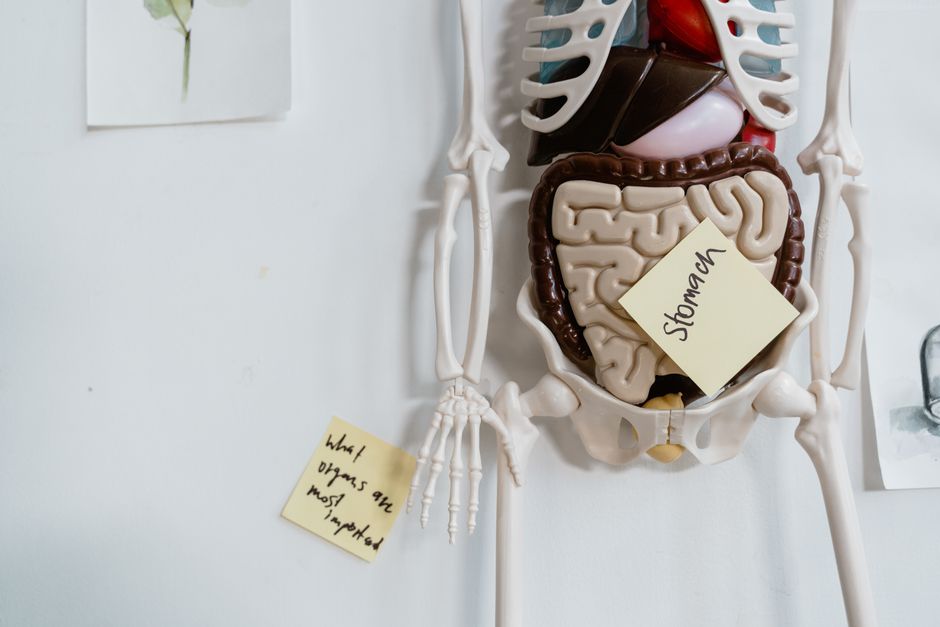
IBD (Inflammatory Bowel Disease) and IBS (Irritable Bowel Syndrome) are two different conditions that affect the digestive system, but they are often confused. IBD is a chronic disease involving inflammation of the digestive tract, while IBS is a functional disorder with no visible inflammation. The key difference is that IBD causes physical damage to the intestines, and IBS does not. Understanding this distinction is critical for getting the right treatment and avoiding harmful mistakes.
What Is the Main Difference Between IBD and IBS?
The simplest way to separate IBD from IBS is to look for inflammation. IBD always involves inflammation that doctors can see on a colonoscopy or biopsy. This inflammation damages the lining of the intestines over time. In IBS, the gut looks normal during testing. There is no visible damage or inflammation.
IBD includes two main diseases: Crohn’s disease and ulcerative colitis. Both cause ulcers, bleeding, and tissue damage. IBS is a syndrome that affects how the bowel functions. It causes cramping, bloating, and changes in bowel habits, but it does not harm the tissue itself.
Research published in the journal Gastroenterology confirms that about 10 to 15 percent of people diagnosed with IBS actually have mild IBD. This is why accurate testing matters. A simple blood test for inflammation markers can help tell them apart.
What Are the Symptoms of IBD and How Do They Differ From IBS?
Symptoms can overlap, which is where the confusion starts. Both conditions can cause abdominal pain, diarrhea, and urgency. But IBD has additional signs that IBS does not.
- IBD symptoms: Blood in stool, weight loss, fever, fatigue, joint pain, and anemia. These are signs of inflammation affecting the whole body.
- IBS symptoms: Cramping, bloating, gas, mucus in stool, and a feeling of incomplete emptying. No blood, no fever, no weight loss.
The presence of blood in the stool is a major red flag. If you see blood, it is not IBS. The American College of Gastroenterology states that rectal bleeding is not a feature of IBS. If you have it, you need further testing for IBD.
Fatigue is also different. People with IBD often feel exhausted because their body is fighting chronic inflammation. IBS fatigue is usually linked to poor sleep or stress, not an immune response.
How Are IBD and IBS Diagnosed?
Doctors use different tools for each condition. There is no single test that can confirm IBS. It is a diagnosis of exclusion, meaning doctors rule out other conditions first.
For IBD, the diagnosis is more direct. A colonoscopy with biopsy is the gold standard. The doctor looks at the lining of your colon and takes small tissue samples. If inflammation or ulceration is found, you have IBD. Blood tests for C-reactive protein and fecal calprotectin can also indicate inflammation.
IBS is diagnosed using the Rome IV criteria. These include recurrent abdominal pain at least one day per week in the last three months, related to bowel movements or changes in stool frequency. No abnormal test results are needed for an IBS diagnosis.
One important point: some people have both conditions. Studies suggest that 30 to 50 percent of people with IBD also meet the criteria for IBS. This is called IBS-like symptoms in IBD. It makes treatment more complex.
| Feature | IBD | IBS |
|---|---|---|
| Visible inflammation | Yes | No |
| Blood in stool | Common | Never |
| Weight loss | Common | Rare |
| Fever | Possible | No |
| Diagnostic test | Colonoscopy | Symptom criteria |
| Damage to gut tissue | Yes | No |





What Causes IBD and IBS?
The causes are different, though both involve the gut. IBD is an autoimmune condition. The immune system attacks the digestive tract for reasons that are not fully understood. Genetics play a role. The Crohn’s and Colitis Foundation reports that about 20 percent of people with IBD have a family member with the disease.
Environmental triggers can also activate IBD. These include smoking, certain medications like NSAIDs, and possibly infections. Smoking is especially dangerous for Crohn’s disease. It makes symptoms worse and increases the risk of surgery.
IBS is not autoimmune. It is a disorder of the gut-brain axis. This means the communication between your brain and your digestive system is disrupted. Stress, anxiety, and diet are common triggers. Some people develop IBS after a severe infection, known as post-infectious IBS.
Evidence indicates that gut bacteria play a role in both conditions. The gut microbiome in people with IBD is less diverse. In IBS, certain bacterial patterns are linked to gas production and bloating. But the research is still early. No one has found a single bacterial cause for either condition.
What Is Idb Medical Ibd Vs Ibs Explained: How Treatment Differs
Treatment for IBD focuses on controlling inflammation. This usually involves medications like aminosalicylates, immunomodulators, and biologics. These drugs suppress the immune system to stop it from attacking the gut. In severe cases, surgery to remove damaged portions of the intestine is needed.
IBS treatment is completely different. It aims to manage symptoms, not inflammation. Common approaches include dietary changes, stress management, and medications that affect gut motility. The low FODMAP diet is one of the most researched dietary strategies for IBS. Studies show it reduces symptoms in about 50 to 80 percent of people.
Fiber supplements, antispasmodics, and certain antidepressants in low doses can also help with IBS. The goal is to normalize bowel function and reduce pain. No surgery is ever needed for IBS alone.
One non-obvious insight: some treatments for IBD can actually make IBS worse. For example, steroids used for IBD can cause bloating and mood changes that worsen IBS symptoms. This is why getting the right diagnosis is essential.
Common Misconceptions About IBD and IBS
A major myth is that IBS can turn into IBD. This is false. They are separate conditions. IBS does not progress into IBD. However, someone with mild IBD might be misdiagnosed with IBS for years before proper testing reveals the inflammation.
Another myth is that diet alone can cure IBD. Diet can help manage symptoms, but it cannot stop the immune attack. The Crohn’s and Colitis Foundation states that no specific diet has been proven to induce remission in IBD. Some diets like exclusive enteral nutrition work in children, but adults rarely achieve full remission with diet alone.
Some people believe that stress causes IBD. Stress can trigger flares, but it does not cause the disease. IBD is an autoimmune condition that exists regardless of stress levels. Stress management is helpful but not a cure.
For IBS, a common misconception is that it is all in your head. It is not. IBS is a real physiological condition with measurable changes in gut sensitivity and motility. The gut-brain axis is a two-way street. Your brain affects your gut, and your gut affects your brain.
Frequently Asked Questions
Can IBS turn into IBD over time?
No. IBS does not turn into IBD. They are separate conditions with different causes. However, mild IBD can be misdiagnosed as IBS.
Do I need a colonoscopy to tell the difference?
Yes, a colonoscopy with biopsy is the only way to confirm IBD. IBS is diagnosed based on symptoms after other conditions are ruled out.
Can you have both IBD and IBS at the same time?
Yes. About 30 to 50 percent of people with IBD also have IBS-like symptoms. This makes treatment more complex and requires careful management.
Is there a blood test for IBD or IBS?
Blood tests for inflammation markers like C-reactive protein can suggest IBD but cannot confirm it. There is no blood test for IBS. Diagnosis requires symptom evaluation and exclusion of other conditions.
