
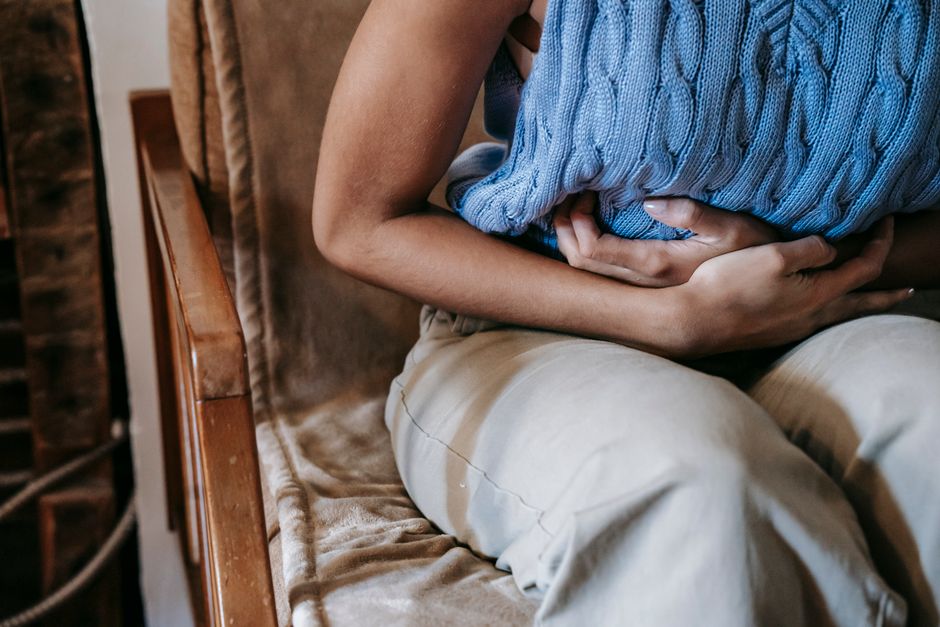
Bloating happens when gas or fluid builds up in your digestive tract, making your stomach feel tight, full, or swollen. The sensation is real — your abdominal wall expands as pressure increases inside your intestines. Most people experience bloating from time to time, and the causes range from normal digestion to underlying medical conditions.
What is bloating and what causes it?
Bloating is the feeling of increased pressure in your abdomen. It often comes with visible swelling called distension. The main drivers are gas produced during digestion, retained water, or slow movement of contents through your gut.
When you eat, your stomach and small intestine break down food. Bacteria in your large intestine ferment undigested carbohydrates. This fermentation releases hydrogen, methane, and carbon dioxide. If gas builds up faster than you can pass it, pressure rises and you feel bloated.
Muscle tone in your abdominal wall also matters. Some people’s muscles relax too much in response to gas, allowing the belly to push outward. Others feel bloated without visible distension because their muscles stay tight.
Why does your stomach feel bloated after eating?
This is one of the most common questions people ask. The answer involves several factors that often work together.
First, you swallow air while eating and drinking. This is called aerophagia. If you eat quickly, chew gum, or drink carbonated beverages, you trap more air in your stomach. That air travels into your small intestine and can cause bloating soon after a meal.
Second, certain foods are harder to digest. Beans, lentils, broccoli, cabbage, onions, and whole grains contain complex carbohydrates called oligosaccharides, fructans, and galactans. Humans lack the enzymes to break these down in the small intestine. They travel to the large intestine where bacteria ferment them, producing gas.
Third, you may have a mild intolerance to lactose or gluten. Even without a diagnosis of celiac disease or lactose intolerance, some people have reduced enzyme activity that leads to gas and bloating after dairy or wheat.
A fourth cause is the rate at which your stomach empties. Fatty meals can slow stomach emptying, keeping food and gas in your stomach longer. That can produce a bloated feeling before the food even reaches your intestines.
How does the microbiome contribute to bloating?
The trillions of bacteria living in your colon play a central role in bloating. They break down what your body cannot digest. In the process, they produce gas.
Everyone’s microbiome is different. The types and amounts of bacteria you carry affect how much gas you produce and what kind. Some bacteria produce mostly hydrogen, others produce methane. Methane slows gut transit, which can worsen bloating.
A condition called small intestinal bacterial overgrowth, or SIBO, can also cause bloating. In SIBO, bacteria that normally live in the colon grow in the small intestine instead. They start fermenting food too early in the digestive process, producing gas in a place where it builds up quickly. SIBO is diagnosed with a breath test and is more common in people with certain health conditions, not in the general population.
If you have persistent bloating that does not improve with diet changes, SIBO might be worth discussing with a doctor. But most bloating from the microbiome is just the normal result of fermentation happening in the right place at the right time.




Can water retention cause bloating?
Yes. Fluid buildup in the abdomen or throughout the body can create a bloated feeling. This is different from gas bloating, which is more about pressure and passing gas. Water retention bloating feels heavier and may also cause swelling in your hands, feet, or face.
High sodium intake is a common trigger. Salt makes your body hold onto water to maintain a balance of electrolytes. Eating a salty meal can lead to visible bloating within hours, especially if you do not drink enough water alongside it.
Hormonal changes also affect fluid balance. Many women experience bloating around their menstrual cycle due to changes in estrogen and progesterone. This type of bloating usually resolves on its own within a few days.
Other causes of water retention include eating too many processed foods, not getting enough potassium, and certain medications like NSAIDs or steroids. Chronic fluid retention in the abdomen — called ascites — is a sign of a more serious condition such as liver or heart disease and requires medical evaluation.
When is bloating a sign of something serious?
Occasional bloating is normal. But certain patterns and symptoms mean you should see a doctor.
Seek medical attention if bloating is accompanied by:
- Unexplained weight loss
- Blood in your stool
- Persistent diarrhea or constipation
- Severe abdominal pain that does not go away
- Bloating that gets progressively worse over weeks
- Vomiting
- Fever
These could point to conditions like inflammatory bowel disease, celiac disease, ovarian cancer, or other gastrointestinal disorders. Bloating alone is rarely a sign of cancer, but when combined with other red flags it warrants investigation.
Irritable bowel syndrome, or IBS, is one of the most common causes of chronic bloating. Bloating is a defining symptom of IBS, along with abdominal pain and changes in bowel habits. IBS is a functional disorder — meaning the gut looks normal on tests but does not work normally. It is not dangerous, but it can significantly affect quality of life.
What actually helps reduce bloating?
Evidence-based approaches target the underlying cause. Not every remedy works for everyone, but some have solid support.
Peppermint oil. Several studies have found that enteric-coated peppermint oil capsules can reduce bloating and abdominal pain in people with IBS. The menthol relaxes intestinal muscles and helps gas pass more easily. It may not help as much for bloating caused by water retention.
Walking after a meal. Gentle movement helps stimulate digestion and encourages the movement of gas through your intestines. A 10- to 15-minute walk after eating can reduce bloating for many people.
A low FODMAP diet. If you have IBS or consistent sensitivity to certain carbs, a low FODMAP diet — under the guidance of a dietitian — can identify your trigger foods. FODMAPs are the types of carbohydrates most likely to be fermented and cause gas. This diet is not meant for long-term use; it is a short elimination phase followed by reintroduction.
Reducing swallowed air. Eat slowly, avoid carbonated drinks, and do not chew gum. These simple changes can reduce the amount of air in your digestive tract.
Limiting salt. Cutting back on processed and restaurant foods can help if your bloating is related to fluid retention.
Some over-the-counter products claim to reduce bloating. Simethicone (Gas-X) helps break up gas bubbles in the stomach, but evidence for its effect on overall bloating is mixed. Activated charcoal has not been shown to be effective in well-designed studies. Probiotics are sometimes helpful for specific strains, but the research is not clear enough to recommend them broadly for bloating.
Can you prevent bloating?
Prevention is about understanding your own triggers. If you bloat after high-fiber meals, increase fiber gradually to let your microbiome adjust. If dairy causes problems, try lactose-free alternatives. If you bloat after carbonated drinks, switch to still water. If stress seems to trigger bloating — and it can, because the brain and gut are closely connected — relaxation techniques or mindful eating may help.
There is no single diet or supplement that prevents all bloating. The most reliable approach is to keep a food and symptom diary for a week or two. Write down what you ate, when the bloating started, and what made it better. That record can help you identify patterns that no general advice can replace.
Frequently Asked Questions
Why do I feel bloated every day?
Daily bloating suggests a chronic trigger, not a one-time event. Common causes include a diet high in fermentable carbohydrates, undiagnosed irritable bowel syndrome, or a condition like small intestinal bacterial overgrowth that requires medical testing.
Is bloating after eating normal?
Yes, mild bloating after a large meal is normal and temporary. If the bloating is severe, painful, or happens after almost every meal regardless of portion size, it may indicate a food intolerance or digestive disorder worth discussing with a doctor.
Does drinking more water help bloating?
Drinking water helps if your bloating is caused by constipation or high sodium intake because water supports regular bowel movements and helps flush excess salt. It will not reduce bloating caused by gas from fermentation.
Can probiotics help with bloating?
Some studies suggest certain strains like Bifidobacterium infantis may reduce bloating in people with IBS, but evidence is inconsistent. Probiotics do not work for everyone, and the right strain matters. Without knowing which bacteria your gut needs, it is hard to predict benefit.
