
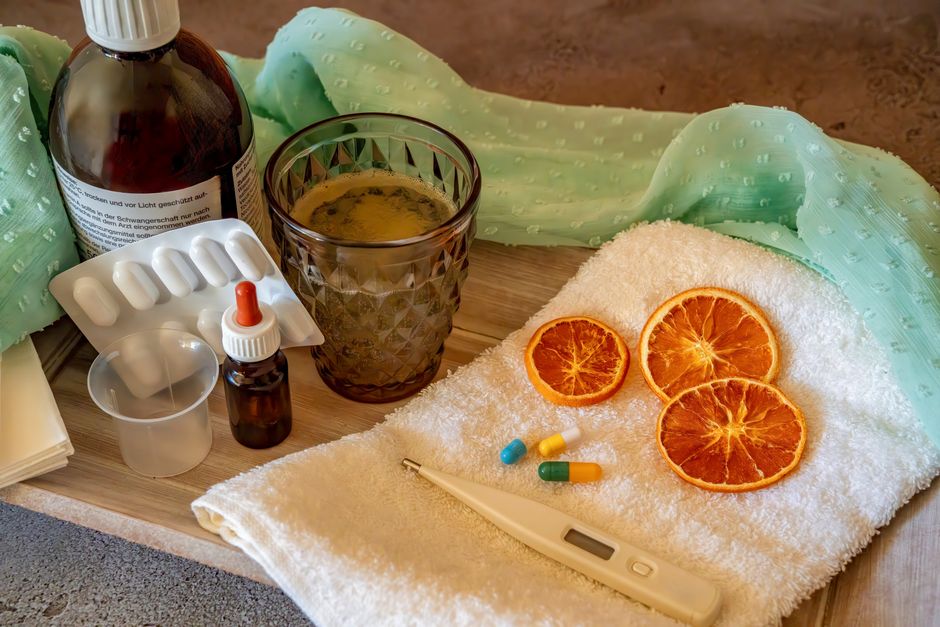
If you have a sore throat, you may have heard that ginger ale can soothe the pain. The truth is that ginger ale is not an effective treatment for a sore throat, and most commercial brands contain little to no real ginger. While the ginger plant does have compounds that may reduce inflammation, the carbonated, sugary soda you buy at the store is unlikely to provide any real medicinal benefit and may actually irritate your throat further.
What Is Actually in Commercial Ginger Ale?
Most ginger ale sold in stores is not made from real ginger root. It is a carbonated soft drink flavored with artificial ingredients and high fructose corn syrup or sugar. Some premium brands do use real ginger, but the amount is usually small.
Studies on ginger as a medicinal herb use concentrated extracts or fresh root. That is very different from sipping a can of soda. The actual ginger content in a typical commercial ginger ale is often negligible. You would need to drink an unrealistic amount to get any meaningful dose of ginger compounds.
This matters because the sugar and carbonation in ginger ale can work against you. Sugar can promote inflammation in some people, and carbonation can cause belching and acid reflux. Both of those can make throat pain worse, not better.
Does Ginger Itself Help a Sore Throat?
Real ginger has properties that could theoretically help with throat discomfort. Ginger contains bioactive compounds like gingerol and shogaol. Research shows these compounds have anti-inflammatory and antioxidant effects. Some studies suggest ginger may help with pain and inflammation in general.
However, there is very little direct clinical evidence that ginger specifically relieves a sore throat. Most of the research on ginger has focused on nausea, muscle pain, and osteoarthritis. The evidence for sore throat relief is mostly based on traditional use and biological reasoning, not large human trials.
That does not mean ginger is useless. Ginger tea made from fresh ginger root is a warm, soothing drink. The warmth alone can feel good on a sore throat. The anti-inflammatory compounds may offer some benefit. But this is not the same as drinking ginger ale.
The Problem with Carbonation and Sugar
Carbonated drinks can irritate an already inflamed throat. The bubbles create a mild acidic environment in your mouth and throat. For someone with a raw, painful throat, that can sting.
Carbonation also causes gas in your stomach. That can lead to burping, which brings stomach acid up into your throat. Acid reflux is a common cause of throat irritation. If you are already dealing with a sore throat, adding acid reflux on top of it is not helpful.
Sugar is another concern. High sugar intake can suppress immune function temporarily, although the effect is modest and short-lived. More importantly, sugar does nothing to reduce inflammation. It adds empty calories without any benefit for your throat.





What Actually Works for a Sore Throat?
If ginger ale is not the answer, what is? The good news is that several simple, well-tested remedies can genuinely help a sore throat.
Salt water gargle is one of the most effective home remedies. Mix about half a teaspoon of salt into a glass of warm water and gargle. The salt draws fluid out of swollen throat tissues and can help reduce inflammation. It also helps wash away irritants. Gargling several times a day is safe for most people.
Warm liquids like tea with honey are soothing. Honey has antimicrobial properties and can coat the throat. A spoonful of honey on its own can also help. Do not give honey to children under one year old due to the risk of infant botulism.
Over-the-counter pain relievers like acetaminophen or ibuprofen can reduce throat pain and inflammation. Follow the dosing instructions on the package. These are generally safe for most adults when used as directed.
Lozenges and hard candies increase saliva production, which keeps the throat moist. Some lozenges contain numbing agents like benzocaine or menthol. These can provide temporary relief but do not treat the underlying cause.
Humidifiers add moisture to the air, which can help if dry air is irritating your throat. Drinking plenty of water throughout the day also keeps your throat lubricated.
When a Sore Throat Needs Medical Attention
Most sore throats are caused by viruses and resolve on their own within a week. But some require medical care.
See a doctor if you have a sore throat with a fever above 101°F, swollen lymph nodes, or white patches on your tonsils. These can be signs of strep throat, which is a bacterial infection that requires antibiotics. Strep throat does not get better on its own and can lead to complications if untreated.
Seek emergency care if you have difficulty breathing, difficulty swallowing saliva, or drooling. These can be signs of a more serious condition like epiglottitis or a peritonsillar abscess. These are rare but serious.
A sore throat that lasts more than a week without improvement also warrants a medical evaluation. Persistent throat pain can sometimes indicate other conditions that need investigation.
Is There Any Situation Where Ginger Ale Makes Sense?
If you enjoy ginger ale and it does not make your throat feel worse, drinking it is not dangerous. The main concern is the sugar and carbonation. If you are going to drink it, choose a brand made with real ginger and drink it flat, meaning let the carbonation dissipate first.
Some people find that any cold, sweet liquid feels soothing on a sore throat. There is no harm in that if it helps you stay hydrated. But do not expect ginger ale to speed up your recovery. It is not a treatment. It is just a beverage.
If you want the potential benefits of ginger, make ginger tea from fresh ginger root instead. Slice a few pieces of fresh ginger, steep them in hot water for 10 minutes, and add honey and lemon if you like. This gives you real ginger compounds without the sugar and carbonation. It also provides warm, soothing hydration.
Does Ginger Ale Help A Sore Throat The Truth? Science Says
The truth is that ginger ale does not help a sore throat in any meaningful way. Science says the active compounds in ginger may have anti-inflammatory properties, but commercial ginger ale does not contain enough real ginger to matter. The sugar and carbonation can actually make throat irritation worse.
If you have a sore throat, skip the soda. Reach for warm tea with honey, a salt water gargle, or an over-the-counter pain reliever. These are simple, inexpensive, and backed by evidence. Ginger ale might taste good, but it is not medicine.
Frequently Asked Questions
Can ginger ale soothe a sore throat?
No, ginger ale does not soothe a sore throat effectively. Commercial ginger ale contains very little real ginger, and the carbonation and sugar can actually irritate an inflamed throat.
Is ginger good for a sore throat?
Real ginger has anti-inflammatory compounds that may help, but direct clinical evidence for sore throat relief is limited. Ginger tea made from fresh root is a better option than ginger ale.
What is the fastest way to relieve a sore throat?
A salt water gargle and over-the-counter pain relievers like acetaminophen or ibuprofen provide the fastest relief. Warm tea with honey also helps soothe throat pain.
When should I see a doctor for a sore throat?
See a doctor if you have a fever above 101°F, swollen lymph nodes, white patches on your tonsils, or a sore throat lasting more than a week. Seek emergency care if you have trouble breathing or swallowing.
