
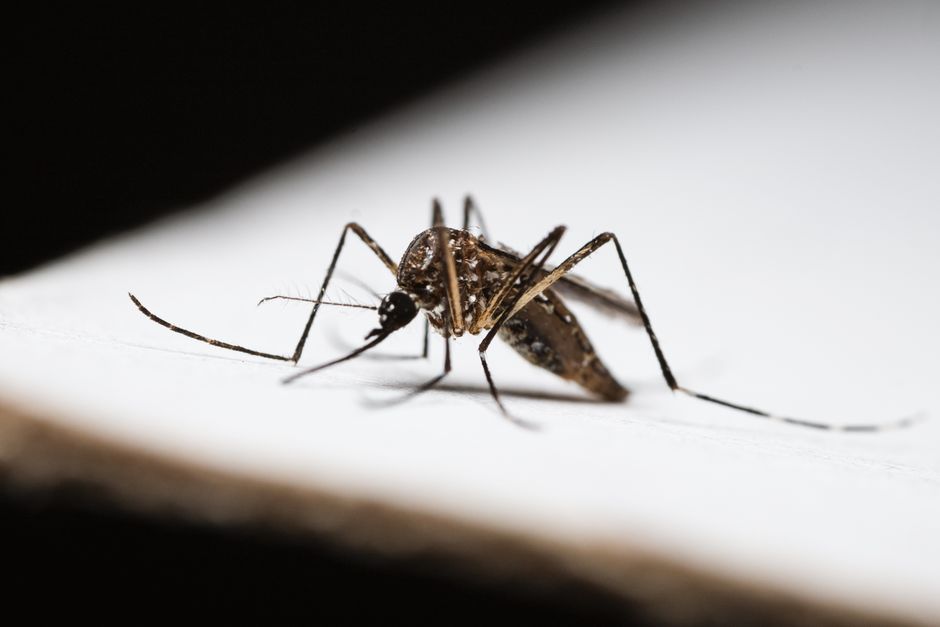
That swollen, itchy welt on your arm is not the mosquito’s bite. It is your own immune system’s reaction to proteins in the mosquito’s saliva, and the size of the reaction depends on how sensitized your body has become to those proteins. Some people barely notice a bite, while others develop large, red, hardened welts that last for days. The difference is mostly about immune history, not about how “bad” the mosquito was.
Why Are Your Mosquito Bites So Big?
When a female mosquito bites, she injects saliva into your skin. That saliva contains proteins that keep your blood flowing and stop it from clotting while she feeds. Your body recognizes those proteins as foreign and launches an immune response against them.
That immune response is what you see and feel. Immune cells called mast cells release histamine and other chemical signals. Histamine makes blood vessels widen and become leaky, which causes redness, swelling, warmth, and itching. The more sensitized your immune system is to mosquito saliva, the stronger that reaction tends to be.
A large local reaction is a sign of an active immune response, not a sign of infection or a dangerous bite. The swelling you see is fluid and immune cells gathering in the tissue. It is sometimes called a “skeeter syndrome” when the reaction is especially pronounced, though that term is used loosely and is not a formal diagnosis.
Why Do Mosquito Bites Affect People Differently?
Two people can be bitten by the same mosquito and have completely different reactions. The main reason is immune history.
When you are first exposed to mosquito saliva, your body may not react much at all. Over time, with repeated bites, the immune system becomes sensitized to those saliva proteins. This is why young children often have larger reactions than adults who have been bitten for years. Adults who move to a new region with different mosquito species can suddenly develop bigger reactions, because their immune system is meeting unfamiliar saliva proteins for the first time.
Some people also seem to develop tolerance. After years of frequent exposure, some adults notice their bites cause less swelling and itching than they used to. This is not universal, and researchers do not fully understand why some people lose sensitivity while others stay reactive.
Other factors that can influence bite size include:
- Individual immune variability — some immune systems simply respond more aggressively to the same trigger
- Skin thickness and location — bites on thin skin, like the eyelids or ankles, can swell more visibly
- Scratching — this worsens swelling and can introduce bacteria that cause secondary infection
- Certain medications — antihistamines and corticosteroids can reduce the reaction, while some other drugs may not
It is also worth noting that not everyone reacts to mosquito bites at all. Some people have a naturally muted immune response to saliva proteins and may get bitten without developing a visible welt.
What Makes Some Mosquito Bites Larger Than Others?
The mosquito itself matters, but not in the way most people assume. It is not about the size of the mosquito or how “mean” it seems. It is about the species and the specific proteins in its saliva.
Different mosquito species carry different saliva proteins. If you are sensitized to one species and get bitten by another, your reaction may be smaller or larger depending on how similar those proteins are to ones your immune system already recognizes.
The number of bites also matters. A single bite triggers a localized reaction. Multiple bites in the same area can cause more widespread swelling because the immune response compounds.
Time of day and season can play a role too. Some species are more active at dawn and dusk, others during the day. Knowing which mosquitoes are active in your area can help you avoid the ones most likely to trigger your immune system.




Are Large Mosquito Bites Dangerous?
For most people, a large mosquito bite is uncomfortable but not dangerous. The swelling and itching are signs of a normal immune response, even when the reaction looks dramatic.
There are exceptions. A very small number of people have a true allergy to mosquito saliva proteins that can cause a systemic reaction. Signs of a serious reaction include hives spreading beyond the bite site, swelling of the lips or throat, difficulty breathing, or dizziness. These symptoms require immediate medical attention.
More commonly, large bites become a problem when they are scratched open. Broken skin can become infected with bacteria, leading to cellulitis. Signs of infection include increasing redness, warmth, pain, pus, or fever. If a bite looks infected, it needs medical evaluation.
In rare cases, mosquito bites can transmit diseases. In the United States, mosquitoes can carry West Nile virus and other pathogens, though most bites do not result in illness. The size of the bite does not indicate whether a disease was transmitted. Disease transmission and bite size are separate issues.
How Can You Reduce Swelling and Itching From Mosquito Bites?
The goal is to calm the immune response and avoid making it worse. Scratching does the opposite — it further irritates the skin and can trigger more histamine release.
Practical steps that may help:
- Wash the bite with soap and water soon after you notice it
- Apply a cold pack or cool cloth to reduce swelling and numb the itch
- Use an over-the-counter hydrocortisone cream or oral antihistamine if needed
- Keep the area clean and covered to prevent scratching
- Avoid topical products that contain numbing agents if you have sensitive skin
Oral antihistamines work best when taken early, before the reaction fully develops. They are more effective for itching than for swelling. Hydrocortisone cream can reduce local inflammation but should not be used on large areas or for extended periods without medical advice.
Some people find that oatmeal baths or calamine lotion soothe the itch. These are widely used but have limited clinical evidence for mosquito bites specifically. They are unlikely to cause harm.
How Can You Prevent Mosquito Bites in the First Place?
Prevention is more effective than treatment. The Centers for Disease Control and Prevention recommends using EPA-registered insect repellents, which have been evaluated for safety and effectiveness.
Products containing DEET, picaridin, IR3535, or oil of lemon eucalyptus are among those registered with the EPA. Concentration affects how long protection lasts, not how well it works. Higher concentrations last longer but do not provide stronger protection.
Other measures that can reduce bites:
- Wear long sleeves and pants when outdoors, especially at dawn and dusk
- Use screens on windows and doors, and repair any holes
- Empty standing water around your home — mosquito larvae need water to develop
- Treat clothing and gear with permethrin if you are in an area with high mosquito activity
No method is perfect. Mosquitoes can bite through thin clothing, and repellents need to be reapplied according to label directions. Combining methods works better than relying on any single approach.
Do Some People Attract Mosquitoes More Than Others?
Yes. Mosquitoes use a combination of cues to find hosts, including carbon dioxide, body heat, and chemical compounds in sweat and skin. People who produce more carbon dioxide — larger individuals and those who are physically active — may attract more mosquitoes.
Body odor also plays a role. Lactic acid, uric acid, and ammonia in sweat can attract mosquitoes. This is one reason why bites often cluster around ankles and feet, where sweat and bacteria accumulate.
Blood type may matter too. Some studies suggest that people with type O blood are bitten more often than those with type A, though the evidence is not entirely consistent. Alcohol consumption has also been linked to increased mosquito attraction in some research.
What does not appear to matter much is what you eat. The idea that certain foods make you more attractive to mosquitoes is not well supported by evidence.
When Should You See a Doctor About a Mosquito Bite?
Most mosquito bites do not require medical attention. You should see a doctor if:
- The bite becomes increasingly red, warm, or painful
- You develop a fever, chills, or body aches after being bitten
- Swelling spreads significantly beyond the bite area
- You have hives or swelling away from the bite site
- You have difficulty breathing or swelling of the lips, tongue, or throat
These signs could indicate infection or a systemic allergic reaction, both of which need prompt evaluation. If you have a known immune condition or take immunosuppressive medications, check with your doctor about any bite that looks unusual.
Frequently Asked Questions
Why do my mosquito bites get so big and swollen?
Your immune system is reacting to proteins in the mosquito’s saliva. The swelling is caused by histamine and other immune signals that make blood vessels leak fluid into the tissue.
Are big mosquito bites a sign of an allergy?
Not usually. A large local reaction is a normal immune response, not a true allergy. A true allergy would involve symptoms beyond the bite site, such as hives or breathing difficulty.
Why do mosquito bites itch more at night?
Itching may feel worse at night because you are less distracted and your body’s cortisol levels are lower in the evening. Cortisol helps suppress inflammation, so lower levels can make itching more noticeable.
Can mosquito bites get bigger over time?
They can if your immune system becomes more sensitized to mosquito saliva proteins. However, many people eventually develop tolerance and notice smaller reactions after years of repeated exposure.
