
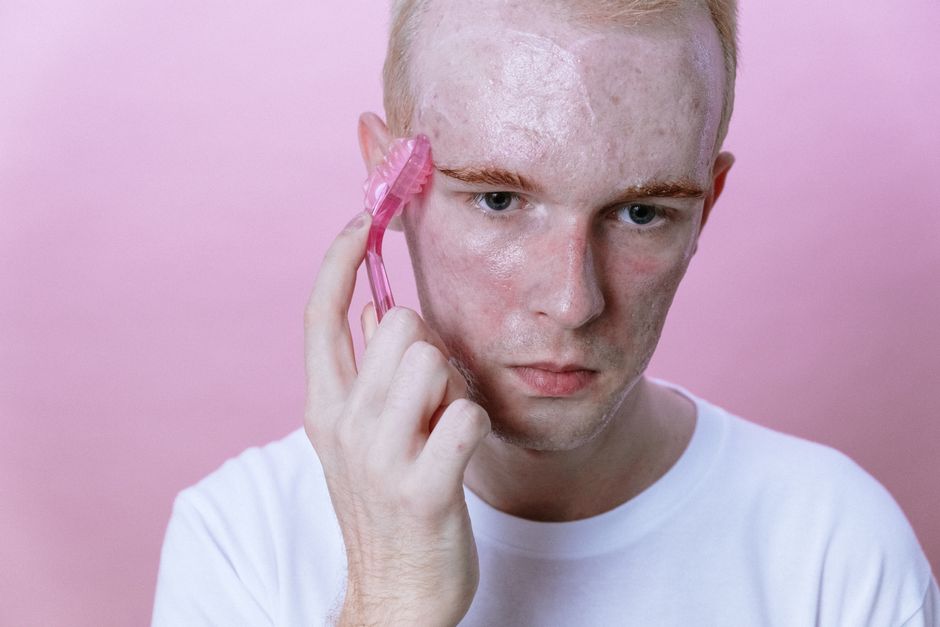
Fungal acne is not acne at all. It is a condition called pityrosporum folliculitis or Malassezia folliculitis, caused by an overgrowth of yeast that naturally lives on human skin. What makes it worse is anything that feeds that yeast or traps it inside hair follicles: sweat, heavy oils, occlusive skincare, and antibiotics that wipe out the bacteria normally keeping the yeast in check. What actually helps is treating it as a fungal problem, not a bacterial one.
That distinction matters because the usual acne treatments often make fungal acne worse. Benzoyl peroxide, standard antibiotic creams, and many rich moisturizers can feed the yeast or disrupt the skin barrier further. Antifungal ingredients and a simpler routine are what most people need.
What Is Fungal Acne and How Is It Different From Regular Acne?
Fungal acne is a misnomer. The bumps are not pimples in the usual sense, and they are not caused by the bacterium Cutibacterium acnes that drives typical acne. They come from Malassezia, a genus of yeast that lives on nearly everyone’s skin.
In normal amounts, this yeast is harmless. Problems start when it multiplies inside hair follicles, triggering inflammation. The result is small, itchy bumps that cluster on the chest, back, shoulders, and sometimes the forehead.
How the two conditions differ
Regular acne and fungal acne can look similar at a glance, but several features set them apart.
- Itch: Fungal acne is often itchy. Regular acne usually is not.
- Location: Fungal acne favors the chest, back, and shoulders. Regular acne shows up more on the face, especially the jawline and cheeks.
- Bump type: Fungal acne produces uniform small bumps. Regular acne includes blackheads, whiteheads, and larger inflamed cysts.
- Response to treatment: Fungal acne does not improve with standard acne medications and may worsen.
This overlap is why diagnosis can be tricky. A dermatologist can confirm the cause by examining a skin sample under a microscope, though in practice many cases are identified by pattern and by how they respond to treatment.
What Makes Fungal Acne Worse?
The yeast that causes fungal acne thrives in warm, moist, oily conditions. Anything that creates that environment or disrupts the skin’s normal defenses can make the condition worse.
Sweat and heat
Exercise, humid weather, and tight clothing all increase sweat and trap moisture against the skin. Yeast multiplies faster in this environment. People who work out frequently or live in hot climates often notice flare-ups following heavy sweating.
Occlusive skincare and body products
Heavy creams, thick body butters, and oil-based products can block hair follicles and give yeast a food source. Many plant oils and fatty acids used in cosmetics serve as nutrients for Malassezia. This is why some moisturizers and sunscreens seem to trigger new bumps.
This does not mean all oils are problematic for everyone. But for someone prone to fungal acne, occlusive and oil-rich products are a common aggravating factor.
Antibiotics
Oral and topical antibiotics kill bacteria, including the beneficial bacteria that normally keep yeast in check. When that balance shifts, yeast can overgrow. This is a well-established effect, and it helps explain why some people develop fungal acne after a course of antibiotics for an unrelated infection.
Immune suppression
Conditions or medications that suppress the immune system can reduce the skin’s ability to keep yeast in check. Diabetes and other metabolic conditions may also play a role, though the relationship is not fully understood.
Standard acne treatments
This is the frustrating part. Benzoyl peroxide, salicylic acid, and antibiotic creams target bacteria, not yeast. They can dry out or irritate the skin without addressing the actual cause. Some people see temporary improvement from reduced oil, then a rebound.
What Actually Helps Fungal Acne?
Effective treatment targets the yeast directly. The approach usually combines antifungal ingredients with changes to the products and habits that feed the overgrowth.
Antifungal ingredients
Several over-the-counter antifungals are commonly used for this condition. These include ketoconazole, selenium sulfide, zinc pyrithione, and clotrimazole. Some are available as shampoos, which are often applied to the chest and back as body washes.
Ketoconazole is among the most studied. Research has found it effective for Malassezia folliculitis when used consistently. Selenium sulfide and zinc pyrithione also have evidence supporting their use.
These ingredients typically need to stay on the skin for several minutes before rinsing. Quick lather-and-rinse use is less likely to help, because contact time matters for antifungal activity.
Prescription options
When over-the-counter products are not enough, a doctor may prescribe stronger topical antifungals or oral antifungal medication. Oral treatments are generally reserved for widespread or stubborn cases because they carry more risk and require medical supervision. They are not appropriate for everyone, and they can interact with other drugs.
Simplifying your routine
Cutting back on products can help more than adding new ones. A basic routine with a gentle cleanser and a light, non-occlusive moisturizer reduces the chance of feeding the yeast or clogging follicles.
Look for products labeled non-comedogenic, and be cautious with heavy oils and thick creams. When in doubt, fewer products is often better.
Managing sweat
Showering soon after exercise or heavy sweating helps remove the moisture and oil that yeast thrive on. Changing out of damp workout clothes promptly matters too. This is a practical step that many people overlook.
What about diet?
Some people report that reducing sugar and simple carbohydrates helps their skin. The evidence for a direct link between diet and fungal acne specifically is limited. Malassezia feeds on skin oils rather than directly on dietary sugar, so the connection is indirect at best. Dietary changes are not a proven treatment for this condition.



How Long Does It Take to See Improvement?
Antifungal treatment does not work overnight. Most people notice improvement over several weeks of consistent use, though timelines vary. Some see changes within a couple of weeks; others need longer.
Consistency matters more than intensity. Skipping days or switching products frequently makes it hard to tell what is working. If there is no improvement after a reasonable trial of appropriate treatment, that is a signal to see a dermatologist. The condition may be something else, or it may need prescription-strength therapy.
Why Fungal Acne Often Comes Back
Malassezia is a permanent resident of human skin. It cannot be eliminated, only kept in balance. That means fungal acne can return, especially when the conditions that triggered it come back.
Hot weather, heavy sweating, antibiotic use, and returning to old skincare habits can all bring it back. For people prone to this condition, some ongoing management — like using an antifungal wash periodically or staying consistent with a simple routine — may help prevent recurrence. This is a reasonable approach supported by how the condition behaves, though formal prevention studies are limited.
When to See a Dermatologist
See a doctor if the bumps are widespread, painful, or not improving with over-the-counter treatment. A dermatologist can confirm the diagnosis and rule out other conditions that look similar, including bacterial folliculitis and true acne.
Getting the diagnosis right matters. Treating fungal acne as bacterial acne wastes time and can make things worse. Treating bacterial folliculitis as fungal acne does the same. When the cause is unclear, professional evaluation is worth it.
Frequently Asked Questions
Is fungal acne contagious?
No, fungal acne is not contagious. It is caused by yeast that already lives on your skin, so it cannot be passed to or caught from another person.
Can I use regular acne products for fungal acne?
Standard acne products target bacteria, not yeast, so they usually do not help and may worsen the condition. Antifungal ingredients are what treat the actual cause.
Does diet cause fungal acne?
There is no strong evidence that diet directly causes fungal acne. The yeast feeds on skin oils, so the link between food and this condition is indirect and not well established.
How do I know if I have fungal acne or regular acne?
Fungal acne tends to be itchy and clusters on the chest, back, and shoulders, while regular acne often appears on the face with blackheads and whiteheads. A dermatologist can confirm the diagnosis if you are unsure.
