
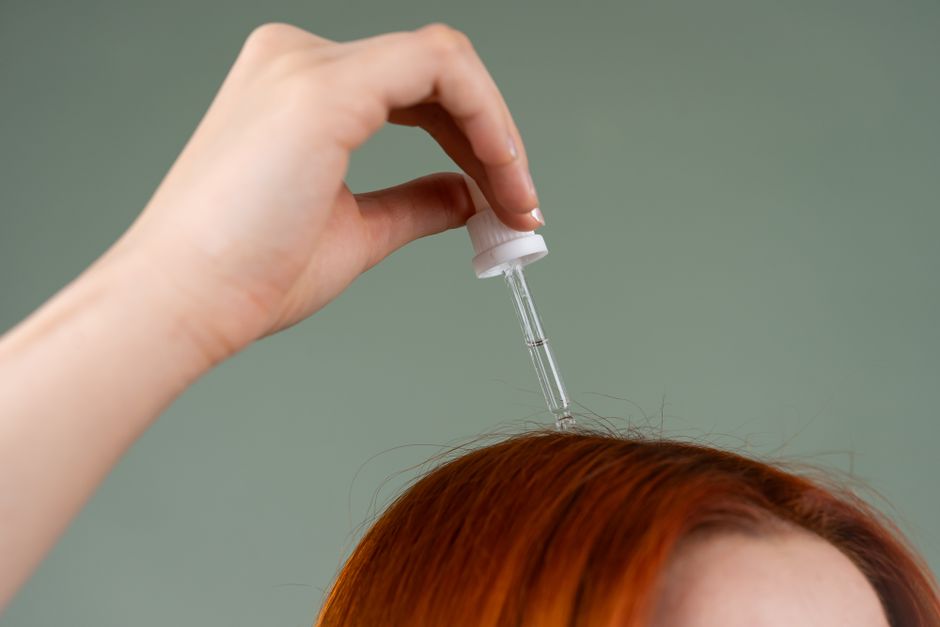
When hair starts growing back after a wax, the itch is caused by new hairs pushing through the skin and by mild inflammation in the hair follicles — not by anything dangerous. The fastest relief comes from cooling the area, applying a fragrance-free moisturizer or a 1% hydrocortisone cream to calm inflammation, and resisting the urge to scratch. Most post-wax itching settles within a few days as the follicles adjust.
That short answer covers the basics. The rest of this article explains why the itch happens, what actually helps, what makes it worse, and when itching is a sign of something that needs a doctor rather than a drugstore cream.
Why Does Hair Regrowth After Waxing Itch So Much?
Waxing pulls hair out by the root, which means the follicle — the small pocket in the skin that holds each hair — gets physically traumatized. The skin responds the way it responds to any minor injury: with a wave of inflammation. Immune cells rush in, blood flow increases, and chemical messengers like histamine get released. Histamine is the same compound that makes a mosquito bite itch, and it does the same thing here.
On top of that, the new hair has to force its way up through the follicle opening. A fresh hair tip is sharp and slightly stiff. As it pushes through skin that is still irritated and possibly swollen, it triggers nerve endings near the surface. That combination — inflammation plus mechanical irritation — is why the itch tends to peak in the days right after waxing and then fade.
People with sensitive skin, eczema, or a history of keratosis pilaris (those tiny rough bumps on the arms and thighs) often itch more. So do people who wax coarse hair, since those follicles tend to be larger and more reactive.
One detail worth knowing: the itch is not a sign the wax “didn’t work” or that hair is growing back faster. It is a normal part of the healing and regrowth cycle.
What Is the Fastest Way To Stop the Itching?
Cooling the skin is the quickest thing you can do. A cool compress — a clean cloth rinsed in cool water — held against the area for a few minutes calms nerve endings and reduces the sensation of itch. Do not use ice directly on the skin. Wrap it if you use it at all, and keep it brief.
Over-the-counter options that are widely used and generally supported for mild skin inflammation include:
- 1% hydrocortisone cream — a low-strength steroid that reduces inflammation. Apply a thin layer to the itchy area as directed on the label. Do not use it on broken skin or for longer than the label allows without asking a doctor.
- Fragrance-free moisturizer — dry, tight skin itches more. Keeping the area moisturized reduces that trigger.
- Colloidal oatmeal creams or lotions — these are commonly recommended for itchy, irritated skin and have a reasonable track record for calming irritation.
- Oral antihistamine — if the itch is keeping you awake, an over-the-counter antihistamine may help. Follow the package directions and check with a pharmacist if you take other medications.
What does not help: scratching. It feels good for about two seconds and then makes everything worse by damaging the skin barrier and triggering more histamine release. If you have to touch the area, press or pat instead of scratching.
Does Scratching Make Post-Wax Itching Worse?
Yes, and the reason is worth understanding. Scratching damages the top layer of skin, which allows bacteria and irritants in. Your body responds by releasing more histamine, which makes you itch more, which makes you scratch more. This is called the itch-scratch cycle, and it is why a small itch can turn into a red, raw patch within a day.
Scratching also raises the risk of folliculitis — inflammation or infection of the hair follicles. Folliculitis looks like small red bumps or pus-filled pimples around the hair openings. Mild cases often clear on their own, but if the bumps spread, get painful, or start oozing, that is a reason to see a doctor rather than keep treating it at home.
If you catch yourself scratching in your sleep, wearing soft, loose cotton clothing over the area can help. So can keeping your fingernails short.



What Makes Post-Wax Itching Worse?
Several common habits extend the itch or make it more intense. Tight clothing rubs against freshly waxed skin and keeps the follicles irritated. Hot showers and baths strip oils from the skin and increase blood flow to the area, which can amplify itching. Scented lotions, perfumes, and heavily fragranced body products contain ingredients that irritate compromised skin.
Exercise and sweating are another factor. Sweat contains salts and other compounds that can sting and itch on skin that is already inflamed. If you can, give the area a day or two before intense workouts, and rinse off with cool water afterward.
Sun exposure is worth mentioning too. Freshly waxed skin is more sensitive to UV light, and sunburn on top of wax irritation is genuinely unpleasant. Keep the area covered or use sunscreen on healed skin, not on raw or broken skin.
Some people find that certain ingredients in after-wax products — alcohol, menthol, or strong fragrances — cause more irritation than they relieve. If a product stings when you apply it, that is your skin telling you something.
How Long Does the Itching Usually Last?
For most people, post-wax itching is worst in the first 24 to 48 hours and eases within three to five days. That timeline reflects the normal course of mild inflammation and the early phase of hair regrowth.
If itching is still intense after a week, or if it is getting worse rather than better, that is not typical and is worth a call to a doctor or dermatologist. Persistent itching after hair removal can sometimes point to an infection, an allergic reaction, or an underlying skin condition that was already present and got triggered.
When Is Post-Wax Itching a Sign of Something More Serious?
Most post-wax itching is harmless and self-limiting. Certain signs suggest something else is going on and warrant medical attention:
- Spreading redness, warmth, or swelling
- Pus-filled bumps that increase in number or size
- Pain that is getting worse instead of better
- Fever or feeling unwell
- Itching that spreads well beyond the waxed area
- Hives, swelling of the face or lips, or difficulty breathing — this is a medical emergency
Folliculitis is the most common complication of waxing that needs a doctor’s eye. It can be caused by bacteria, and in some cases by fungi or viruses, which is why a doctor may need to look at it rather than guess. Treatment depends on the cause, and using the wrong cream can make it worse.
People with diabetes, weakened immune systems, or a history of skin infections should be quicker to seek care, since minor skin problems can escalate faster in those groups.
How Can You Prevent the Itch Next Time?
Preparation before waxing and care afterward both matter. Exfoliating gently a day or two before your appointment can help remove dead skin cells that might block hair from emerging. Do not exfoliate on the day of waxing or for several days after — that is when the skin needs to be left alone.
After waxing, the general approach that dermatologists tend to recommend is simple: keep the area clean, keep it moisturized with a fragrance-free product, avoid heat and friction for a day or two, and do not scrub or exfoliate until the skin has fully calmed.
Some clinicians suggest regular gentle exfoliation starting about a week after waxing to reduce the chance of ingrown hairs, which are a separate but related source of itching and bumps. The evidence for how well this works is not strong, and it can backfire if you exfoliate too soon or too aggressively.
If you consistently get severe itching or bumps after waxing, it may be worth discussing alternatives with a dermatologist — such as laser hair reduction, which targets the follicle itself and can reduce regrowth over time. That is a clinical decision, not a DIY one.
Frequently Asked Questions
How long does itching last after waxing?
Most post-wax itching peaks in the first 24 to 48 hours and eases within three to five days. Itching that is still intense after a week is not typical and is worth checking with a doctor.
What can I put on my skin to stop the itch after waxing?
A cool compress, a fragrance-free moisturizer, or a thin layer of 1% hydrocortisone cream are the most common options for mild irritation. Do not apply hydrocortisone to broken skin, and follow the label directions.
Is it normal for hair regrowth to itch after waxing?
Yes, it is normal. The itch comes from inflammation in the hair follicles plus the new hair pushing through the skin surface, and it usually fades as the skin settles.
When should I see a doctor for itching after waxing?
See a doctor if you have spreading redness, pus-filled bumps, worsening pain, fever, or itching that gets worse instead of better after several days. These can be signs of infection or another skin condition that needs treatment.
