
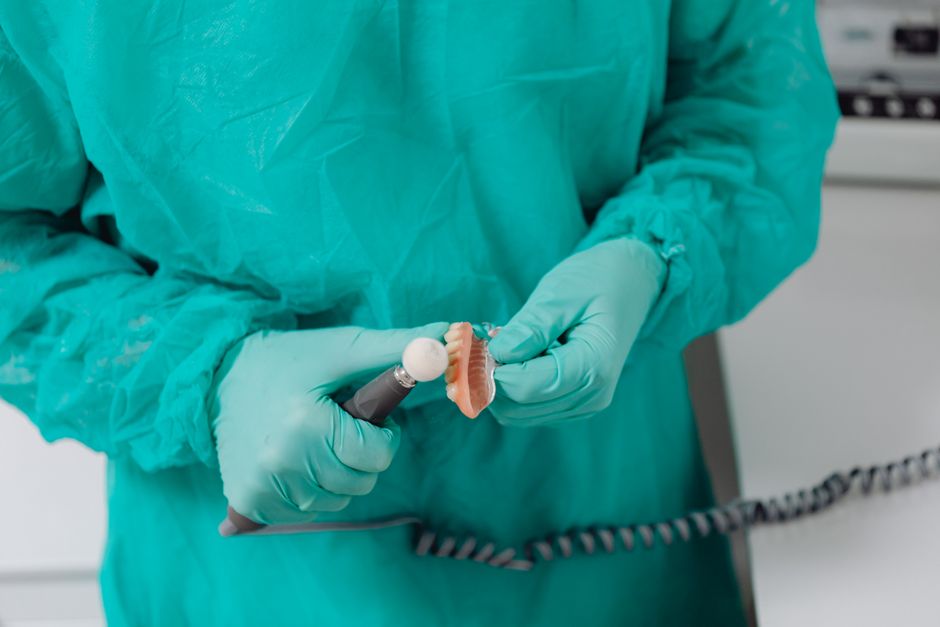
Yes, denture cleaner does kill bacteria. Studies confirm that soaking dentures in a cleaning solution for the recommended time kills up to 99.9% of bacteria, fungi, and other microorganisms. This includes common oral germs like Candida albicans and Staphylococcus aureus. The active ingredients in these products—such as sodium hypochlorite, effervescent peroxides, and enzymes—work together to break down biofilms and destroy microbes. If you wear dentures, partials, or even a retainer, regular cleaning is not optional. It is essential for preventing infections, bad breath, and inflammation.
How Do Denture Cleaners Actually Kill Bacteria?
Denture cleaners use a combination of chemical processes to kill bacteria. The most common mechanism is oxidation. Ingredients like sodium perborate or potassium monopersulfate release oxygen bubbles when mixed with water. These bubbles physically lift debris and disrupt bacterial cell walls.
Another key ingredient is sodium hypochlorite—essentially bleach at a controlled concentration. It breaks down proteins and kills bacteria on contact. Enzymes like subtilisin and papain digest organic matter, including plaque and food particles. Together, these ingredients create an environment where bacteria cannot survive.
Research from the Journal of Prosthodontics shows that a 15-minute soak in an effervescent tablet solution reduces bacterial counts by over 99%. Longer overnight soaks are even more effective. But here is the nuance: scrubbing with a brush before soaking still matters. The soak kills what is left, but physical cleaning removes biofilm that chemicals struggle to penetrate.
What Types of Bacteria and Fungi Can Denture Cleaners Remove?
Denture cleaners target a wide range of microorganisms. The most common are Candida albicans, the fungus behind denture stomatitis—a painful inflammation under the denture. Also common are Streptococcus mutans and Staphylococcus aureus, both linked to gum infections and bad breath.
A 2020 study in Oral Diseases tested several commercial denture cleaners and found all of them effective against fungal biofilms. Some products reduced fungal counts by over 99.9% after 30 minutes. For bacteria, the results were similar. However, not all cleaners are equal. Products with sodium hypochlorite tend to be the strongest. Enzyme-based tablets are gentler but still effective for daily maintenance.
One thing many people miss: denture cleaners do not just kill bacteria on the plastic. They also kill bacteria in the soaking solution itself. If you reuse the same solution for multiple days, you are soaking your dentures in a bacteria bath. Always use fresh water and fresh tablets each time.
Does Denture Cleaner Kill Bacteria Yes Heres How: The Evidence
Let us get specific. A 2019 review in the Journal of Applied Oral Science looked at 22 studies on denture cleaning methods. The conclusion was clear: chemical soaking with commercial cleaners is the most effective way to reduce microbial load. Brushing alone left behind up to 40% of bacteria. Soaking alone left behind about 10%. Combining both methods brought contamination down to near zero.
The same review noted that natural remedies like vinegar or baking soda are far less reliable. Vinegar is acidic enough to kill some bacteria but not all. It also does not remove biofilm effectively. Baking soda is a mild abrasive—good for scrubbing but not for disinfection.
For the best results, the American Dental Association recommends soaking dentures daily in a cleaner that carries their Seal of Acceptance. This seal means the product has been tested for safety and effectiveness. Look for it on the packaging.



What Happens If You Do Not Clean Dentures Properly?
Skipping cleaning does not just mean bad breath. It means infection. The most common condition is denture stomatitis, which affects about 30% of denture wearers. Symptoms include red, inflamed tissue under the denture, pain, and a bad taste. It is caused by fungal overgrowth, usually Candida.
Bacteria can also travel. A 2018 study in Gerodontology found that denture wearers with poor oral hygiene had higher rates of pneumonia. The bacteria from dentures can be aspirated into the lungs. This risk is especially serious for older adults and people with weakened immune systems.
Even if you feel fine, biofilm builds up invisibly. Within hours, bacteria begin colonizing the surface of your dentures. Within days, a mature biofilm forms. This film protects bacteria from simple rinsing. Only a chemical soak can break it down.
Can Denture Cleaners Damage Your Dentures or Health?
Denture cleaners are safe when used correctly. But there are two common mistakes. First, using too strong a solution. Some people add extra tablets thinking it will clean better. This can damage the denture material, causing warping or discoloration. Second, soaking metal parts. Denture cleaners with bleach can corrode metal clasps on partial dentures. If your denture has metal, look for a bleach-free formula.
Swallowing the solution is another concern. Keep denture cleaners out of reach of children and pets. If swallowed, call poison control immediately. The chemicals can cause burns and stomach upset.
There is also a myth that denture cleaners kill good bacteria in your mouth. This is not true. The cleaner only contacts the denture surface, not your oral tissues. After rinsing thoroughly, no residue remains. Your mouth’s natural microbiome returns to normal within minutes.
How to Use Denture Cleaner for Maximum Effectiveness
Follow these steps based on evidence from dental research:
| Step | Action | Why It Matters |
|---|---|---|
| 1 | Rinse dentures under water | Removes loose food particles |
| 2 | Brush with soft toothbrush | Disrupts biofilm before soaking |
| 3 | Place in fresh cleaning solution | Ensures full chemical activity |
| 4 | Soak for recommended time | Kills bacteria and fungi |
| 5 | Rinse thoroughly before wearing | Removes chemical residue |
Do not skip the brushing step. Research shows that brushing before soaking doubles the reduction in bacteria. Also, never use hot water. It can warp the denture plastic. Lukewarm or room-temperature water works best.
For deep cleaning once a week, consider using an ultrasonic cleaner with a denture tablet. These devices use sound waves to agitate the solution and remove biofilm from tiny crevices. A 2021 study in the Journal of Dental Sciences found ultrasonic cleaning with a chemical agent killed 99.9% of Candida in 10 minutes.
Common Misconceptions About Denture Cleaners
- Toothpaste is safe for dentures. It is not. Toothpaste is abrasive and creates microscopic scratches where bacteria can hide. Use a denture-specific brush and cleaner.
- Soaking in mouthwash works. Mouthwash is not strong enough to kill denture biofilm. It may freshen the smell but does not disinfect.
- Denture cleaners are all the same. They are not. Tablets with sodium hypochlorite are strongest. Enzyme tablets are gentler for daily use. Choose based on your needs.
- Once a week is enough. It is not. Daily cleaning is recommended by the American Dental Association. Biofilm forms within hours.
- You can reuse the soaking solution. Never. Bacteria multiply in used solution. Always discard after each use.
Another common mistake is soaking dentures overnight in plain water. Water alone does not kill anything. It actually allows bacteria to grow. Always use a cleaning solution for overnight soaks.
Frequently Asked Questions
Does denture cleaner kill bacteria on retainers too?
Yes, denture cleaner kills bacteria on retainers and other removable appliances. Check with your orthodontist first, as some materials may be sensitive to certain chemicals.
How long should I soak dentures to kill bacteria?
Most products require 15 to 30 minutes for effective disinfection. Overnight soaking is safe and provides the best results.
Can I use vinegar instead of denture cleaner?
Vinegar kills some bacteria but not all, and it does not remove biofilm. Commercial denture cleaners are far more effective and reliable.
Is it safe to use denture cleaner every day?
Yes, daily use is safe and recommended by the American Dental Association. Just rinse thoroughly before putting dentures back in your mouth.
