
Pneumonia in children is most often caused by viruses, not bacteria. Respiratory syncytial virus (RSV) and influenza are the most common viral culprits in kids under five. Bacteria like Streptococcus pneumoniae are a more frequent cause in older children and adults. The “more” in that question matters because the exact cause changes with age, immune status, and even the season.
What Viruses Cause Pneumonia in Children?
Viruses are the leading cause of pneumonia in children under five years old worldwide. The CDC reports that about half of all pneumonia cases in this age group are viral. RSV is the single most common virus, especially in infants and toddlers.
Influenza A and B are also major causes. Other viruses include parainfluenza, adenovirus, and human metapneumovirus. More recently, SARS-CoV-2 (the virus that causes COVID-19) has been added to the list. Viral pneumonia tends to be less severe than bacterial pneumonia, though it can still land a child in the hospital.
Viral pneumonia often starts with cold-like symptoms. Runny nose, cough, and fever come first. The cough gets worse over a few days. Wheezing is more common with viral pneumonia than bacterial. Most children recover on their own with supportive care like fluids and fever control.
What Bacteria Cause Pneumonia in Kids?
Bacterial pneumonia is less common than viral in young children, but it tends to be more serious. Streptococcus pneumoniae is the most frequent bacterial cause. This is why the pneumococcal vaccine is part of routine childhood immunizations.
Mycoplasma pneumoniae causes what is often called “walking pneumonia.” It is common in school-aged children and teens. Symptoms are milder and come on gradually. A dry cough that lingers for weeks is typical. Many kids with this type do not look very sick, which is why it spreads easily through classrooms.
Group A Streptococcus and Staphylococcus aureus can also cause bacterial pneumonia, though they are less common. Bacterial pneumonia often follows a viral respiratory infection. The virus damages the airways, making it easier for bacteria to invade. This is why a child with a cold can suddenly get much worse.
What Causes Pneumonia In Kids Viruses Bacteria More — Which Is More Common by Age?
Age is the strongest predictor of what causes pneumonia in a child. In newborns and infants under three months, bacteria like Group B Streptococcus from the birth canal can cause pneumonia. But in older infants and toddlers, viruses dominate.
Here is a simple breakdown of the most common causes by age group:
| Age Group | Most Common Cause |
|---|---|
| Newborn to 3 months | Bacteria from birth (Group B Strep, E. coli) |
| 3 months to 5 years | Viruses (RSV, influenza, parainfluenza) |
| 5 years to 18 years | Mycoplasma pneumoniae (bacteria) and viruses |
By the teenage years, bacterial causes become more common again. Mycoplasma and Streptococcus pneumoniae make up a larger share. The pneumonia vaccine schedule is designed around this age-based pattern. Infants get the pneumococcal vaccine starting at two months. Older children and teens may need a booster.





How Can You Tell If It Is Viral or Bacterial Pneumonia?
This is the question parents and doctors face most often. The honest answer is that you cannot always tell without tests. But there are patterns that help distinguish them.
Viral pneumonia usually comes on slowly. The child has a cold for a few days, then the cough gets worse. Fever is often lower. Wheezing is common. The child may still have some energy between fevers.
Bacterial pneumonia tends to hit fast. A child can seem fine in the morning and have a high fever with shaking chills by afternoon. The cough produces colored phlegm. The child looks and acts sick. They may breathe fast or grunt. Chest pain is more common with bacterial pneumonia.
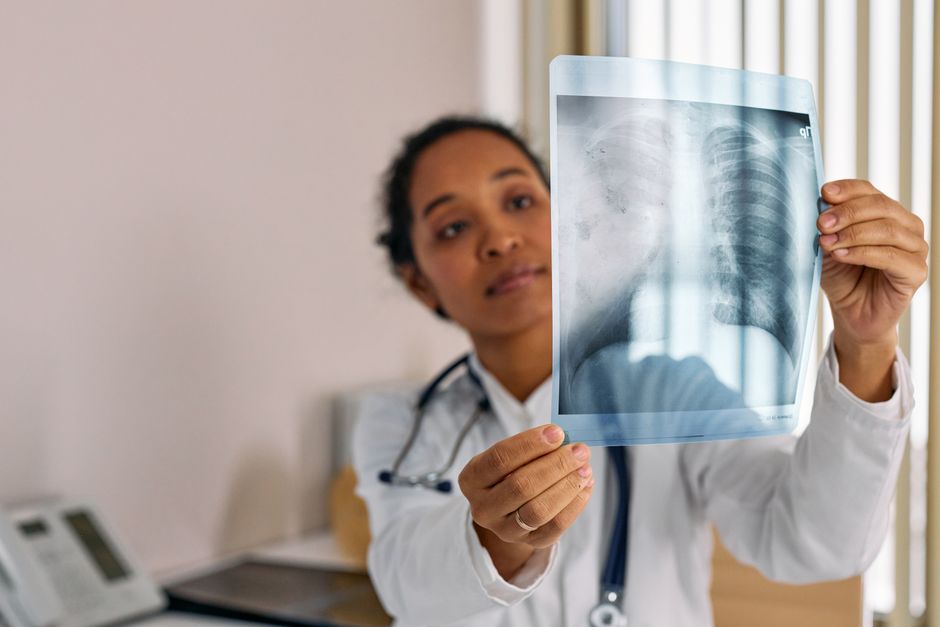
Doctors use chest X-rays, blood tests, and sometimes mucus cultures to tell the difference. But even these are not perfect. Many children have mixed infections — a virus and bacteria at the same time. Research published in Pediatrics found that about one-third of children hospitalized with pneumonia had evidence of both viral and bacterial infection.
What Treatments Actually Work for Childhood Pneumonia?
Treatment depends entirely on the cause. Antibiotics do not work for viral pneumonia. Giving them when not needed does not help the child and contributes to antibiotic resistance. This is a real problem. The CDC estimates that about 30% of antibiotic prescriptions for children are unnecessary.
For viral pneumonia, treatment is supportive. That means rest, fluids, fever reducers like acetaminophen or ibuprofen, and close monitoring. Some children with severe viral pneumonia from RSV or influenza may need oxygen or breathing treatments in the hospital. Antiviral drugs like oseltamivir (Tamiflu) can help if given early for influenza pneumonia, but they are not routinely used for other viruses.
For bacterial pneumonia, antibiotics are essential. Amoxicillin is the first-line treatment for most children with mild to moderate bacterial pneumonia. More severe cases may require stronger antibiotics in the hospital. The key is completing the full course even if the child feels better after a few days.
Common Misconceptions About Pneumonia Causes in Children
One widespread myth is that pneumonia is always caused by getting cold or wet. This is false. Being cold does not cause pneumonia. It can make the immune system less effective, which might increase risk. But the actual cause is always a germ — virus, bacteria, or rarely fungus.
Another myth is that pneumonia is always serious and requires hospitalization. Most childhood pneumonia is mild and can be managed at home. Only about 2% of children with pneumonia in the United States need hospital care. The risk is higher in infants under six months and children with chronic health conditions like asthma or heart disease.
A third misconception is that the pneumonia vaccine prevents all pneumonia. It does not. The pneumococcal vaccine protects against the most common bacterial cause, but not against viruses or other bacteria. Vaccinated children can still get pneumonia. They are just less likely to get the severe bacterial type.
Some parents worry that coughing will make pneumonia worse. The opposite is true. Coughing helps clear mucus and germs from the lungs. Suppressing a cough in a child with pneumonia is generally not recommended unless the cough is preventing sleep. The American Academy of Pediatrics advises against using over-the-counter cough and cold medicines in children under six years old.
How to Reduce the Risk of Pneumonia in Children
Vaccination is the single most effective strategy. The pneumococcal vaccine series, the flu vaccine every year, and the COVID-19 vaccine all reduce pneumonia risk. The CDC recommends the RSV vaccine for pregnant women to protect newborns, and a new RSV antibody shot for high-risk infants.
Good hand hygiene matters. Respiratory viruses spread through droplets from coughs and sneezes. Teaching children to cough into their elbow and wash hands regularly cuts transmission. Keeping sick children home from school prevents outbreaks.
Breastfeeding provides some protection. Breast milk contains antibodies that help fight respiratory infections. The American Academy of Pediatrics recommends exclusive breastfeeding for the first six months. This does not guarantee a child will never get pneumonia, but it lowers the odds.
Avoiding secondhand smoke is critical. Children exposed to tobacco smoke have a much higher risk of pneumonia and other respiratory infections. The lungs of young children are still developing and are more vulnerable to damage from smoke. This includes vapor from e-cigarettes, which is not harmless.
When Should You See a Doctor?
Some symptoms warrant immediate medical attention. Fast or difficult breathing is the most important sign to watch for. Look for the chest caving in between the ribs or the nostrils flaring with each breath. A child who cannot drink or who is too tired to eat needs evaluation.
A fever lasting more than three days in a child with cough and rapid breathing should be checked. Dehydration — dry mouth, no tears when crying, fewer wet diapers — is another reason to call the doctor. Children under three months with any fever and breathing changes need urgent care.
Trust your instinct as a parent. You know your child’s normal behavior. If they are unusually sleepy, irritable, or not acting like themselves, that is worth a call. Most pneumonia in children resolves without complications. But catching the severe cases early makes a real difference.
Frequently Asked Questions
Can pneumonia in children go away without antibiotics?
Yes, if it is caused by a virus. Viral pneumonia usually resolves on its own with supportive care. Bacterial pneumonia requires antibiotics.
How long does it take for a child to recover from pneumonia?
Most children start feeling better within three to five days of treatment. The cough can last two to three weeks even after the infection clears.
Is pneumonia contagious between children?
The germs that cause pneumonia are contagious, not the pneumonia itself. A child can spread the virus or bacteria through coughs and sneezes before symptoms appear.
Can a child get pneumonia more than once?
Yes, children can get pneumonia multiple times. Each episode is caused by a different germ. Underlying conditions like asthma increase the risk of repeat infections.
