
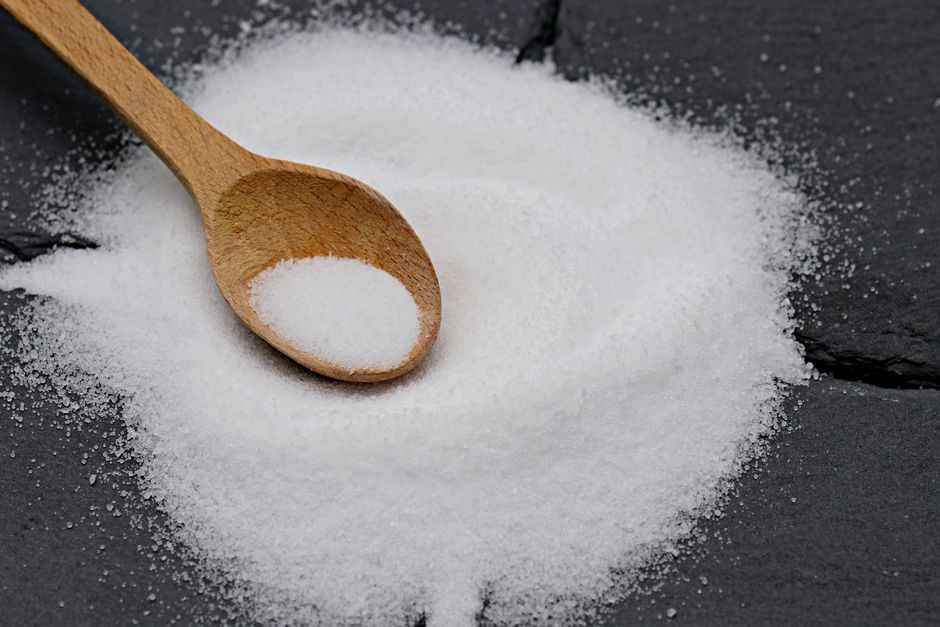
Salt is one of the oldest known methods for keeping food safe and preventing spoilage. The short answer is yes, sodium chloride — common table salt — can kill some bacteria and stop others from growing. But it does not work on all bacteria. And it does not work the way most people think. Salt does not poison bacteria. It dehydrates them. Understanding when salt works, when it fails, and why this matters for your health is what this guide covers.
How Does Sodium Chloride Kill Bacteria?
Sodium chloride kills bacteria through a process called osmosis. When you apply a high concentration of salt to bacteria, water inside the bacterial cells moves outward to balance the salt levels. The cells lose too much water and cannot function. They shrink, their internal processes stop, and they die.
This is why salt has been used for centuries to preserve meat, fish, and vegetables. The salt creates an environment where most bacteria cannot survive. The key factor is concentration. A low amount of salt will not kill bacteria. A high enough concentration — typically above 10 percent — creates the dehydration effect that stops bacterial growth and kills many types.
Research published in the Journal of Food Protection has shown that salt concentrations of 10 to 20 percent can kill common foodborne bacteria like Salmonella and Escherichia coli within hours to days depending on the temperature and moisture levels. The warmer and wetter the environment, the more salt you need to achieve the same effect.
Does Sodium Chloride Kill Bacteria in Wounds and Cuts?
Many people have heard that rinsing a wound with salt water can prevent infection. This is partially true but often misunderstood. A salt water rinse can help clean a wound and reduce some bacteria on the surface. But it is not strong enough to kill all bacteria in deeper tissue.
Normal saline — the kind used in hospitals — contains 0.9 percent sodium chloride. This concentration matches the salt level in your blood and body fluids. It does not kill bacteria. It is used to rinse wounds because it is gentle on tissue and does not damage healing cells. At this low concentration, salt does not dehydrate bacteria effectively.
Higher concentrations of salt water, around 3 to 5 percent, can kill some surface bacteria when used as a rinse. But these stronger solutions can also damage your own cells and slow healing. The American Academy of Dermatology advises against using homemade salt solutions stronger than what you would use for cooking. For deep or dirty wounds, medical treatment is the safer choice.
Does Table Salt Kill All Types of Bacteria?
No. Salt does not kill all bacteria. Some bacteria are halotolerant, meaning they can survive and even thrive in high-salt environments. Staphylococcus aureus is one example. It can live in salt concentrations as high as 20 percent. This is why salted meats can still cause illness if they are contaminated with this bacteria.
Other bacteria form spores that are not affected by salt. Clostridium botulinum, the bacteria that causes botulism, produces spores that survive high salt levels. These spores only become dangerous in low-oxygen environments like canned foods. Salt alone cannot guarantee safety against spore-forming bacteria.
Research from the CDC shows that salt-preserved foods have caused outbreaks of illness when the salt concentration was too low or when the food was stored improperly. Salt is a tool for reducing bacterial growth. It is not a guarantee of safety. Temperature, moisture, pH, and time all matter.
| Bacteria Type | Salt Tolerance | Killed by High Salt? |
|---|---|---|
| Salmonella | Low | Yes, at 10%+ |
| E. coli | Low | Yes, at 10%+ |
| Staphylococcus aureus | High | No |
| Clostridium botulinum (spores) | Very High | No |
| Listeria monocytogenes | Moderate | Partial |




Can You Use Salt to Clean Your Home or Kitchen?
Salt is sometimes promoted as a natural cleaning agent. It can help scrub surfaces and remove stains. But it is not a disinfectant. Disinfectants kill bacteria on surfaces. Salt does not do this reliably enough to be considered a cleaning product for health purposes.
The Environmental Protection Agency regulates disinfectants and requires them to kill 99.9 percent of bacteria within a set time. Salt has never met this standard. Using salt water to wipe down a countertop may remove some bacteria through physical scrubbing, but it will not kill the ones that remain. Soap and water or an EPA-registered disinfectant are better choices.
Some people use salt to clean cutting boards or wooden utensils. The abrasive action can help remove food particles. But the salt itself does not sanitize. The heat from hot water and soap does more to kill bacteria than the salt ever will.
What Are the Risks of Using Salt to Treat Infections?
Using salt to treat an infection at home carries real risks. The biggest risk is delaying proper medical care. If you have a bacterial infection in a wound, relying on salt water rinses instead of antibiotics can allow the infection to spread. Cellulitis, sepsis, and bone infections are serious complications that can result from untreated bacterial infections.
Another risk is tissue damage. High-concentration salt solutions can kill your own cells along with bacteria. This can slow healing and increase scarring. Medical professionals use sterile saline at 0.9 percent specifically because it does not damage tissue. Homemade salt solutions are rarely the correct concentration.
There is also the risk of introducing more bacteria. Tap water is not sterile. Mixing it with salt from your kitchen does not make it sterile. Using non-sterile salt water on an open wound can introduce new bacteria and make the infection worse. This is why hospitals use sterile saline in sealed containers.
Does Salt Work as a Natural Remedy for Sore Throats?
Gargling with salt water is a common home remedy for sore throats. Some evidence supports this practice. A study published in the American Journal of Preventive Medicine found that gargling with salt water three times a day reduced the duration of sore throats by about one day compared to not gargling.
The effect is likely due to the salt drawing fluid out of swollen throat tissues, which reduces inflammation and pain. The salt may also kill some bacteria on the surface of the throat. But it does not treat the underlying cause. Most sore throats are caused by viruses, not bacteria. Salt water will not kill viruses.
If you have strep throat — a bacterial infection caused by Streptococcus pyogenes — salt water gargling may provide temporary relief but it will not cure the infection. Strep throat requires antibiotics to prevent complications like rheumatic fever. Salt water is a comfort measure, not a treatment.
What Is the Best Way to Use Salt for Bacteria Control?
If you want to use salt to control bacteria, the most effective approach is in food preservation. Brining meats, fermenting vegetables, and salting fish are proven methods that have been used for thousands of years. The key is using the right concentration and following established recipes.
- For brining poultry or meat, use a 5 to 10 percent salt solution. This slows bacterial growth but does not kill all bacteria. Refrigeration is still required.
- For fermenting vegetables like sauerkraut or pickles, use a 2 to 5 percent salt solution. The salt allows beneficial bacteria to grow while suppressing harmful ones.
- For long-term preservation of fish or meat, use a salt concentration of 20 percent or higher. This level kills most bacteria but the food must be kept dry and cool.
- Never rely on salt alone for food safety. Combine salt with proper refrigeration, cooking, and hygiene practices.
For personal health, the safest use of salt is as a rinse for minor mouth or throat irritation. Use 1/2 teaspoon of salt in a full glass of warm water. This creates roughly a 1 percent solution. It is gentle enough not to damage tissue but may help with discomfort. For wounds, stick to sterile saline from a pharmacy or seek medical care.
Common Misconceptions About Salt and Bacteria
One common myth is that salt kills all bacteria instantly. This is not true. Salt takes time to work. The dehydration process can take hours or days depending on the bacteria and the environment. Some bacteria can survive for weeks in salted foods if the conditions are right.
Another myth is that sea salt or pink Himalayan salt is more effective than table salt. All sodium chloride works the same way chemically. The additional minerals in specialty salts do not enhance antibacterial effects. They may even introduce impurities that reduce effectiveness. Plain white table salt or kosher salt is just as good for bacterial control.
Some people believe that eating salty foods will kill bacteria in the stomach. Stomach acid is already very effective at killing bacteria. The salt you eat is diluted by stomach fluids and does not reach a high enough concentration to kill bacteria. Eating salty food does not prevent foodborne illness.
Frequently Asked Questions
Can salt water kill bacteria in a mouth infection?
Salt water rinses can reduce some bacteria on the surface of the gums and mouth. They will not cure a deep tooth infection or abscess.
Does table salt kill bacteria in food?
Yes, at high concentrations table salt kills many bacteria in food. It works best when combined with refrigeration and proper storage.
Is salt water better than hydrogen peroxide for killing bacteria?
Hydrogen peroxide kills bacteria more effectively than salt water. But it can also damage healthy tissue. Salt water is gentler but less powerful.
Can you use salt to preserve food without refrigeration?
Salt alone cannot make food safe without refrigeration for long periods. High salt concentrations slow bacterial growth but do not stop all bacteria. Refrigeration is still needed for safety.
