
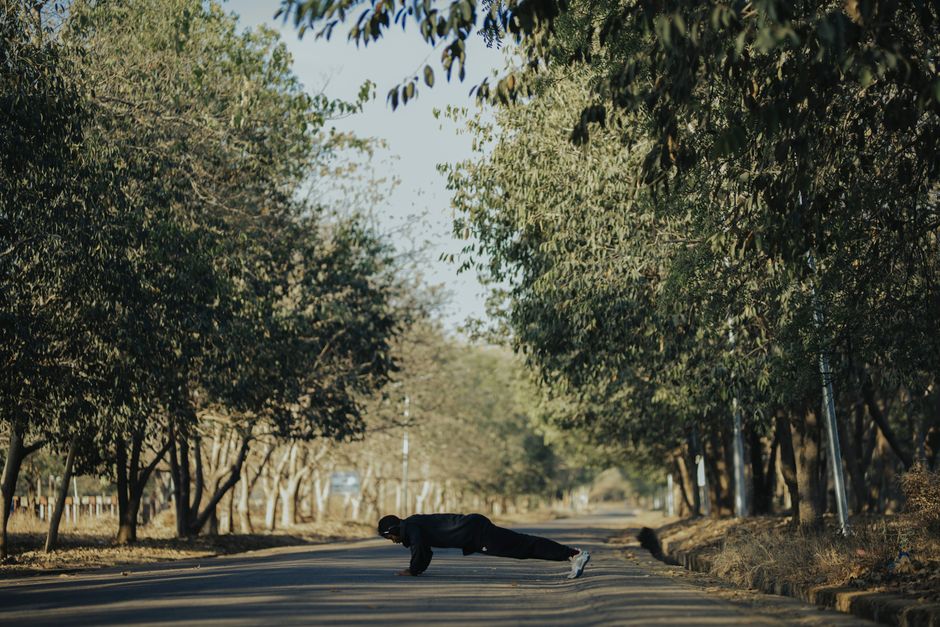
Exercise improves blood flow, and the science behind it is well established. When you exercise, your heart pumps more blood, your blood vessels widen, and your body grows new small blood vessels over time. These changes are measurable and they are a major reason why regular physical activity protects the heart, brain, and muscles.
How Does Exercise Actually Change Blood Flow?
Your circulatory system is a closed loop. Your heart pushes blood through arteries, and veins carry it back. Exercise forces this system to work harder and more efficiently.
During exercise, your muscles need more oxygen. To meet that demand, your heart rate increases and your heart pumps more blood with each beat. Your blood vessels also widen, a process called vasodilation. This widening lowers resistance, which means blood moves more easily through your body.
One key player here is the endothelium, the thin layer of cells lining your blood vessels. When you exercise, the endothelium releases nitric oxide. Nitric oxide signals the smooth muscle in your vessel walls to relax, which lets the vessels open wider. This is a direct, measurable effect of a single workout session.
Over time, repeated exercise trains your blood vessels to dilate more easily. This is why people who exercise regularly often have lower resting blood pressure. Their blood vessels are more flexible and responsive.
Does Exercise Improve Blood Flow What Science Shows
Research consistently shows that both short-term and long-term exercise improve blood flow. The immediate effects happen within minutes. The long-term effects build over weeks and months.
Studies using imaging techniques have shown that regular aerobic exercise increases the diameter of major arteries. This means more blood can flow through them at a lower pressure. The same research shows improvements in the smallest blood vessels, the capillaries, which deliver oxygen directly to tissues.
One of the most important findings is that exercise improves blood flow not just in the limbs but also in the heart and brain. The coronary arteries, which supply the heart muscle itself, respond to exercise training with improved dilation capacity. This is one reason why exercise is a cornerstone of cardiac rehabilitation programs.
The evidence is strong enough that exercise is prescribed as a treatment for conditions like peripheral artery disease, where blood flow to the legs is restricted. In many cases, a structured walking program improves symptoms as much as medication.
What Types of Exercise Improve Blood Flow Best?
Aerobic exercise has the strongest evidence. This includes activities like brisk walking, running, cycling, and swimming. These activities raise your heart rate and keep it elevated, which is what stimulates the blood vessel changes described above.
The American Heart Association recommends at least 150 minutes of moderate-intensity aerobic activity per week, or 75 minutes of vigorous activity. Moderate intensity means your heart rate is elevated and you are breathing harder than normal but can still talk. This recommendation is based on decades of cardiovascular research.
Resistance training, like weight lifting, also helps, but through a different mechanism. It builds muscle mass, and more muscle tissue requires more blood supply. Over time, resistance training increases the density of capillaries around muscle fibers.
High-intensity interval training, or HIIT, has gained attention in recent years. Some studies suggest it produces similar blood vessel improvements in less time compared to steady-state exercise. The evidence is promising but not yet as extensive as the evidence for moderate aerobic exercise.
The best approach is to do both aerobic and resistance exercise. Most guidelines recommend combining them. You do not need to choose one over the other.



How Quickly Do Blood Flow Improvements Appear?
Some changes happen immediately. A single session of exercise causes vasodilation that lasts for hours after you stop. This is why a short walk after a meal can temporarily improve blood pressure.
Structural changes take longer. Your body needs weeks to build new capillaries and strengthen vessel walls. Most people see measurable improvements in blood vessel function after about four to eight weeks of regular exercise, provided they exercise most days of the week.
These improvements reverse if you stop exercising. Blood vessel function begins to decline within a few weeks of inactivity. This is why consistency matters more than intensity for long-term vascular health.
Does Exercise Improve Blood Flow to the Brain?
Yes. The brain is highly dependent on blood flow, and exercise increases it. During exercise, blood flow to the brain increases to deliver more oxygen and glucose. Over time, exercise promotes the growth of new blood vessels in the brain, a process called angiogenesis.
This matters because healthy brain blood flow is linked to better cognitive function. Some research has found that older adults who exercise regularly maintain better memory and thinking skills than those who do not. The exact mechanisms are still being studied, but improved blood flow is clearly one part of the picture.
Exercise also helps regulate blood pressure, which protects the small blood vessels in the brain from damage. High blood pressure is one of the strongest risk factors for stroke and vascular dementia. Keeping blood pressure in a healthy range through exercise reduces this risk.
Can Exercise Help If You Already Have Poor Circulation?
In many cases, yes, but it depends on the cause. For peripheral artery disease, where plaque narrows the arteries in the legs, supervised exercise programs are a first-line treatment. Walking until moderate pain appears, then resting, then walking again, is a standard approach. This repeated cycle actually trains the leg muscles to use oxygen more efficiently and encourages the growth of collateral blood vessels that bypass blockages.
For conditions like chronic venous insufficiency, where veins have trouble returning blood to the heart, exercise helps by activating the calf muscle pump. When your calf muscles contract, they squeeze the veins and push blood upward. This is why walking and calf exercises are recommended for people with varicose veins or leg swelling.
There are some situations where exercise alone is not enough. If you have severe blockages or heart failure, you need medical supervision. Always talk to your doctor before starting a new exercise program if you have a diagnosed cardiovascular condition.
What Does Not Improve Blood Flow?
Some products claim to improve blood flow but have little evidence behind them. Nitric oxide supplements, for example, are marketed as blood flow boosters. Some research suggests they may have modest effects, but the evidence is mixed and the effects are small compared to exercise.
Saunas and hot baths cause temporary vasodilation and a feeling of improved circulation. The effect is short-lived and does not produce the lasting structural changes that exercise does.
Massage increases local blood flow for a short time, but it does not train your blood vessels to work better long-term. It is a relaxation tool, not a cardiovascular treatment.
The most reliable, well-studied way to improve blood flow is physical activity. No pill, device, or therapy has matched the evidence base for exercise.
How Much Exercise Is Enough to See Changes?
You do not need to run marathons. The evidence consistently shows that moderate activity is enough for most people. Walking briskly for 30 minutes a day, five days a week, meets the standard recommendation.
If you are starting from a sedentary baseline, even less can help. Some research shows that breaking up long periods of sitting with short walks of two to three minutes improves blood vessel function. The key is moving more than you currently do.
For people who are already active, increasing intensity or duration can bring additional benefits, but the curve flattens. The biggest gains come from going from inactive to moderately active. Beyond that, the returns diminish.
Frequently Asked Questions
How long does it take for exercise to improve blood flow?
Some improvement appears within hours of a single workout. Structural changes that last take about four to eight weeks of regular exercise.
Does walking improve blood flow?
Yes. Brisk walking is one of the most studied forms of exercise for improving blood flow. It is especially effective for leg circulation.
Can exercise reverse poor circulation?
Exercise can significantly improve circulation in many cases, particularly for peripheral artery disease. It cannot reverse advanced blockages, but it can build alternative blood pathways and improve symptoms.
Is it better to exercise in the morning or evening for blood flow?
The time of day matters less than consistency. The benefits to blood vessels come from regular, repeated exercise, not from when you do it.
