
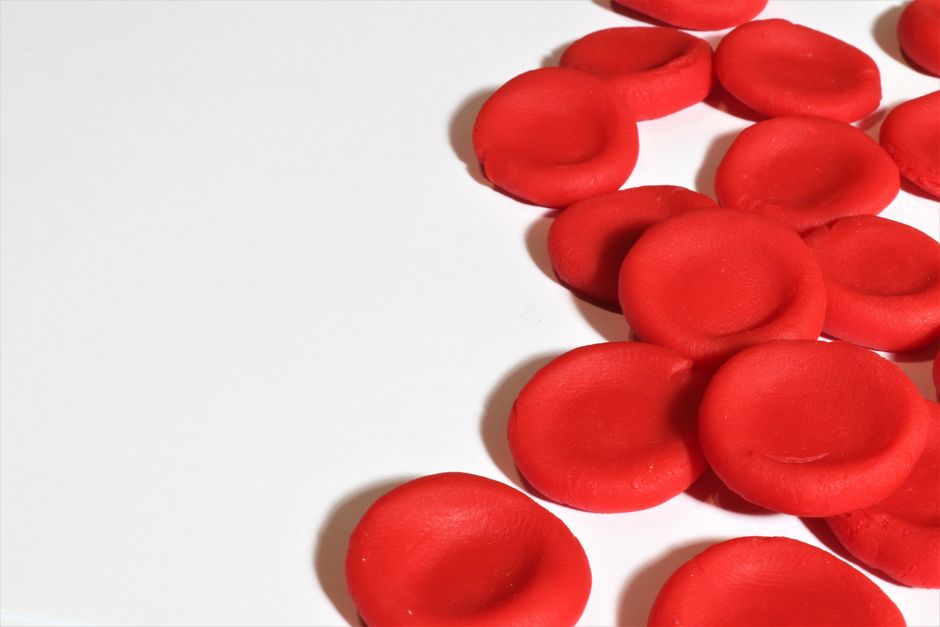
Blood clotting is both good and bad, depending on where it happens and why. When you get a cut, clotting saves your life by stopping the bleeding. When a clot forms inside a blood vessel for no good reason, it can block blood flow and cause a heart attack, stroke, or pulmonary embolism. The science is clear: clotting is a vital protective mechanism that becomes dangerous only when it goes wrong.
What Is Blood Clotting and Why Does It Happen?
Blood clotting is your body’s emergency repair system. The medical term is hemostasis. When a blood vessel gets damaged, your body responds within seconds to stop the bleeding.
The process involves three main steps. First, the blood vessel tightens to reduce blood flow to the area. Second, tiny blood cells called platelets clump together at the injury site to form a temporary plug. Third, proteins in your blood called clotting factors create a mesh of fibrin that strengthens the plug into a stable clot.
This system is tightly controlled. Your body constantly balances clot formation against clot breakdown. Without this balance, you would either bleed to death from a small cut or develop dangerous clots inside healthy blood vessels.
When Is Blood Clotting Good?
Clotting is good whenever it prevents blood loss from an injury. That includes everyday situations like a paper cut, a scraped knee, or a surgical incision. Without normal clotting, even minor injuries could become life-threatening.
Clotting also plays a role in internal healing. When you bruise, small blood vessels under the skin break. Clots form to stop the bleeding, which is why bruises change color as the clotted blood is slowly reabsorbed by your body.
There are also medical conditions where clotting is deliberately encouraged. Doctors use clotting agents during surgery to control bleeding. People with bleeding disorders like hemophilia sometimes receive medications that help their blood clot more effectively.
Your body also relies on clotting to contain infections. When bacteria enter through a wound, the clot acts as a physical barrier that helps keep the infection from spreading deeper into your tissues.
When Is Blood Clotting Bad?
Clotting becomes dangerous when a clot forms inside an intact blood vessel. These are called thromboses. They can block blood flow to vital organs, and the consequences depend on where the clot forms.
A clot in the arteries supplying the heart causes a heart attack. A clot in the brain causes a stroke. A clot in the lungs is called a pulmonary embolism. A clot in the deep veins of the legs is called a deep vein thrombosis, or DVT.
Deep vein thrombosis is one of the most common dangerous clotting conditions. It typically affects the lower leg or thigh. The clot itself may cause pain, swelling, and redness. The bigger danger is that part of the clot can break free and travel to the lungs, where it can block blood flow and make it hard to breathe.
Some people develop a condition called hypercoagulability, meaning their blood has an abnormally high tendency to clot. This can be genetic or acquired. Certain cancers, pregnancy, autoimmune diseases, and some medications can all increase clotting risk.



What Causes Dangerous Blood Clots?
Three main factors increase the risk of abnormal clotting. Doctors call this Virchow’s triad. The first is damage to the blood vessel wall, which can come from surgery, injury, or conditions like atherosclerosis. The second is sluggish blood flow, which happens during long periods of immobility. The third is blood that is more prone to clotting than normal.
Prolonged immobility is a major risk factor. Long airplane flights, bed rest after surgery, or sitting at a desk for hours without moving can slow blood flow in the legs enough to encourage clot formation.
Other risk factors include smoking, obesity, hormonal birth control, hormone replacement therapy, and a personal or family history of blood clots. Age also matters. The risk of abnormal clotting increases as you get older, particularly after age 60.
Some cancers increase clotting risk significantly. Cancer cells can release substances that activate the clotting system. Chemotherapy and surgery for cancer also raise the risk.
How Do Doctors Decide If Clotting Is Good or Bad?
Doctors evaluate clotting from two directions. They ask whether the patient is bleeding too much or clotting too much. Both problems stem from the same system being out of balance.
For people who bleed too much, doctors may test for bleeding disorders or platelet problems. For people who clot too much, doctors look for risk factors and may order blood tests that measure how quickly their blood clots.
The treatment approach depends on the problem. People at high risk of dangerous clots may be prescribed anticoagulant medications, sometimes called blood thinners. These drugs do not actually thin the blood. They reduce the blood’s ability to form clots. This is protective when the risk of a dangerous clot is high, but it increases bleeding risk.
Anticoagulants are a clear example of the balance doctors must manage. Too much anticoagulation means you could bleed dangerously. Too little means you could clot dangerously. Finding the right dose is a constant balancing act.
Can You Prevent Dangerous Blood Clots?
Many dangerous clots are preventable. The strategies depend on your individual risk level.
For everyone, staying active is the most important step. Regular movement keeps blood flowing and prevents it from pooling in the legs. If you sit for long periods, get up and walk every hour or two. During long flights or car trips, flex your calf muscles regularly and take breaks to walk.
Staying hydrated matters too. Dehydration can make blood more concentrated and slightly more prone to clotting. Drinking enough water is a simple preventive measure.
For people at higher risk, doctors may recommend compression stockings. These apply gentle pressure to the legs and help keep blood moving upward. After surgery, some patients receive blood thinners preventively.
If you smoke, quitting reduces your clotting risk significantly. Smoking damages blood vessel walls and makes platelets stickier. The risk drops noticeably after you quit, though it takes time to return to normal.
What Are the Warning Signs of a Dangerous Clot?
Recognizing the signs of a dangerous clot can save your life. The symptoms depend on the clot’s location.
Deep vein thrombosis in the leg often causes swelling, pain, warmth, and redness in one leg. The pain may feel like a cramp or charley horse. If you have these symptoms, especially after surgery or a long period of immobility, seek medical attention promptly.
A pulmonary embolism is a medical emergency. Symptoms include sudden shortness of breath, chest pain that worsens with deep breathing, a rapid heart rate, and coughing up blood. If you experience these symptoms, call emergency services immediately.
Stroke symptoms follow a recognizable pattern. Sudden weakness or numbness on one side of the body, facial drooping, difficulty speaking, and sudden vision problems all warrant immediate emergency care. The faster you get treatment, the better your chances of recovery.
Heart attack symptoms include chest pain or pressure that may spread to the arm, jaw, or back. Shortness of breath, cold sweats, and nausea can also occur. Women sometimes experience less typical symptoms like unusual fatigue or indigestion.
Frequently Asked Questions
Is blood clotting always dangerous?
No. Clotting is essential for survival because it stops bleeding after injuries. It only becomes dangerous when clots form inside blood vessels and block blood flow.
What is the difference between a good clot and a bad clot?
A good clot forms at the site of an injury to stop bleeding. A bad clot forms inside an intact blood vessel, where it can block circulation and damage organs.
Can you feel a blood clot forming?
Not always. Some clots cause noticeable symptoms like leg swelling and pain, but others form silently. That is why people with high risk factors are sometimes given preventive treatment.
How do blood thinners work?
Blood thinners slow down the clotting process so clots are less likely to form. They do not dissolve existing clots, but they give your body time to break them down naturally.
