
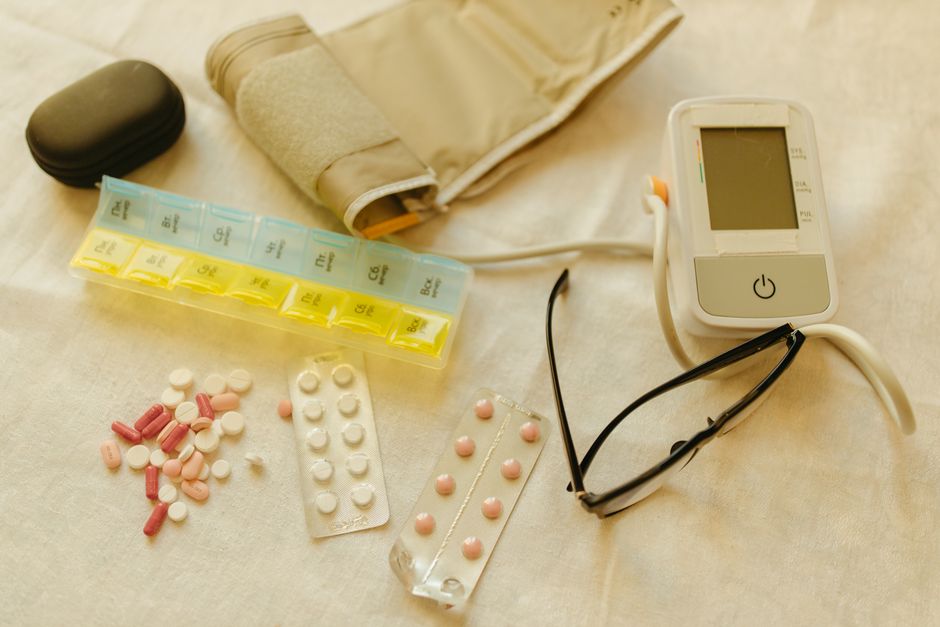
Red light therapy is being promoted for many health issues, including pain, skin problems, and wound healing. But can it help with blood clots? The short answer is no. There is no scientific evidence that red light therapy can prevent, dissolve, or treat blood clots. In fact, using it for this purpose could delay proper medical care and create serious health risks.
What Is Red Light Therapy?
Red light therapy uses low-level wavelengths of red or near-infrared light. The light penetrates the skin and is absorbed by cells, specifically the mitochondria. The idea is that this light energy helps cells produce more ATP, which is the energy currency of the body. This process is sometimes called photobiomodulation.
Some research suggests this can reduce inflammation and promote tissue repair. It is used in clinical settings for wound healing and certain skin conditions. Some dermatologists use it for acne and signs of aging. Physical therapists sometimes use it for muscle recovery.
But these uses are very different from treating a blood clot. A blood clot is not a skin issue or a superficial tissue problem. It forms inside a blood vessel, often deep in the leg or in the lungs. Light applied to the surface of the skin has no proven way to reach or affect a clot inside a vein or artery.
What Is a Blood Clot?
A blood clot is a gel-like mass of blood that forms when platelets and proteins in the blood clump together. Clotting is a normal and necessary process. It stops bleeding after an injury. The problem starts when a clot forms without an injury or when it does not dissolve on its own.
There are two main types of dangerous clots. A deep vein thrombosis (DVT) forms in a deep vein, usually in the leg. A pulmonary embolism (PE) happens when a clot breaks free and travels to the lungs. Both are medical emergencies. A PE can be fatal.
Blood clots are treated with blood thinners, also called anticoagulants. These medications do not break up an existing clot, but they stop it from growing. They also prevent new clots from forming. In more serious cases, doctors use clot-busting drugs called thrombolytics. In some situations, surgery or a filter in a large vein may be needed.
What Does the Science Say About Red Light Therapy and Blood Clots?
No clinical trials have shown that red light therapy can treat blood clots in humans. No major medical organization recommends it for this purpose. The evidence simply does not exist.
Some laboratory studies have looked at how light affects blood cells in a dish. A few have suggested that certain wavelengths of light might affect platelet activity. But these findings are preliminary and do not translate to treating a real clot inside a living person. The conditions in a lab dish are entirely different from the complex environment inside a blood vessel.
Some research has examined whether red light therapy could help prevent the skin damage that can occur after certain procedures. That is not the same as preventing or treating a clot. This distinction matters. A treatment that helps skin heal does not automatically help blood vessels or blood flow.



Can Red Light Therapy Prevent Blood Clots?
There is no evidence that red light therapy prevents blood clots. Preventing clots requires addressing the underlying risk factors. These include prolonged immobility, surgery, certain medical conditions, and a history of clots.
Movement is one of the most effective ways to reduce clot risk. Walking, leg exercises, and stretching help keep blood moving. For people at higher risk, doctors may recommend compression stockings or blood thinners. These are proven strategies backed by decades of research.
Red light therapy does not increase blood flow in the deep veins where clots form. It has no effect on the factors that cause blood to clot abnormally. There is no mechanism by which it could reduce clot risk, and no study has demonstrated that it does.
Is There Any Legitimate Use of Red Light Therapy for Circulation?
Some studies have looked at red light therapy for conditions that affect circulation. For example, some research has examined its use for diabetic foot ulcers and other chronic wounds. Poor circulation is a major factor in these conditions, and improved wound healing has been observed in some studies.
But improved wound healing is not the same as improved circulation. The light may help skin cells repair themselves, but it does not widen blood vessels or improve blood flow in a meaningful way. No study has shown that red light therapy improves blood flow in the deep veins of the legs or prevents clot formation.
This distinction is often confused in marketing materials. A product may claim to “improve circulation” because it helps with a wound or a skin condition. That claim goes beyond what the evidence shows. Be cautious with any product that makes broad claims about circulation or blood health.
What Are the Risks of Using Red Light Therapy for Blood Clots?
The biggest risk is delay. If you have a blood clot and you try red light therapy instead of seeing a doctor, you are losing valuable time. A clot in the lung can be fatal. Every hour matters.
There is also a risk of burns or skin damage if the device is used improperly. Most red light therapy devices are considered low risk when used as directed. But that does not mean they are safe for off-label uses like treating a clot.
Another concern is the financial cost. These devices can be expensive. Spending money on a treatment that has no evidence of working for your condition is a poor investment, especially when proven treatments exist.
Red light therapy may be safe for some people to use for other purposes. But it is not a substitute for medical care. If you suspect a blood clot, seek immediate medical attention. Do not wait to see if a light therapy device helps.
What Are the Warning Signs of a Blood Clot?
Knowing the warning signs is important because blood clots require urgent care. A DVT in the leg often causes swelling, pain, warmth, and redness in one leg. The pain may feel like cramping or a charley horse.
A pulmonary embolism can cause sudden shortness of breath, chest pain that worsens with deep breathing, a rapid heart rate, and coughing up blood. Some people feel lightheaded or faint. These symptoms require immediate emergency care.
If you have any of these symptoms, call 911 or go to an emergency room. Do not try to treat this at home with any device, supplement, or home remedy. Blood clots are serious and can be life-threatening.
What Treatments Actually Work for Blood Clots?
Anticoagulants are the standard treatment for most blood clots. These medications include warfarin, heparin, and the newer direct oral anticoagulants like apixaban and rivaroxaban. They work by interfering with the body’s clotting process.
Treatment length varies. Some people need blood thinners for three months. Others need them for much longer, sometimes for life. The decision depends on the location of the clot, the cause, and your individual risk factors.
For severe clots, doctors may use thrombolytics. These are powerful drugs that actively break up clots. They are usually reserved for life-threatening situations because they carry a risk of serious bleeding.
Compression stockings are often recommended after a DVT. They help reduce swelling and may prevent a complication called post-thrombotic syndrome. This condition causes chronic pain and swelling in the affected leg.
Your doctor will also look for the cause of the clot. Sometimes clots are triggered by a specific event like surgery or a long flight. Other times, they are related to an underlying condition like cancer or a clotting disorder. Finding the cause helps guide treatment and prevention.
What About Supplements and Natural Remedies?
Some people ask about natural options like vitamin E, garlic, or fish oil. These may have mild effects on blood clotting in laboratory studies. But they are not strong enough to treat or prevent a blood clot. They also carry their own risks, especially if taken with prescription blood thinners.
No supplement has been shown to replace anticoagulant therapy. If you are taking a blood thinner, talk to your doctor before adding any supplement. Some supplements can interact with these medications and increase bleeding risk.
Lifestyle changes can help reduce your risk of a first clot. Staying active, maintaining a healthy weight, and not smoking all help. If you sit for long periods, get up and move every hour or two. Hydration also matters, especially on long flights.
What Should You Do Before Trying Red Light Therapy for Any Health Condition?
Talk to your doctor first. This is especially important if you have a medical condition or take medications. Your doctor can help you understand whether the therapy is appropriate for your situation.
Ask about the evidence. A reputable practitioner will be honest about what the research shows and does not show. Be wary of anyone who promises results that sound too good to be true.
If you decide to try red light therapy for a condition it is known to help, like certain skin issues, choose a device from a reputable manufacturer. Follow the instructions exactly. Stop using it if you experience any skin irritation or discomfort.
Remember that red light therapy is not a replacement for standard medical care. It may have a role in certain treatments, but it is not a cure-all. For blood clots specifically, the evidence is clear: this therapy has no proven benefit and should not be used in place of medical treatment.
Frequently Asked Questions
Can red light therapy break up a blood clot?
No. No scientific evidence shows that red light therapy can break up or dissolve a blood clot. Blood clots require medical treatment with anticoagulants or other established therapies.
Can red light therapy prevent deep vein thrombosis?
No. There is no evidence that red light therapy prevents DVT. Prevention relies on movement, compression stockings, and blood thinners when prescribed by a doctor.
Is red light therapy safe to use if I have a blood clot?
Using it is unlikely to directly harm you, but it can be dangerous if it delays proper medical treatment. A blood clot is a medical emergency that requires immediate care.
Does red light therapy improve blood circulation?
Some studies show it may help with wound healing, but there is no evidence that it improves blood flow in the deep veins where clots form. Improved healing is not the same as improved circulation.
