
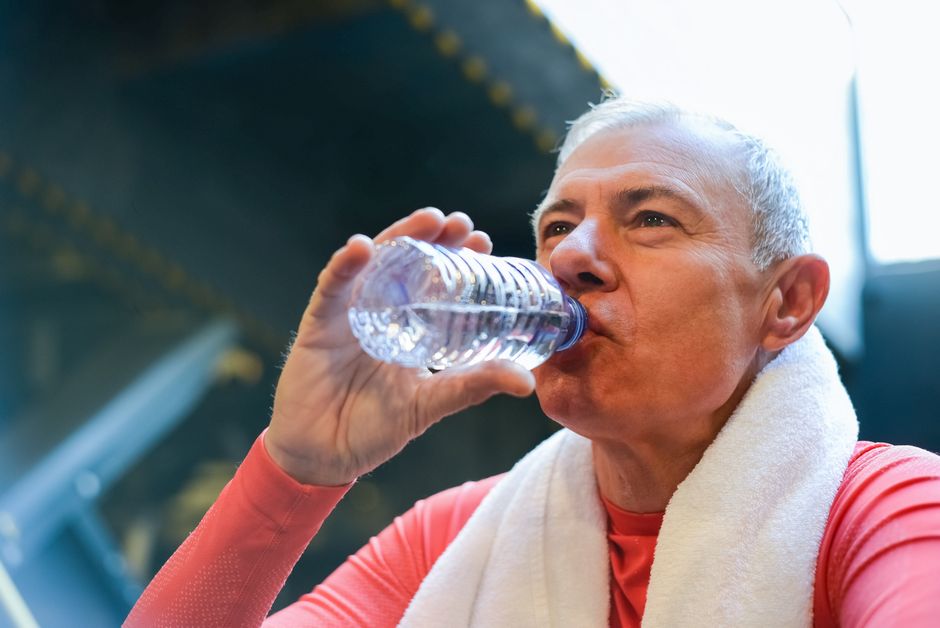
Drinking a lot of water can have a modest effect on blood pressure, but it is not a treatment for hypertension. For most people, increasing water intake helps maintain normal blood pressure, but it will not dramatically lower elevated readings. The real answer depends on why your blood pressure is high and how much water you currently drink.
Does Drinking A Lot Of Water Lower Blood Pressure?
Yes, but only under specific conditions. If you are dehydrated, drinking water can raise your blood pressure back to a normal level. If you are well-hydrated, drinking extra water does not lower your blood pressure further.
Water acts on blood pressure through blood volume. When you are dehydrated, your blood volume drops. Your blood becomes thicker, and your heart has to work harder to push it through your vessels. Drinking water restores that volume, which helps stabilize your readings.
This effect is real but small. It is not the same as taking an antihypertensive medication. A glass of water will not bring a dangerously high reading down to normal.
How Water Affects Your Blood Pressure
Your body is about 60% water. Your blood is about 90% water. When you drink fluids, your body absorbs them and uses what it needs to maintain blood volume.
Blood pressure is the force of blood pushing against your artery walls. Two numbers matter: systolic pressure when your heart beats, and diastolic pressure when your heart rests between beats. Normal blood pressure is below 120/80 mmHg.
When blood volume drops, your body releases hormones that narrow your blood vessels. This narrowing, called vasoconstriction, raises blood pressure. Drinking water reverses this process by expanding blood volume and reducing those constricting signals.
Research published in medical journals has shown that drinking water can raise blood pressure in people who have low blood pressure, especially older adults who experience dizziness when standing. For people with normal or high blood pressure, the effect is less noticeable.
Dehydration and High Blood Pressure
Chronic dehydration can contribute to higher blood pressure readings. If you consistently drink too little fluid, your body maintains a state of mild volume depletion. This keeps your blood vessels slightly constricted.
Dehydration also makes your blood more concentrated. Higher sodium concentration in your blood triggers your kidneys to hold onto water. This mechanism is meant to protect you, but it can keep blood pressure elevated.
There is an important distinction here. Dehydration is not the same as having too little sodium. Most people with high blood pressure consume too much sodium, not too little. Drinking more water does not flush out excess sodium effectively. Your kidneys regulate sodium balance through complex hormonal signals, not simply through water intake.




What Drinking Water Cannot Do
Water cannot reverse the main causes of chronic high blood pressure. These include stiffening arteries, kidney disease, hormonal disorders, and genetics. No amount of water changes the structural health of your blood vessels.
If your blood pressure is high because of excess body weight, physical inactivity, or a diet high in processed foods, water alone will not fix those problems. It may help you feel fuller and support weight loss efforts, but the water itself is not the active treatment.
Drinking excessive water can be dangerous. Your kidneys can process about 1 liter of fluid per hour. Drinking much more than that can dilute your blood sodium to dangerously low levels, a condition called hyponatremia. This can cause confusion, seizures, and in severe cases, coma.
How Much Water Should You Drink
There is no single water requirement that fits everyone. The National Academies of Sciences, Engineering, and Medicine provides general guidance. Most healthy women need about 11.5 cups of total water per day from all beverages and foods. Most healthy men need about 15.5 cups.
These numbers include water from food. Fruits, vegetables, soups, and other beverages all count toward your total fluid intake. About 20% of your daily water comes from food.
Your individual needs vary based on activity level, climate, and health conditions. People with heart failure, kidney disease, or liver disease may need to limit fluids. If you have one of these conditions, follow your doctor’s advice about fluid intake.
Thirst is a useful guide for most healthy people. Urine color also helps. Pale yellow urine usually means you are well-hydrated. Dark yellow urine suggests you need more fluids.
Other Drinks That Affect Blood Pressure
What you drink matters as much as how much you drink. Some beverages raise blood pressure. Others may help lower it.
Sugary drinks can contribute to weight gain, which raises blood pressure over time. Regular consumption of sugar-sweetened beverages is linked to higher blood pressure in some studies.
Alcohol raises blood pressure. Drinking more than two standard drinks per day for men or one for women is associated with higher readings. Reducing alcohol intake can lower blood pressure by a measurable amount.
Caffeine causes a temporary spike in blood pressure. This effect is short-lived and varies from person to person. Regular coffee drinkers often develop tolerance, and long-term coffee consumption is not strongly linked to chronic hypertension.
Beet juice and hibiscus tea have shown some blood pressure-lowering effects in clinical trials. These effects are modest and should not replace prescribed medications.
Lifestyle Changes That Actually Lower Blood Pressure
If you have high blood pressure, water is not your primary tool. These evidence-based approaches have stronger support:
- Reduce sodium intake to less than 2,300 mg per day, with an ideal target of 1,500 mg for many adults
- Follow the DASH diet, which emphasizes vegetables, fruits, whole grains, and low-fat dairy
- Get at least 150 minutes of moderate aerobic activity per week
- Maintain a healthy body weight
- Limit alcohol consumption
- Manage stress through techniques like meditation or deep breathing
These changes work through different mechanisms than water. They affect blood vessel flexibility, kidney function, and hormone balance. Together, they can lower systolic blood pressure by 5 to 15 mmHg in many people.
When to Talk to Your Doctor
Blood pressure often has no symptoms. Many people do not know their numbers are high until a routine checkup. If you have not had your blood pressure measured recently, schedule a check.
See a doctor if your home readings are consistently above 130/80 mmHg. Seek emergency care if your blood pressure is above 180/120 and you have chest pain, shortness of breath, vision changes, or weakness on one side of your body.
Do not stop taking blood pressure medications because you increased your water intake. Water does not replace prescription treatment. If you are concerned about your blood pressure, work with your healthcare provider to create a management plan.
Frequently Asked Questions
Can drinking water lower blood pressure quickly?
No. Water only raises blood pressure when you are dehydrated. It does not act quickly to lower elevated readings.
How long does it take for water to affect blood pressure?
Drinking water can affect blood pressure within 15 to 30 minutes, but only if you were dehydrated. In well-hydrated people, extra water has little measurable effect.
Is drinking too much water bad for blood pressure?
Drinking excessive water can dilute your blood sodium and cause hyponatremia, which is dangerous. It does not directly lower blood pressure in a helpful way.
Does water help with high blood pressure from salt?
No. Drinking water does not effectively flush excess sodium from your body. Your kidneys regulate sodium through hormones, and reducing dietary salt is more effective than increasing water intake.
