

Coffee can raise blood pressure, but usually only briefly and modestly. For most regular coffee drinkers, the effect is small and fades within a few hours. People with uncontrolled high blood pressure, or those who drink coffee right before a stress test, are the ones most likely to notice a real change.
The relationship between coffee and blood pressure is more interesting than a simple yes or no. It depends on how much you drink, how often you drink it, and whether your body has adapted to caffeine. Here is what the research actually shows.
Does Drinking Coffee Raise Blood Pressure?
Yes, caffeine causes a short-term rise in blood pressure in people who do not drink it regularly. The effect typically appears within 30 minutes of drinking coffee and can last for several hours.
The size of the increase varies. In people who rarely consume caffeine, systolic pressure (the top number) may rise by a noticeable amount, and diastolic pressure (the bottom number) may rise slightly as well. In habitual coffee drinkers, the same cup often produces little or no measurable change.
This is the key point: the body adapts. Regular consumption leads to tolerance of the acute blood pressure effect. That does not mean coffee is harmless for everyone, but it does mean the daily cup is not causing a sustained spike in most people.
Why Does Coffee Affect Blood Pressure at All?
Caffeine blocks a chemical in your body called adenosine. Adenosine normally helps relax blood vessels and slows heart rate. When caffeine blocks it, blood vessels narrow and the heart may beat faster, which temporarily pushes blood pressure up.
The adrenal glands also release more adrenaline and noradrenaline after caffeine. These hormones tighten blood vessels and increase heart output. The result is a short-term increase in pressure that your body regulates back toward normal as caffeine is metabolized.
Half of the caffeine from a cup of coffee is typically cleared from the body in about three to five hours for most adults, though this varies widely based on genetics, liver function, medications, and smoking status. Smokers process caffeine faster. People taking certain medications, including some antidepressants and oral contraceptives, process it more slowly.
How Long Does the Blood Pressure Increase Last?
The acute rise in blood pressure after coffee usually lasts one to three hours in people who are not regular consumers. In habitual drinkers, the effect is often smaller and shorter.
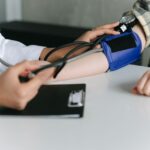
This matters because blood pressure readings taken shortly after coffee can be misleading. If you drink a cup and then sit down for a medical appointment, your reading may not reflect your typical pressure. Clinical guidelines generally recommend avoiding caffeine for at least 30 minutes before a blood pressure measurement, and some sources suggest waiting longer.
A single elevated reading after coffee is not a diagnosis of hypertension. Diagnosis requires multiple elevated readings over time, taken under standardized conditions.



Does Regular Coffee Drinking Cause Long-Term High Blood Pressure?
This is where the picture gets more nuanced. Habitual coffee consumption does not appear to cause sustained hypertension in most people, based on the body of observational research. Large population studies have generally not found that regular coffee drinkers have meaningfully higher rates of hypertension than non-drinkers.
However, this is not a green light for unlimited consumption in everyone. Some individuals are more sensitive to caffeine’s pressor effect and do not develop full tolerance. Genetics play a role in how quickly caffeine is metabolized and how strongly blood vessels respond.
There is also the question of what else is in the cup. Unfiltered coffee, such as French press or espresso, contains compounds called diterpenes that can raise LDL cholesterol. Over years, elevated LDL contributes to cardiovascular risk through a different pathway than blood pressure. Filtered coffee removes most of these compounds. This is a separate issue from blood pressure, but it is relevant to overall heart health.
Who Should Be Cautious About Coffee and Blood Pressure?
People with existing hypertension should pay attention to how coffee affects them individually. The evidence does not suggest that everyone with high blood pressure must quit coffee, but some people are clearly more sensitive than others.
Groups who may need to be more careful include:
- People with blood pressure that is not well controlled on medication
- Those who experience palpitations, anxiety, or headaches after caffeine
- People taking stimulant medications or certain decongestants
- Pregnant women, who are generally advised to limit caffeine intake
- People with certain heart rhythm conditions, who should discuss caffeine with their doctor
The American College of Cardiology and American Heart Association define normal blood pressure as below 120/80 mm Hg. Stage 1 hypertension begins at 130/80 mm Hg. If your readings are consistently in the hypertensive range, caffeine is worth discussing with your clinician, but it is rarely the primary cause.
Some clinicians recommend that patients with uncontrolled hypertension limit caffeine. That is a reasonable precaution, though it is based more on individual variability and clinical judgment than on strong trial evidence that caffeine restriction lowers blood pressure meaningfully in this group.
Does Decaf Coffee Raise Blood Pressure?
Decaf coffee has a much smaller effect on blood pressure than regular coffee. Decaffeination removes most, though not all, caffeine. A typical cup of decaf contains a small fraction of the caffeine in regular coffee, and the pressor effect is correspondingly reduced.
Some studies suggest that even decaf can produce a slight rise in blood pressure in sensitive individuals, possibly due to other compounds in coffee or to a placebo-like expectation effect. But the effect is generally minor compared to regular coffee.
For people who love the taste of coffee but are worried about caffeine’s effect on blood pressure, decaf is a reasonable alternative. It is not completely inert, but it is a different exposure.
How Does Coffee Compare to Other Caffeine Sources?
Coffee is not the only source of caffeine, and the blood pressure effect depends on the dose, not the delivery method. A 12-ounce energy drink with 200 mg of caffeine will have a similar acute effect to a large coffee with the same caffeine content.
Tea contains caffeine but usually less per serving, and the effect on blood pressure is correspondingly smaller. Some research suggests that compounds in tea, such as L-theanine, may modify caffeine’s effects, though the evidence is not conclusive.
What matters most is total caffeine intake and individual sensitivity. The FDA generally considers up to 400 mg of caffeine per day safe for healthy adults, which is roughly the amount in four 8-ounce cups of brewed coffee. This is a general guidance for healthy adults, not a target for people with cardiovascular conditions.
Does Coffee Interact With Blood Pressure Medication?
Caffeine can interact with some blood pressure medications, though the clinical significance varies. Beta-blockers, for example, can reduce caffeine clearance, which may amplify its effects. Some calcium channel blockers and ACE inhibitors may also interact, though the evidence is limited.
This does not mean you cannot drink coffee while on blood pressure medication. It means that if your readings are unstable or you notice changes after starting or stopping coffee, it is worth mentioning to your doctor. Do not stop or change medication based on coffee consumption without medical guidance.
If you take medication for hypertension, the most useful thing you can do is monitor your blood pressure at home under consistent conditions and share those readings with your clinician. That gives a clearer picture than guessing about coffee’s role.
Frequently Asked Questions
Does coffee raise blood pressure immediately?
Yes, caffeine can raise blood pressure within 30 minutes of drinking coffee, with the effect typically lasting one to three hours. In regular coffee drinkers, the rise is often smaller or absent due to tolerance.
Should I stop drinking coffee if I have high blood pressure?
Not necessarily. Many people with hypertension can drink coffee without a meaningful effect on their readings, but individual sensitivity varies. Discuss it with your doctor, especially if your blood pressure is not well controlled.
How much coffee is safe for blood pressure?
For healthy adults, up to 400 mg of caffeine per day is generally considered safe by the FDA, which is about four 8-ounce cups of brewed coffee. People with hypertension or heart conditions may need to limit intake more.
Does decaf coffee affect blood pressure?
Decaf has a much smaller effect than regular coffee, though it is not completely without effect in sensitive individuals. It is generally a reasonable option for people concerned about caffeine.
