
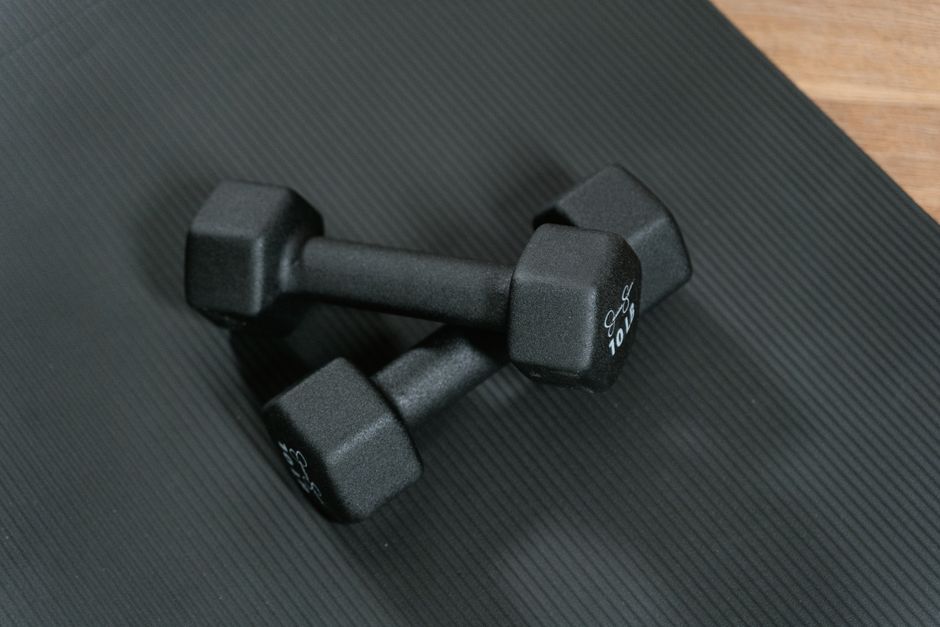
Yes, lifting weights burns calories. In fact, it burns more than many people expect. A typical weightlifting session can burn a meaningful number of calories during the workout itself. But the more important effect happens after you leave the gym. Strength training increases muscle mass, and muscle tissue requires more energy to maintain than fat tissue. This raises your resting metabolic rate, which means you burn more calories around the clock. The science is clear: resistance training is a legitimate and effective tool for calorie expenditure and weight management.
How Many Calories Does Weightlifting Actually Burn?
The number of calories you burn during a weightlifting session depends on several factors. Your body weight matters. The intensity of your workout matters. The amount of rest between sets matters. And the specific exercises you choose matter.
A person weighing about 155 pounds can expect to burn roughly 100 to 200 calories during 30 minutes of moderate weightlifting. That number rises to 200 to 300 calories with vigorous effort and minimal rest. Heavier people burn more. Lighter people burn less. These figures come from established metabolic equivalent (MET) data used widely in exercise science.
Compare that to running. The same 155-pound person burns about 300 calories in 30 minutes of running at a 10-minute mile pace. So cardio burns more during the workout itself. But that comparison misses the bigger picture.
The Afterburn Effect: Calories Burned After Your Workout
Your body continues burning extra calories after you finish lifting weights. This is called excess post-exercise oxygen consumption, or EPOC. During recovery, your body works to restore oxygen levels, repair muscle tissue, and return your system to its normal resting state. All of that work requires energy.
Research consistently shows that resistance training produces a meaningful afterburn effect. Studies have found that EPOC can last anywhere from several hours to more than a day after a challenging strength session. The effect is larger after high-intensity workouts that involve multiple muscle groups and heavy loads.
This is where weightlifting changes the calorie conversation. A cardio session burns more during the workout. But a strength session keeps burning afterward. Over time, those post-workout calories add up.
Muscle Mass and Resting Metabolic Rate
Muscle is metabolically active tissue. It requires energy just to exist. Fat tissue requires very little energy by comparison. When you build muscle through resistance training, your resting metabolic rate increases. This is the number of calories your body burns at complete rest just to keep you alive.
The exact numbers vary by individual. But the principle is well established in exercise physiology. Each pound of muscle burns more calories per day than each pound of fat. Estimates suggest a pound of muscle burns roughly 6 calories per day at rest, while a pound of fat burns about 2 calories per day.
That might sound small. But consider the cumulative effect. Gaining five pounds of muscle raises your daily resting burn by roughly 20 to 30 calories. That is not dramatic. However, the more significant effect comes from the energy cost of building that muscle in the first place and the increased calorie burn during and after workouts.
The bigger point is this: strength training changes your body composition. More muscle and less fat means a higher baseline calorie burn. That makes weight management easier over the long term.





Why Weightlifting Often Beats Cardio for Fat Loss
Many people assume cardio is the only way to lose weight. That assumption is wrong. Research comparing resistance training to aerobic exercise has produced consistent findings.
Some studies indicate that combining weightlifting with cardio produces better body composition changes than either alone. Other research suggests that resistance training alone can produce comparable fat loss to cardio alone, even though the calorie burn during the workouts is lower. How is that possible?
The answer involves the composition of what you lose. Cardio burns calories and can lead to weight loss. But without resistance training, a portion of that weight loss comes from muscle. Losing muscle lowers your resting metabolic rate, which makes continued weight loss harder.
Weightlifting preserves muscle while you lose fat. This keeps your metabolism higher and helps you maintain the weight loss. Some studies indicate that people who lift weights while dieting lose almost exclusively fat, while those who only restrict calories lose both fat and muscle.
How to Maximize Calorie Burn During Weightlifting
Not all weightlifting sessions are equal. How you structure your workout significantly affects the calories you burn. Here are the factors that matter most.
Compound exercises burn more. Movements that use multiple muscle groups require more energy. Squats, deadlifts, lunges, push-ups, rows, and overhead presses all qualify. Isolation exercises like bicep curls burn fewer calories because they involve less muscle mass.
Heavier weights burn more. Lifting heavier loads requires more effort and recruits more muscle fibers. This increases both the immediate calorie burn and the afterburn effect.
Shorter rest periods increase burn. Reducing rest between sets keeps your heart rate elevated. This makes the session more metabolically demanding. A circuit-style workout with 30 to 60 seconds of rest between sets burns significantly more calories than a traditional workout with three-minute rest periods.
More total work means more calories. The total volume of your workout matters. More sets and more repetitions mean more total energy expenditure. This is straightforward math.
Weightlifting vs. Cardio for Overall Health
The choice between weights and cardio is not either-or. Both forms of exercise provide important health benefits that the other cannot fully replace.
Cardio strengthens your heart and lungs. It improves cardiovascular endurance and helps manage blood pressure and blood sugar. Weightlifting builds and preserves muscle, strengthens bones, and improves functional strength. It also helps prevent age-related muscle loss, a condition called sarcopenia that begins in your 30s and accelerates with age.
For most people, the best approach includes both. Current physical activity guidelines recommend adults get at least 150 minutes of moderate aerobic activity per week plus two or more days of muscle-strengthening activity. This combination addresses cardiovascular health and muscle preservation simultaneously.
If your primary goal is fat loss, the evidence supports prioritizing resistance training while maintaining some cardio. The muscle preservation effect of weightlifting makes long-term weight management more sustainable. The cardiovascular benefits of aerobic exercise keep your heart healthy while you work toward your body composition goals.
Common Mistakes That Reduce Calorie Burn
Several common errors can significantly reduce the calorie-burning potential of a weightlifting session.
Resting too long between sets. Sitting for three to five minutes between sets drops your heart rate and reduces the metabolic demand of the workout. Keep rest periods to 60 to 90 seconds for general fitness, or 30 to 60 seconds if fat loss is your primary goal.
Using weights that are too light. If you can complete all your repetitions without struggling, the weight is too light. You should be challenged in the last few repetitions of each set. This ensures you are recruiting enough muscle fibers to stimulate both muscle growth and meaningful calorie expenditure.
Sticking to machines only. Machines have their place, especially for beginners or injury rehabilitation. But free weights require more stabilization and balance, which activates additional muscle fibers and burns more calories.
Finishing your workout before you are actually tired. A productive strength session should leave you feeling that the targeted muscles have been worked. If you leave the gym feeling completely fresh, you likely did not challenge yourself enough to maximize calorie burn.
Frequently Asked Questions
Is weightlifting better than cardio for burning calories?
Cardio burns more calories during the workout itself, but weightlifting produces a longer afterburn effect and builds muscle that raises your resting metabolism. For long-term fat loss, weightlifting has advantages that cardio alone cannot match.
How many calories do you burn in a 30-minute weightlifting session?
A 155-pound person burns roughly 100 to 200 calories during 30 minutes of moderate weightlifting, and 200 to 300 calories with vigorous effort. Your exact number depends on your body weight, the exercises you choose, and how much rest you take between sets.
Do you burn calories after lifting weights?
Yes. Your body continues burning extra calories for hours after a strength session as it repairs muscle tissue and restores normal function. This afterburn effect is one of the main reasons weightlifting is effective for fat loss.
How often should I lift weights to see results?
Most guidelines recommend strength training at least two days per week. For better results, three to four days per week allows you to train each major muscle group with adequate recovery time.
