
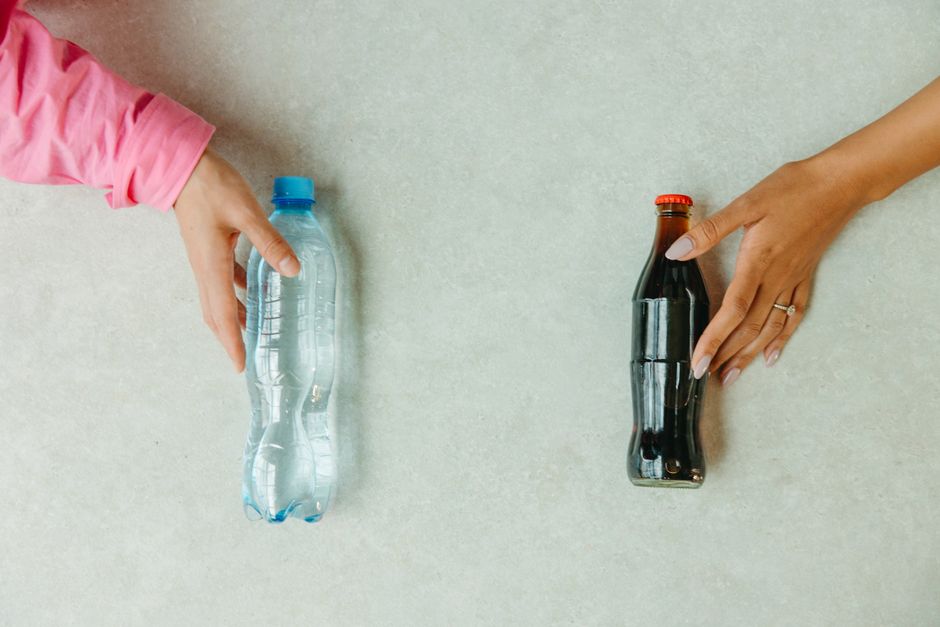
Yes, diet soda can cause gas, bloating, and burping. The carbonation and certain artificial sweeteners are the main culprits. For some people, the combination is enough to trigger noticeable digestive discomfort shortly after drinking.
Why Does Diet Soda Cause Gas And Bloating?
The first reason is the bubbles. Carbonated drinks contain dissolved carbon dioxide gas. When you swallow the liquid, you also swallow some of that gas. It travels down your esophagus and collects in your stomach. Your body needs to release it, which is why you burp.
The second reason is the sweeteners. Many diet sodas use sugar alcohols like sorbitol, mannitol, or xylitol. Your small intestine does not absorb these well. They pass into your large intestine where bacteria ferment them. That fermentation process produces gas, which leads to bloating and flatulence.
Not everyone reacts the same way. Some people can drink diet soda all day with no issues. Others feel bloated after a single can. The difference comes down to your individual digestion and which sweeteners are used.
Which Sweeteners Cause The Most Gas?
Aspartame and sucralose are the most common sweeteners in diet soda. They are not sugar alcohols. They generally cause less gas than sorbitol or mannitol because they are absorbed or broken down differently.
Sorbitol is the biggest offender. It is a sugar alcohol that is poorly absorbed. Even small amounts can cause gas and bloating in sensitive people. Some diet sodas and sugar-free drinks contain sorbitol, though it is more common in sugar-free gum and candy.
Erythritol is another sugar alcohol used in some low-calorie drinks. It is better absorbed than sorbitol, but it can still cause digestive upset in larger amounts. A 2023 study published in the journal Nutrients found that erythritol can cause bloating and nausea when consumed in high doses.
If you are sensitive to sugar alcohols, check the ingredient list. Look for words ending in “-ol.” That is the easiest way to spot them.
Does Carbonation Alone Cause Bloating?
Yes, but the effect is usually temporary. Carbon dioxide gas in the drink expands in your stomach. This stretches the stomach wall and creates pressure. You feel full and bloated. Burping releases some of that pressure.
The gas from carbonation does not travel deep into your intestines. It stays in the stomach and esophagus. That is why carbonated drinks cause burping more than flatulence. The bloating from carbonation fades once you burp or the gas is absorbed into your bloodstream.
Research on carbonated beverages and digestion shows mixed results. Some studies suggest carbonated water can cause bloating in people with functional dyspepsia. Others show no significant effect in healthy people. Your sensitivity matters more than the drink itself.




Can Diet Soda Cause Intestinal Gas And Flatulence?
Yes, when it contains poorly absorbed sweeteners. The gas from carbonation stays in your upper digestive tract. The gas from fermented sweeteners forms in your colon. That is where flatulence comes from.
Here is the key difference. Carbonation causes burping. Fermented sweeteners cause bloating and gas passed from below. If you notice more flatulence after drinking diet soda, the sweetener is likely the cause, not the bubbles.
Sugar alcohols are the most likely to cause this effect. Acesulfame potassium and aspartame are less likely to cause intestinal gas because they do not reach the colon in significant amounts.
Does Diet Soda Affect Digestion Differently Than Regular Soda?
Regular soda contains sugar. Sugar is absorbed in the small intestine. It does not usually cause gas unless you have lactose intolerance or another sugar absorption issue. The main digestive issue with regular soda is the carbonation, which causes burping.
Diet soda has a different problem. The artificial sweeteners can disrupt gut bacteria in some people. Some research suggests that non-nutritive sweeteners may alter the gut microbiome. A 2014 study in Nature found that saccharin changed gut bacteria in mice and some humans, leading to glucose intolerance. The study was small, and the results have been debated since.
What matters for gas and bloating is simpler. If a sweetener is poorly absorbed, it will ferment in the colon and produce gas. This is a mechanical effect, not a microbiome effect. It happens regardless of long-term gut health.
How To Reduce Gas And Bloating From Diet Soda
If you want to keep drinking diet soda but reduce the discomfort, try these steps:
- Drink slowly. Gulping makes you swallow more air.
- Use a straw. This can reduce the amount of air you swallow.
- Choose sodas sweetened with aspartame or sucralose instead of sorbitol or mannitol.
- Limit how much you drink in one sitting. One can is easier to handle than a large bottle.
- Drink at room temperature. Cold drinks can slow stomach emptying, which keeps gas in your stomach longer.
If bloating is severe or persistent, consider cutting out diet soda for two weeks. See if your symptoms improve. This is a simple elimination test that can tell you whether diet soda is the cause.
When Bloating Is Not From Diet Soda
Bloating and gas have many causes. Irritable bowel syndrome (IBS), celiac disease, lactose intolerance, and small intestinal bacterial overgrowth (SIBO) can all cause similar symptoms. If you have bloating even when you do not drink diet soda, the problem may be something else.
Talk to a doctor if your bloating is severe, painful, or accompanied by weight loss, diarrhea, or blood in your stool. These symptoms warrant a medical evaluation. Do not assume diet soda is the only explanation.
Keep a food diary for a week. Write down what you eat and drink, and note when bloating happens. Patterns become clear quickly. This information is useful when you talk to a healthcare provider.
Are Sugar-Free Drinks Better For Digestion Than Diet Soda?
Not necessarily. Sugar-free drinks can contain the same artificial sweeteners as diet soda. The difference is often just marketing. Some sparkling waters use stevia or erythritol, which can cause gas in sensitive people.
Plain water is the only drink that reliably causes no gas or bloating. Herbal teas are also well tolerated by most people. If you are prone to bloating, these are the safest choices.
Some people find that sparkling water causes less bloating than diet soda. That may be because sparkling water has no sweeteners. The carbonation still causes burping, but there is no fermentation gas from sweeteners.
Frequently Asked Questions
Does diet soda cause burping?
Yes, the carbonation in diet soda causes burping. When you swallow the drink, you also swallow carbon dioxide gas that collects in your stomach and needs to be released.
Which diet soda sweetener causes the most bloating?
Sorbitol causes the most bloating because it is poorly absorbed and ferments in the colon. Aspartame and sucralose are less likely to cause gas.
How long does bloating from diet soda last?
Bloating from carbonation usually passes within an hour. Bloating from fermented sweeteners can last several hours until the gas is passed.
Is diet soda or regular soda worse for bloating?
Diet soda is often worse because it combines carbonation with poorly absorbed sweeteners. Regular soda mainly causes burping from carbonation, while diet soda can also cause intestinal gas.
