

Bloating and gas are uncomfortable, and what you eat plays a direct role in both causing and relieving them. While there is no single food that instantly “cures” bloating, certain foods can actively help reduce gas by supporting digestion, moving fluid through your system, or feeding the good bacteria in your gut. The most reliable approach is to eat foods that are easy to digest, high in water, and rich in specific nutrients like potassium and magnesium, while giving your digestive system a break from foods that are known to ferment heavily in the gut.
What Foods Get Rid Of Gas And Bloating?
Foods that get rid of gas and bloating are generally those that are low in fermentable carbohydrates, high in water, or contain natural compounds that ease digestion. Cucumbers, bananas, ginger, and fennel are among the most effective choices because they either reduce water retention, relax the digestive tract, or help move gas along. These foods do not trap air in the gut the way some beans, cruciferous vegetables, or carbonated drinks do.
The mechanism is straightforward. Bloating often happens when undigested carbohydrates sit in the colon and ferment, producing gas. Foods that are easily absorbed in the small intestine leave less residue for bacteria to ferment. Foods with high water content also help prevent constipation, which is a common hidden cause of bloating. When stool moves regularly, gas has less chance to build up and stretch the intestinal walls.
Why Do Some Foods Cause Bloating In The First Place?
To understand which foods help, you need to know which ones hurt. Many healthy foods are actually the biggest culprits. Beans, lentils, broccoli, cabbage, onions, and garlic contain complex sugars called oligosaccharides that the human small intestine cannot digest. They pass into the colon intact, where gut bacteria ferment them and produce gas as a byproduct. This is a normal biological process, not a sign of disease, but it can cause significant discomfort.
Carbonated drinks introduce air directly into your stomach. Chewing gum and drinking through a straw also make you swallow air. Artificial sweeteners like sorbitol and mannitol are poorly absorbed and draw water into the gut, which can cause both gas and bloating. High-fat meals slow stomach emptying, giving food more time to ferment. Recognizing these triggers helps you choose the right replacement foods.
There is also a timing factor. Eating too quickly, not chewing thoroughly, or eating large meals can overwhelm the digestive system regardless of what you eat. The physical act of eating matters as much as the food itself. Slowing down and chewing food thoroughly reduces the workload on your stomach and small intestine, which can prevent gas from forming in the first place.
The Best Foods For Immediate Relief
Some foods work faster than others. Ginger is one of the most studied. Research has shown that ginger contains compounds called gingerols and shogaols that help speed up gastric emptying. This means food moves out of the stomach and into the small intestine more quickly, leaving less time for gas to accumulate. A cup of warm ginger tea after a meal is a practical way to use this.
Fennel seeds have a long history of use for digestive complaints. They contain anethole, a compound that relaxes the smooth muscle of the intestinal tract. This relaxation allows trapped gas to move through and pass more easily. Chewing a small spoonful of fennel seeds after a meal is a traditional remedy that has some scientific support.
Bananas are another useful choice. They are rich in potassium, an electrolyte that helps balance sodium levels in the body. When sodium is high relative to potassium, your body retains water, which contributes to bloating. Eating a banana can help restore that balance and reduce water retention. Bananas are also low in fermentable carbohydrates compared to many other fruits, so they are less likely to cause gas themselves.
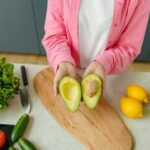
Cucumber is mostly water, which makes it naturally hydrating. It also contains a flavonoid called fisetin that has mild anti-inflammatory properties. While the evidence for fisetin specifically reducing bloating is limited, the high water content and low fiber load make cucumber an easy food for the digestive system to handle.


Foods That Support Long-Term Digestive Health
Relief that lasts longer than a few hours comes from supporting the gut environment itself. Yogurt with live cultures, kefir, and other fermented foods introduce beneficial bacteria into the colon. These bacteria help break down food more efficiently over time. The evidence for probiotics reducing bloating is mixed, but some studies suggest that specific strains like Bifidobacterium lactis and Lactobacillus acidophilus can reduce bloating in people with irritable bowel syndrome. The key is that these effects build over weeks, not minutes.
Papaya contains an enzyme called papain that helps break down proteins. This reduces the amount of undigested protein that reaches the colon, where it could otherwise ferment. Pineapple contains bromelain, a similar enzyme with anti-inflammatory properties. Both fruits are worth including in your diet regularly, though they are not immediate fixes.
Oats are a gentler source of fiber than many other grains. They contain beta-glucan, a soluble fiber that absorbs water and softens stool. This helps prevent constipation, which is a major cause of bloating for many people. Unlike wheat bran, which can irritate a sensitive gut, oats are generally well tolerated. Starting the day with oatmeal rather than a high-fiber cereal can make a noticeable difference for people prone to bloating.
What About The Low-FODMAP Diet?
The low-FODMAP diet is the most evidence-based dietary approach for managing gas and bloating. FODMAP stands for fermentable oligosaccharides, disaccharides, monosaccharides, and polyols. These are short-chain carbohydrates that are poorly absorbed in the small intestine. The diet was developed by researchers at Monash University in Australia, and it has been validated in multiple clinical trials for people with irritable bowel syndrome.
The diet has three phases. The first phase eliminates all high-FODMAP foods for two to six weeks. The second phase reintroduces them one at a time to identify which specific carbohydrates trigger symptoms. The third phase creates a personalized long-term diet that avoids only the foods that cause problems. This is not a diet you should stay on indefinitely, because many high-FODMAP foods are also prebiotics that feed beneficial gut bacteria.
Foods that are low in FODMAPs include rice, oats, quinoa, bananas, blueberries, oranges, carrots, zucchini, spinach, and firm tofu. These are safe choices when you are actively bloated and want to avoid making it worse. A full list is available from Monash University, which maintains the most current and accurate database.
Hydration And Its Role In Bloating
Drinking enough water seems counterintuitive when you feel bloated, but it is one of the most effective strategies. When you are dehydrated, your body holds onto sodium and water. This fluid retention makes bloating worse. Drinking water helps your kidneys flush excess sodium and fluid out of your system.
Water also prevents constipation. Stool that sits in the colon too long allows gas to accumulate behind it. Adequate hydration keeps stool soft and moving. The general recommendation is about eight glasses of water per day, but your needs depend on your body size, activity level, and climate. A simple check is the color of your urine. Pale yellow generally indicates good hydration.
Herbal teas count toward your fluid intake and add specific benefits. Peppermint tea contains menthol, which relaxes the muscles of the digestive tract. This can help gas pass more quickly. Chamomile tea has anti-inflammatory properties and may reduce the muscle spasms that contribute to cramping and bloating. Both are excellent choices after meals.
Foods To Avoid When You Are Already Bloated
When you are actively bloated, certain foods will make it worse. Beans and lentils are the most common offenders because of their high oligosaccharide content. Cruciferous vegetables like broccoli, cauliflower, and Brussels sprouts contain raffinose, another indigestible sugar. Onions and garlic contain fructans, which are also poorly absorbed. Carbonated drinks introduce gas directly into your stomach.
Dairy products can be problematic if you have lactose intolerance. Lactose is a disaccharide that requires the enzyme lactase to digest. Many adults produce less lactase as they age, which means undigested lactose reaches the colon and ferments. If you notice bloating after milk, cheese, or ice cream, lactose intolerance may be the cause.
Chewing gum and hard candies are double problems. They make you swallow air, and many are sweetened with sorbitol or xylitol, which are poorly absorbed polyols. Salty foods cause water retention, which contributes to the physical sensation of bloating. Processed snacks, canned soups, and deli meats are typically high in sodium.
Frequently Asked Questions
How quickly can food relieve bloating?
Some foods like ginger and peppermint tea can provide relief within 30 to 60 minutes by relaxing the digestive tract and speeding up gastric emptying. Other foods like bananas and cucumbers work over a few hours by balancing fluids and supporting regular bowel movements.
Is the low-FODMAP diet safe to try on my own?
The elimination phase is restrictive and can lead to nutrient deficiencies if followed for too long, so it is best done with guidance from a registered dietitian. You should not stay on the elimination phase for more than six weeks without professional supervision.
Can drinking more water actually reduce bloating?
Yes, drinking water helps your kidneys flush excess sodium and prevents constipation, both of which reduce bloating. Dehydration causes your body to retain fluid, which makes bloating worse.
Does exercise help with gas and bloating?
Light physical activity like walking helps stimulate intestinal contractions, which moves gas through the digestive tract more quickly. Even a 10 to 15 minute walk after a meal can provide noticeable relief.
