
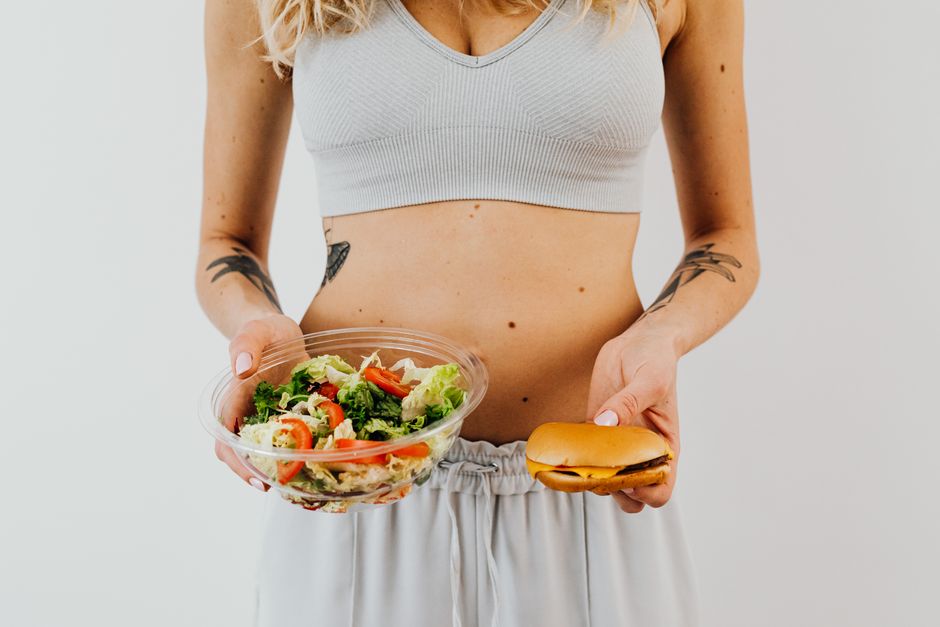
Bloating is uncomfortable, and most people want relief now, not in a week. The fastest way to stop bloating depends on the cause, but water, gentle movement, and avoiding gas-producing foods are the first steps. For persistent bloating, dietary changes and certain supplements can help, but they take more time to work than a quick walk or a glass of water. This guide explains what works fast, what works over time, and what the evidence actually supports.
What Causes Bloating in the First Place?
Bloating is the feeling of fullness or tightness in the abdomen. It often comes with visible swelling. The most common cause is gas trapped in the digestive tract. This gas comes from swallowed air or from bacteria in the colon breaking down undigested food.
Another cause is fluid retention. Hormonal changes, high sodium intake, and certain medications can make your body hold onto water. Constipation is also a major factor. When stool moves slowly, it gives bacteria more time to ferment food, which produces more gas.
Sometimes bloating is a sign of a deeper issue. Irritable bowel syndrome (IBS), celiac disease, small intestinal bacterial overgrowth (SIBO), or food intolerances can all cause chronic bloating. If bloating is severe, painful, or comes with weight loss or blood in the stool, see a doctor.
How To Stop Bloating Fast: Immediate Relief Strategies
When you need relief within the hour, focus on these methods. They address the physical mechanics of trapped gas and fluid.
Drink water. If your bloating is from constipation or high sodium, water helps flush the system. Sip slowly. Gulping large amounts can add swallowed air.
Move your body. A 10 to 15 minute walk stimulates intestinal contractions. This helps move gas along. Gentle yoga poses like child’s pose or knees-to-chest can also release trapped gas.
Try abdominal massage. Lie down and press gently on your abdomen in a clockwise direction. This follows the path of your colon and can encourage gas movement.
Take a warm bath or use a heating pad. Heat relaxes the muscles of the abdominal wall. This can reduce the sensation of pressure even if the gas is still present.
Try peppermint tea. Peppermint has antispasmodic properties. It can relax the smooth muscle of the digestive tract. Some research supports its use for IBS symptoms, but the evidence for acute bloating relief is limited.
These strategies work for gas-related bloating. They will not help if the bloating comes from fluid retention or an underlying medical condition. If you have no relief after these steps, the cause may not be simple gas.
Which Foods Cause Bloating and Which Foods Help?
Certain foods are well-known gas producers. They contain carbohydrates that the small intestine does not fully absorb. When these reach the colon, bacteria ferment them and produce gas.
Common gas-producing foods include:
- Beans and lentils
- Broccoli, cabbage, and cauliflower
- Onions and garlic
- Carbonated drinks
- Apples and pears
- Dairy products if you are lactose intolerant
- Chewing gum and hard candy (they make you swallow air)
These foods are not bad for you. They are healthy sources of fiber and nutrients. But if you are bloated right now, avoid them for the next few hours.
Foods that are easier on the digestive tract include:
- Bananas (they contain potassium, which helps balance sodium)
- Asparagus and cucumber (high water content)
- Ginger (may speed gastric emptying)
- Fennel seeds (traditional remedy for gas, though clinical evidence is limited)
- Plain white rice (low in fermentable carbohydrates)
- Lean protein like chicken or fish
For long-term prevention, pay attention to which foods reliably cause bloating for you. Food tolerance is highly individual. A food that bloats one person may be fine for another. Keeping a simple food diary for two weeks can reveal patterns that are hard to see otherwise.



What About the Low-FODMAP Diet?
The low-FODMAP diet is one of the most studied dietary approaches for bloating. FODMAP stands for fermentable oligosaccharides, disaccharides, monosaccharides, and polyols. These are short-chain carbohydrates that are poorly absorbed in the small intestine.
When you eat high-FODMAP foods, the undigested carbohydrates travel to the colon. Bacteria ferment them, producing gas and drawing water into the bowel. This leads to bloating, distension, and discomfort.
Research has consistently shown that a low-FODMAP diet reduces bloating in many people with IBS. Some studies suggest that about 50 to 80 percent of people with IBS improve on this diet. The numbers vary because studies use different methods and definitions.
The low-FODMAP diet is not meant to be followed forever. It has three phases:
- Elimination: remove all high-FODMAP foods for 2 to 6 weeks
- Reintroduction: add foods back one at a time to find your triggers
- Personalization: build a long-term diet that avoids only your specific triggers
This approach is complex. Working with a registered dietitian who specializes in digestive health is strongly recommended. Doing it wrong can lead to nutritional deficiencies, especially if you cut out entire food groups without a plan.
The low-FODMAP diet is not for everyone. If your bloating is not related to fermentable carbohydrates, this diet will not help. And for people without IBS, the evidence is much less clear.
Which Supplements Actually Work for Bloating?
The supplement market for bloating is large and mostly unproven. However, a few supplements have meaningful clinical evidence behind them. Here is what the research shows.
Simethicone. This is the active ingredient in products like Gas-X. It works by breaking up gas bubbles in the digestive tract, making them easier to pass. It does not reduce gas production. It only helps with gas that is already there. Clinical evidence for its effectiveness is mixed, but many people find it helpful for acute bloating.
Peppermint oil. Enteric-coated peppermint oil capsules have been studied for IBS symptoms, including bloating. The coating prevents the oil from releasing in the stomach, where it can cause heartburn. Some meta-analyses have found it reduces overall IBS symptoms, but results for bloating specifically are variable. It is not a fast-acting remedy. It works best when taken regularly over several weeks.
Probiotics. The evidence for probiotics and bloating is genuinely mixed. Some strains appear to help certain people, but no single strain works for everyone. The research landscape is complicated because different studies use different strains, doses, and durations. Some people report that probiotics worsen their bloating at first. If you try a probiotic, give it at least 4 weeks and track your symptoms. If it does not help, try a different strain or stop.
Digestive enzymes. These are marketed heavily for bloating. The evidence is limited. Alpha-galactosidase, found in products like Beano, breaks down complex carbohydrates in beans and vegetables. Some small studies show it reduces gas after eating these foods. Lactase supplements help people with lactose intolerance digest dairy. For other enzyme blends, there is no strong evidence of benefit.
Activated charcoal. Some people use this for gas. It can bind to gas in the gut, but it also binds to medications and nutrients. Clinical evidence for bloating relief is very limited. It can turn your stool black and interfere with prescription medications. Talk to a pharmacist before trying it.
No supplement is a cure for bloating. If you have chronic bloating, supplements treat the symptom, not the cause. They are most useful when combined with dietary and lifestyle changes.
How To Stop Bloating Fast Diet Supplements More: The Complete Approach
There is no single magic fix for bloating. The fastest relief comes from addressing the immediate mechanics: moving gas out and reducing fluid retention. The lasting relief comes from identifying your personal triggers and changing how you eat.
For fast relief, the order of operations matters. Start with a short walk and a glass of water. If that does not help within 30 minutes, try simethicone or abdominal massage. Avoid eating more food until the bloating settles.
For long-term prevention, look at your eating habits. Eat slowly and chew thoroughly. Eating too fast makes you swallow air. Do not talk while chewing. Avoid drinking through straws, which also adds air.
Be consistent with meals. Eating at regular times helps your digestive system work predictably. Large meals can overwhelm the digestive tract and cause bloating. Smaller, more frequent meals are easier for many people to handle.
Exercise regularly. Physical activity keeps the digestive tract moving. Even 20 minutes of moderate activity most days can reduce bloating frequency. The effect is not immediate but builds over weeks.
Sleep matters more than most people realize. Poor sleep is linked to more digestive symptoms, including bloating. The connection is not fully understood, but stress and sleep quality both influence gut function.
If you have tried dietary changes and supplements for several weeks without improvement, see a healthcare provider. Chronic bloating can be a sign of conditions that need medical treatment. Blood tests can check for celiac disease. Breath tests can identify lactose intolerance or SIBO. A doctor can help you sort out which tests are worth doing.
When Bloating Is Not Normal
Most bloating is temporary and harmless. But some situations need medical attention.
Seek care if bloating comes with:
- Severe abdominal pain
- Blood in the stool
- Unexplained weight loss
- Persistent vomiting
- Fever
- Bloating that lasts more than a few days without relief
For women, bloating that worsens over time or feels different from normal menstrual bloating should be discussed with a doctor. Ovarian cancer is rare, but persistent bloating is one of its possible early signs. Most bloating is not cancer, but ruling it out matters.
Sudden and severe bloating with pain could signal a bowel obstruction or other emergency. Do not try to treat this at home. Go to urgent care or the emergency room.
Bloating is rarely dangerous. But it is a real symptom that deserves proper attention when it persists. Your body is telling you something is off. The honest answer is that figuring out what, exactly, takes time and sometimes medical help.
Frequently Asked Questions
What is the fastest way to get rid of bloating?
Walking for 10 to 15 minutes and drinking water are the fastest ways to relieve gas-related bloating. Simethicone products can also help by breaking up gas bubbles already in your digestive tract.
Does drinking water help with bloating?
Yes, water helps if your bloating is from constipation or high sodium intake. It moves things through your digestive tract and helps your kidneys flush excess fluid.
Can probiotics make bloating worse?
Yes, some people experience temporary worsening of bloating when starting probiotics. This usually settles within a few days, but if it persists beyond two weeks, stop taking them and try a different strain or stop entirely.
Is bloating a sign of a serious medical condition?
Most bloating is not serious, but persistent bloating with pain, weight loss, or blood in the stool needs medical evaluation. These symptoms can indicate conditions like IBS, celiac disease, or other digestive disorders that require proper diagnosis.
