
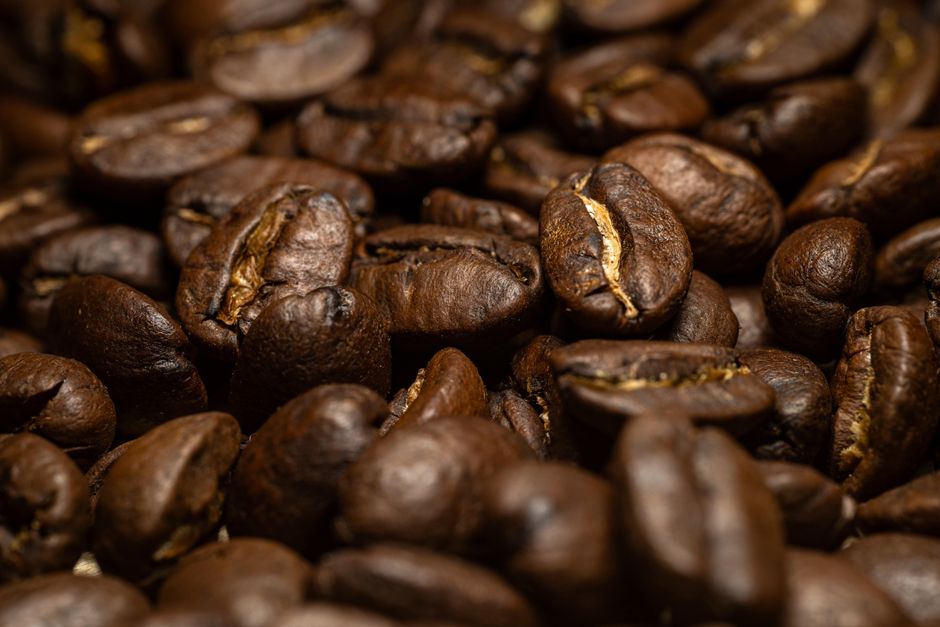
If you are standing in the coffee aisle trying to decide between a dark roast and a light roast for a bigger caffeine kick, the answer is probably the opposite of what you expect. Dark roast coffee does not have more caffeine than light roast. In fact, when you measure by scoop, light roast coffee usually has slightly more caffeine than dark roast. The reason comes down to how roasting changes the weight and density of the bean, not the caffeine itself.
Does Dark Roast Coffee Have More Caffeine?
No. Dark roast coffee does not have more caffeine than light roast. The idea that darker means stronger in caffeine is one of the most common coffee myths.
What dark roasting actually changes is flavor and color, not caffeine content. Caffeine is a remarkably stable molecule. It survives the roasting process largely intact, even at the high temperatures used to produce dark roasts. So the caffeine that was in the green coffee bean before roasting is still there after roasting.
Here is where the confusion starts. Dark roast beans lose more moisture and expand during roasting, which makes them less dense. If you measure coffee by weight, a dark roast and a light roast of the same origin contain nearly identical caffeine. But most people measure by scoop or spoon, not by weight. A scoop of light roast holds more beans because the beans are denser. More beans means more caffeine. That is the entire reason light roast often wins by the scoop.
So the honest answer has two parts. By weight, the difference is negligible. By volume, light roast typically edges out dark roast.
Why Do People Think Dark Roast Has More Caffeine?
The myth likely comes from equating darker color and bolder flavor with more strength. Dark roast coffee tastes more intense. It has a heavier, smokier, more bitter flavor profile. Our brains naturally connect that intensity with a bigger jolt.
But flavor intensity and caffeine content are two separate things. The bold taste of dark roast comes from compounds created during roasting, not from caffeine. As beans roast longer, sugars caramelize and oils migrate to the surface of the bean. These changes create the deep, rich taste people associate with dark roast.
Caffeine itself is bitter, but it contributes only a small part of coffee’s overall bitterness. The bitterness in dark roast comes mostly from roasting byproducts, not caffeine. So a dark roast can taste much stronger while containing the same or slightly less caffeine than a milder-tasting light roast.
There is also a common mix-up between roast level and brew strength. A strong cup of coffee usually means more coffee grounds per unit of water, not a darker roast. You can make a weak dark roast or a strong light roast. Roast level and brew strength are unrelated variables.
How Roasting Affects Caffeine: What Actually Happens
Caffeine is thermally stable at the temperatures used in coffee roasting, which typically range from about 350°F to 480°F depending on the roast profile. The molecule does not break down in any meaningful way during a normal roast.
What does change is the bean’s physical structure:
- Beans lose moisture and carbon dioxide during roasting, so they become lighter by weight.
- They expand in size, which lowers their density.
- Oils move to the surface, especially in darker roasts.
Because dark roast beans are less dense, the same volume of coffee holds fewer beans and therefore less caffeine. This is the key mechanism. The caffeine concentration per bean stays roughly the same, but you fit fewer beans into your scoop when the beans are bigger and lighter.
One nuance worth knowing: caffeine content varies far more by coffee species and growing conditions than by roast level. Arabica beans generally contain less caffeine than Robusta beans. A dark roast Robusta could easily out-caffeine a light roast Arabica. So if caffeine is your goal, the bean type matters more than the roast color.

Does Brewing Method Matter More Than Roast?
Yes. Brewing method affects caffeine content far more than roast level does. How much coffee you use, how long it contacts the water, and the water temperature all play bigger roles than whether the beans were roasted light or dark.
Here is a general comparison of caffeine by brewing method. These are approximate ranges, since actual amounts depend on the specific coffee, dose, and preparation.
| Brew Method | Typical Serving Size | Approximate Caffeine |
|---|---|---|
| Drip coffee | 8 oz | 95-165 mg |
| Espresso | 1 oz shot | ~63 mg |
| Cold brew | 8 oz | Varies widely, often 100-200 mg |
| Instant coffee | 8 oz | ~30-90 mg |
| Decaf | 8 oz | ~2-15 mg |
These ranges come from general food composition data and vary by brand and preparation. The point is that switching from dark to light roast changes caffeine by a small amount. Switching from espresso to a large drip coffee changes it a lot.
Espresso deserves a note. People assume espresso is the most caffeinated option because it tastes so concentrated. Per ounce, it is. But a single shot is only about one ounce, so it often contains less caffeine than a standard cup of drip coffee.
Light Roast vs Dark Roast: What the Difference Really Is
The real difference between light and dark roast is flavor, aroma, and acidity, not caffeine. Roasting develops hundreds of aromatic compounds that shape how coffee tastes and smells.
Light roasts are roasted for less time and at lower final temperatures. They tend to taste brighter, more acidic, and more fruity or floral. They retain more of the bean’s original character.
Dark roasts are roasted longer and hotter. They taste bolder, smokier, and more bitter, with less acidity. The roasting flavors start to dominate the bean’s original flavors.
For people sensitive to acid, dark roast is sometimes easier on the stomach because longer roasting reduces some of the acidic compounds. That is a separate issue from caffeine, though. If you are choosing a roast for stomach comfort, that is a flavor and acidity decision, not a caffeine one.
How Much Caffeine Is in Your Coffee, Really?
If you want to know your actual caffeine intake, roast level is a minor factor. The bigger influences are serving size, coffee-to-water ratio, bean type, and brewing method.
For general reference, most health authorities consider moderate caffeine intake to be up to about 400 mg per day for healthy adults. That is roughly the amount in four 8-ounce cups of drip coffee, though it varies by brew. Pregnant women are generally advised to limit caffeine to about 200 mg per day. These figures come from widely cited public health guidance.
If you are trying to cut caffeine, switching to dark roast will not do much. You would get more benefit from:
- Using less coffee per cup
- Choosing a smaller serving size
- Switching to decaf or half-caf
- Picking Arabica over Robusta
If you are trying to maximize caffeine, the reverse applies. Use more grounds, choose Robusta, or pick a brewing method that extracts more, like drip or cold brew. Roast color is close to irrelevant here.
The Bottom Line on Dark Roast and Caffeine
Dark roast coffee does not have more caffeine than light roast. By weight, they are nearly the same. By scoop, light roast usually has slightly more because the beans are denser and you fit more of them into your measuring spoon.
The myth persists because dark roast tastes stronger, and we tend to link bold flavor with a bigger caffeine hit. Those two things are not connected. If caffeine is what you care about, look at your bean type, your dose, and your brewing method. The color of the roast is one of the smallest levers you can pull.
So drink the roast you actually enjoy. If you love dark roast for its deep, smoky flavor, keep drinking it. Just do not choose it expecting a bigger buzz, because the evidence does not support that.
Frequently Asked Questions
Does dark roast coffee have more caffeine than light roast?
No. Dark roast does not have more caffeine than light roast. By weight they are nearly identical, and by scoop light roast often has slightly more because its denser beans pack more tightly.
Why does dark roast taste stronger if it has less caffeine?
Dark roast tastes stronger because roasting creates bitter, smoky compounds and brings oils to the surface of the bean. Caffeine contributes only a small part of coffee’s bitterness, so bold flavor does not mean more caffeine.
Which coffee has the most caffeine?
Caffeine depends mostly on bean type and brewing method, not roast. Robusta beans contain more caffeine than Arabica, and drip or cold brew methods typically extract more caffeine per serving than a single espresso shot.
Is light roast coffee healthier than dark roast?
Both contain similar caffeine, and both contain antioxidants, though the types and amounts shift with roasting. No strong evidence shows one roast is clearly healthier than the other for most people.
