
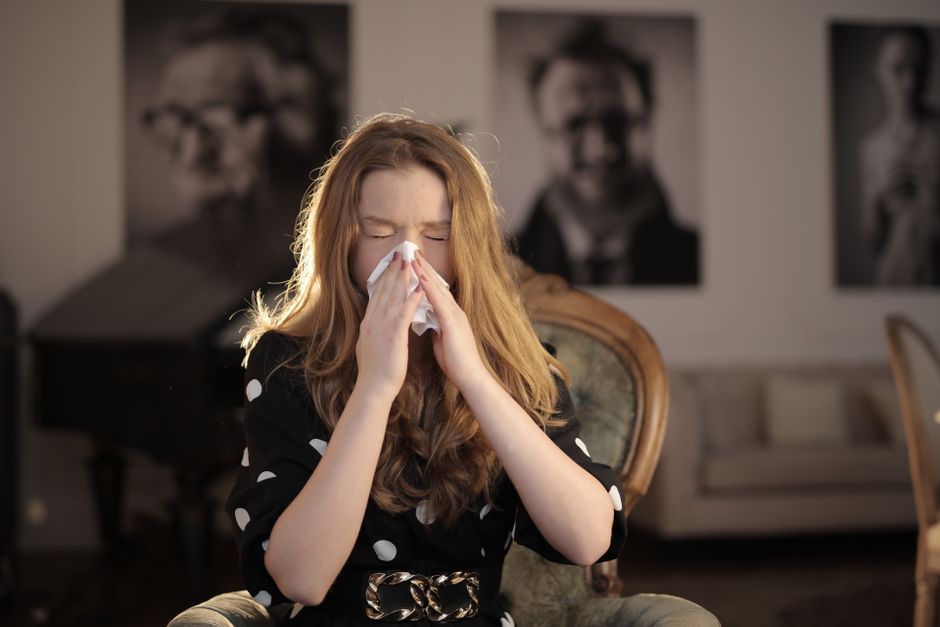
Sneezing and a runny nose usually mean your nasal passages are irritated, and your body is trying to flush something out. The most common causes are allergies, a cold or other viral infection, and irritants like smoke, dust, or strong smells. Most cases are not serious, and the pattern of your symptoms often points to the cause.
Your nose is doing exactly what it evolved to do. It filters, warms, and moistens the air you breathe. When it detects something it considers a threat, it responds fast. Sneezing is a reflex that expels irritants. A runny nose, called rhinorrhea in medical terms, is fluid and mucus production ramping up to wash the passages clean.
The key to figuring out why this is happening to you is timing and pattern. When do symptoms start? How long do they last? What makes them better or worse? Those answers narrow the cause faster than almost anything else.
Why Am I Sneezing So Much And Have A Runny Nose?
Sneezing happens when something stimulates the nerve endings inside your nose. That signal travels to the brainstem, which triggers the sneeze reflex. Air is forced out of your lungs at high speed to clear the irritant. A runny nose often happens alongside it because the same trigger sets off mucus production and fluid leakage from blood vessels in the nasal lining.
The two symptoms travel together because they share the same underlying mechanism: nasal irritation. When the lining of your nose is inflamed, you get both. That is why so many different conditions produce this exact pair of symptoms.
Here is a useful distinction. A runny nose from allergies or a cold is usually clear and watery. Mucus that turns thick and yellow or green is not automatically a sign of bacterial infection. It often just reflects immune cells and mucus mixing as a normal part of the response. Color alone does not tell you whether you need antibiotics.
What Are The Most Common Causes Of Sneezing And A Runny Nose?
Allergies and viral infections account for the large majority of cases. Beyond those two, irritants and a few structural issues explain most of the rest.
Allergic rhinitis is the medical term for allergy symptoms in the nose. When you breathe in pollen, dust mites, pet dander, or mold spores, your immune system mistakes them for threats. It releases histamine and other chemicals that cause sneezing, itching, and a watery runny nose. Allergic rhinitis is very common and often runs in families.
The common cold and other viral upper respiratory infections are the other big cause. Viruses infect the lining of your nose and throat, and your immune response produces mucus and swelling. Cold symptoms usually build over a day or two and improve within about a week to ten days. That timeline is well established.
Irritants cause symptoms without an immune reaction. Cigarette smoke, strong perfumes, cleaning fumes, cold dry air, and air pollution can all trigger sneezing and a runny nose directly by stimulating nerve endings.
Other causes are less common but worth knowing:
- Non-allergic rhinitis, where the nose reacts to triggers like temperature changes, spicy food, or medications without any allergy
- Medication side effects, particularly from some blood pressure drugs
- Hormonal changes, including during pregnancy
- Structural issues like a deviated septum or nasal polyps
- Rebound congestion from overusing decongestant nasal sprays
How Can You Tell Allergies From A Cold?
Allergies and colds look similar, but a few patterns separate them reliably. The biggest clue is whether you have itching and whether you have a fever.
Allergies rarely cause fever. They often cause itchy eyes, an itchy nose or roof of the mouth, and repeated bursts of sneezing. Symptoms tend to be consistent day to day and last as long as you are exposed to the trigger. Seasonal allergies follow the pollen calendar. Year-round allergies point to indoor triggers like dust mites or pets.
Colds usually come with a sore throat, body aches, and sometimes a low fever. Symptoms build, peak, and then fade over roughly a week. They do not linger for weeks at the same intensity unless something else is going on.
One detail people often miss: allergy symptoms usually start within minutes of exposure and can last hours. Cold symptoms take a day or more to develop after you catch the virus. That difference in timing is a strong signal.





When Should You See A Doctor?
Most sneezing and runny nose episodes do not need medical care. Some situations do warrant a call or visit.
See a doctor if you have a fever above 100.4°F (38°C), symptoms that last more than ten days without improving, or symptoms that improve and then get worse again. The second pattern can suggest a secondary infection.
Get medical attention promptly for:
- Difficulty breathing or shortness of breath
- Facial pain or pressure, especially around the eyes or cheeks
- Thick discharge from one side of the nose only, particularly with blood
- Severe headache or vision changes
- Symptoms in an infant under three months old
For children and infants, thresholds for concern differ from adults. If a young child is struggling to feed, is unusually sleepy, or is breathing fast, seek care rather than waiting.
What Actually Helps Relieve Symptoms?
For allergies, avoiding the trigger is the most direct step, though it is not always practical. Reducing indoor dust, keeping windows closed during high pollen days, and washing bedding regularly can lower exposure. Some people find saline nasal rinses helpful for flushing irritants out. Use distilled, sterile, or previously boiled water for rinses, never untreated tap water.
Antihistamines are commonly used for allergy symptoms. Some are available over the counter, and some cause drowsiness while others do not. Which one suits you depends on your symptoms and health history, so a pharmacist or clinician is the right person to ask.
For colds, the evidence for most over-the-counter remedies is modest. Rest, fluids, and time do most of the work. Decongestant nasal sprays can help short-term but should not be used for more than a few days, because longer use can cause rebound congestion that is worse than the original problem.
For irritant-triggered symptoms, removing the trigger is the main fix. That may mean avoiding smoke, improving ventilation, or using a humidifier in dry air.
No clinical evidence currently confirms that supplements, homeopathic products, or “immune boosters” shorten a cold or stop allergy symptoms. Be cautious with marketing claims in this space.
Can You Prevent Sneezing And A Runny Nose?
You cannot prevent every episode, but you can reduce how often and how severely they happen. The approach depends on the cause.
For allergies, tracking pollen counts and limiting outdoor time on high days helps. Showering after being outdoors removes pollen from your skin and hair. Keeping pets out of the bedroom reduces overnight exposure. These steps are widely recommended and low risk.
For colds, handwashing remains the most reliable prevention. Respiratory viruses spread through droplets and contaminated surfaces.
For irritant-related symptoms, avoiding tobacco smoke and improving indoor air quality are the main levers. If you notice symptoms reliably tied to a specific product or environment, that is your answer.
If symptoms keep returning without a clear trigger, it is worth seeing a clinician. Persistent nasal symptoms can have causes that need proper evaluation, including structural issues or non-allergic rhinitis.
Frequently Asked Questions
How long does a runny nose usually last?
A runny nose from a cold typically improves within about a week to ten days. Allergy-related runny nose lasts as long as you are exposed to the trigger.
Does yellow or green mucus mean I need antibiotics?
No. Mucus color alone does not indicate a bacterial infection, and most colds are viral. A clinician decides whether antibiotics are appropriate based on the full picture.
Can sneezing be a sign of something serious?
Sneezing itself is rarely serious and is usually a normal reflex. Seek care if it comes with trouble breathing, high fever, facial pain, or symptoms that keep getting worse.
Why does my nose run when I eat spicy food?
Spicy foods stimulate nerve endings in the nose that trigger fluid production. This is a normal reflex and is a common form of non-allergic rhinitis.
