
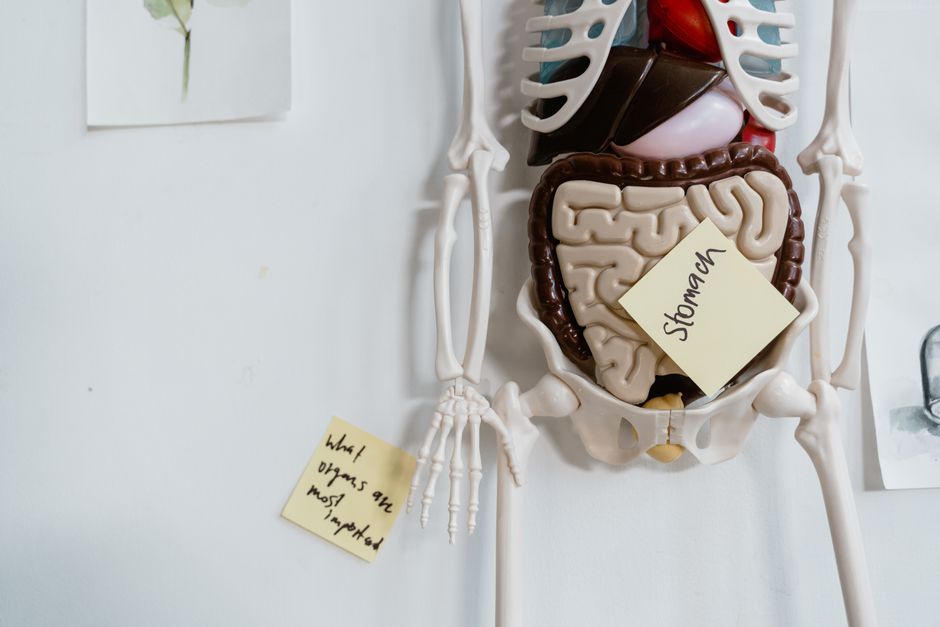
Creatine does not make you bloated in the way most people think. The puffiness or water retention some people notice in the first week is temporary and not actual fat gain. It is a normal response to your muscles pulling in extra water to store the creatine. For most people this effect is small and goes away within a few weeks.
What Actually Causes the Puffy Feeling?
Creatine pulls water into your muscle cells. This is called intracellular water retention. Your muscles hold more fluid inside them which makes them look fuller and slightly larger.
This is not the same as bloating. Bloating usually means gas or water sitting in your stomach or under your skin. Creatine does not cause that. The water goes into the muscle tissue itself. That is why your arms or legs might look slightly bigger but your stomach stays the same.
Some people mistake this muscle fullness for bloating. If you step on the scale and see a few extra pounds in the first week that is water weight inside your muscles not fat. Research shows this effect is dose dependent. People who take a loading phase of 20 grams per day often notice more water retention than people who start with a standard 3 to 5 gram daily dose.
Does Creatine Make You Bloated in the Stomach?
Stomach bloating from creatine is different from muscle water retention. Some people report feeling gassy or having an upset stomach when they start taking it. This is not the creatine itself causing bloating. It is usually the way people take it.
Mixing creatine with too little water can cause stomach discomfort. Taking it on an empty stomach can also cause issues for some people. The most common cause is using a loading phase where you take large amounts at once. Your digestive system has to process a lot of powder which can lead to gas and cramping.
Current research suggests that splitting your dose throughout the day and drinking enough water prevents most stomach issues. If you feel bloated in your gut rather than your muscles try taking creatine with a meal or reducing your dose. Most people find a standard 3 to 5 gram dose causes no stomach problems at all.
What Does the Research on Bloating and Creatine Show?
Several studies have looked at water retention from creatine. A 2017 review in the Journal of the International Society of Sports Nutrition found that creatine increases total body water but almost all of it stays inside muscle cells. This is different from the kind of water retention that causes puffiness under the skin or around the ankles.
Another study compared people taking creatine to people taking a placebo. The creatine group gained about 2 to 4 pounds of water weight in the first week. This weight stayed stable after that. It did not keep increasing as long as the dose stayed the same.
As of 2026 there is no clinical evidence that creatine causes bloating in the stomach or face. The water retention is localized to skeletal muscle. If you notice bloating in your face or belly it is likely from something else like sodium intake or a digestive reaction to the powder itself.



How to Minimize Water Retention from Creatine
If you want to avoid the puffy feeling there are practical steps that work. The most effective method is skipping the loading phase. Many people start creatine by taking 20 grams per day for a week. This saturates your muscles faster but it also causes more water retention.
A better approach is taking 3 to 5 grams every day. Your muscles will still reach full saturation it just takes three to four weeks. During that time water retention builds up slowly and your body adjusts. Most people do not notice any puffiness with this method.
Drinking enough water also matters. Creatine pulls water into your muscles so if you are dehydrated your body holds onto more water elsewhere. Staying well hydrated helps your body distribute water more evenly. Aim for at least eight to ten cups of water per day if you take creatine.
Reducing sodium intake can help too. High sodium makes your body retain water under the skin. If you combine creatine with a salty diet you might notice more puffiness than if you eat a balanced amount of salt. This is not caused by creatine alone but the combination can make the effect more visible.
Creatine Bloating vs Real Bloating: How to Tell the Difference
Real bloating usually happens in your stomach. Your belly feels tight or looks distended. You might feel gassy or uncomfortable after eating. This is not what creatine does to most people.
Muscle water retention from creatine shows up in your arms legs chest and back. Your clothes might feel tighter in the sleeves or thighs but your waist stays the same. The feeling is fullness in your muscles not tightness in your stomach.
If you are unsure which one you are experiencing try this test. Stop taking creatine for three to five days. Real bloating from digestive issues will not go away that fast. Muscle water retention will drop noticeably within a few days because your body clears excess creatine quickly when you stop taking it.
| Symptom | Creatine Water Retention | Actual Bloating |
|---|---|---|
| Where it shows | Arms legs chest back | Stomach belly area |
| Feeling | Full muscles | Tight stomach gas |
| Goes away when you stop | Within 3 to 5 days | Depends on cause |
| Weight gain | 2 to 4 pounds first week | Usually no weight gain |
| Visible puffiness | Muscles look fuller | Belly looks distended |
What to Avoid When Taking Creatine
Avoid taking large doses at once. Some people think more creatine means more results. This backfires. Taking 10 or 20 grams in one sitting often causes stomach cramps gas and diarrhea. Your body can only absorb so much at a time. Stick to 3 to 5 grams per day.
Avoid mixing creatine with caffeine if you have a sensitive stomach. Some studies suggest caffeine can interfere with creatine absorption but the evidence is mixed. What is clear is that combining both on an empty stomach can upset your digestion. If you notice stomach issues try taking creatine at a different time than your coffee.
Avoid low quality creatine powders. Cheap brands sometimes contain fillers or impurities that are harder to digest. Stick to creatine monohydrate from a reputable company. It is the most studied form and generally causes the least stomach problems.
A common myth is that you need to cycle creatine or take breaks. This is not supported by research. Taking 3 to 5 grams daily long term is safe and does not cause ongoing bloating. The initial water retention stabilizes after a few weeks and does not keep increasing.
Frequently Asked Questions About Creatine and Bloating
Frequently Asked Questions About creatine make you bloated
Does creatine make your face look puffy?
No. Creatine holds water inside muscle cells not under the skin of your face. If your face looks puffy it is likely from something else like sodium or lack of sleep.
How long does creatine bloat last?
Any water retention from creatine usually lasts one to two weeks. After that your body adjusts and the puffiness goes away even if you keep taking the same dose.
Does creatine cause belly fat?
No. Creatine does not cause fat gain. The initial weight increase is water weight inside muscles. If you gain fat while taking creatine it is from eating more calories not from the supplement itself.
Can you avoid water retention from creatine completely?
Some water retention is normal when you first start. Skipping the loading phase and taking 3 to 5 grams daily reduces it significantly. Most people notice very little puffiness with this approach.
