
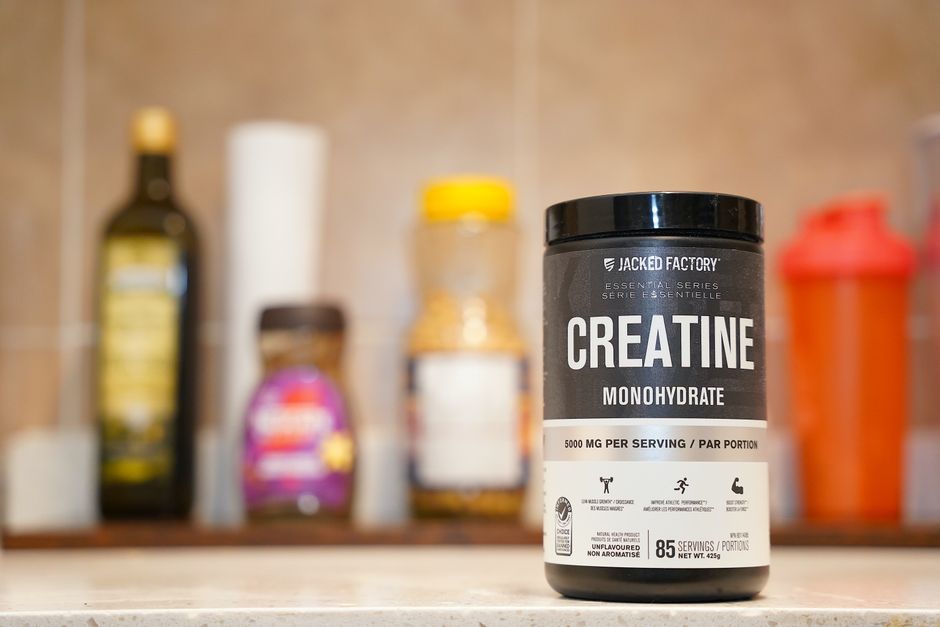
Yes, creatine can cause temporary water retention that some people call bloating. But it is not the same as stomach bloating from gas or digestion issues. The water shift happens inside your muscle cells, not in your gut. Research shows this effect is mild, short-lived, and often misunderstood.
What Actually Causes the Feeling of Bloating With Creatine?
Creatine draws water into your muscle cells through a process called osmosis. This increases the water content inside the muscle tissue. For most people, this is a slight change that is barely noticeable.
The sensation some people describe as bloating is usually one of two things. First, the muscles themselves hold more water, which can make you feel fuller or heavier. Second, some people experience actual stomach discomfort from the creatine powder itself, especially if they take too much at once.
Stomach bloating from creatine is not the same as the bloating you get from eating a large meal or from digestive issues. It is a different process entirely. The water is inside your cells, not in your abdominal cavity.
According to the International Society of Sports Nutrition, creatine supplementation consistently increases total body water. But this increase is primarily intracellular. That means it is stored inside your cells, not floating around in your gut.
Does Creatine Make You Bloated or Is It Just Water Weight?
This is where most confusion happens. The term “bloated” gets used loosely for any feeling of fullness or puffiness. But there is a real difference between water weight in muscles and true stomach bloating.
Water weight from creatine shows up as a slight firmness or fullness in your muscles. Your clothes might feel a bit tighter around your arms or legs. This is not uncomfortable for most people. It is actually a sign that the creatine is working as intended.
True stomach bloating involves gas, distension, or discomfort in your digestive tract. This can happen with creatine, but it is not the primary effect. When it does happen, it is usually because of how the person takes the creatine, not the creatine itself.
The table below shows the main differences between muscle water retention and digestive bloating:
| Symptom | Muscle Water Retention | Digestive Bloating |
|---|---|---|
| Location | Arms, legs, chest | Stomach area |
| Sensation | Firmness or fullness | Pressure or distension |
| Gas or burping | No | Yes, often |
| Pain or cramping | Rare | Possible |
| Duration | Weeks to months | Hours to days |
What Does Research on Creatine and Bloating Actually Show?
A 2021 review published in the Journal of the International Society of Sports Nutrition looked at over 50 studies on creatine. The researchers found that creatine consistently increases total body water by about 1 to 2 percent during the first week. This water is mostly inside muscle cells.
The same review noted that gastrointestinal side effects like bloating, cramping, and diarrhea were reported in some studies. But these effects were almost always linked to taking large doses at once, usually more than 10 grams in a single serving.
Research from the University of Sao Paulo in Brazil found that splitting the daily dose into smaller amounts reduced stomach discomfort significantly. Participants who took 5 grams twice per day reported far fewer issues than those who took 10 grams all at once.
Evidence also shows that the water retention effect is temporary. After the first week, the body adjusts. The total water increase stabilizes and does not keep climbing. Most people stop noticing any change after about two weeks.
-
 How to Prevent Bloating from Creatine? What Actually Works
 -
Why is My Lower Stomach Bloated? What’s Actually Happening
-
Why Do I Get Full So Fast and Bloated? What’s Actually Happening
-
How to Not Be Bloated on Your Period? Ways That Actually Help
-
AquaSculpt Reviews 2026: Honest Facts You Need To Know!




How Much Creatine Causes Bloating and How Long Does It Last?
The standard loading phase involves taking 20 grams per day for 5 to 7 days. This is where most bloating complaints come from. That amount is about four times the maintenance dose. Your body is not used to processing that much creatine at once.
During the loading phase, total body water can increase by 1 to 2 percent. For a 175-pound person, that is roughly 1 to 2 pounds of extra water weight. This usually shows up within the first three days and peaks around day five.
If you skip the loading phase and take a standard dose of 3 to 5 grams per day, the water retention is much less noticeable. It takes longer to saturate your muscles, but the side effects are minimal. Many people never feel bloated at all with this approach.
The bloating sensation typically goes away after the first week. Your body adjusts to the higher water content in your muscles. The initial fullness fades even though your muscles remain saturated with creatine.
What Else Could Be Causing Your Bloating Besides Creatine?
Many people blame creatine for bloating that is actually caused by something else. If you mix creatine with a high-sugar drink like juice or a sports drink, the sugar can cause gas and bloating. The creatine gets blamed for what the sugar is doing.
Changes in your diet around the same time you start creatine can also cause issues. If you start eating more protein or calories to support your training, your digestive system might need time to adjust. That adjustment period can cause bloating that has nothing to do with creatine.
Some people also swallow air when they drink their creatine shake quickly. This aerophagia can cause stomach bloating and gas. Drinking your creatine slowly and not chugging it can prevent this problem entirely.
If you are sensitive to certain additives, the fillers in some creatine products might be the real issue. Pure creatine monohydrate has no added ingredients. But some brands add flavors, sweeteners, or flow agents that can cause digestive upset in sensitive people.
How to Take Creatine Without Feeling Bloated
Start with a low dose. Skip the loading phase entirely. Take 3 to 5 grams per day from the beginning. Your muscles will saturate eventually, and you will avoid the sudden water shift that causes the bloated feeling.
Mix your creatine with plenty of water. Use at least 8 to 12 ounces of water per 5 grams of creatine. This helps the powder dissolve completely and reduces the chance of stomach irritation. Some people find that warm water dissolves creatine better than cold water.
Take creatine with food. Having some food in your stomach slows down absorption and reduces the chance of digestive upset. A meal with carbohydrates and protein works well. The insulin spike from the carbs also helps your muscles absorb creatine more efficiently.
Split your dose if you take more than 5 grams per day. Take half in the morning and half in the evening. This keeps the concentration in your digestive tract lower and reduces the osmotic effect that can cause diarrhea or bloating.
Stay hydrated throughout the day. Creatine pulls water into your muscles, so you need extra water to maintain normal hydration elsewhere. Dehydration can make the bloated feeling worse because your body holds onto water more tightly when it is low on fluids.
Consider switching to creatine monohydrate in capsule form if you are sensitive to the powder. Capsules release more slowly in your digestive system. They also eliminate the taste and texture issues that some people find unpleasant.
Here is a quick summary of what to do and what to avoid:
- Do start with 3 to 5 grams per day, no loading phase
- Do mix with at least 8 ounces of water
- Do take creatine with a meal
- Do split doses if taking more than 5 grams daily
- Do drink extra water throughout the day
- Avoid taking more than 10 grams at once
- Avoid mixing with sugary drinks
- Avoid chugging your creatine drink quickly
Common Misconceptions About Creatine and Bloating
One widespread myth is that creatine causes permanent bloating that never goes away. This is not true. The water retention from creatine is reversible. If you stop taking creatine, your body returns to its normal water balance within a few weeks. The extra water leaves your muscles gradually.
Another misconception is that all creatine supplements cause bloating equally. Different forms of creatine have different effects. Creatine monohydrate is the most studied and most effective form. Some people claim that creatine hydrochloride or buffered creatine causes less bloating, but strong evidence for this is limited.
Some people believe that bloating from creatine means they are gaining fat. This is incorrect. The weight gain from creatine is almost entirely water weight. It is not fat. Your body composition does not change negatively from creatine supplementation. In fact, creatine helps build lean muscle mass over time.
There is also a belief that women experience more bloating from creatine than men. Research does not support this. Studies show that both men and women experience similar levels of water retention from creatine. Women may notice it more because of natural monthly water fluctuations, but the creatine effect itself is the same.
Frequently Asked Questions
Does creatine make you bloated in your stomach?
Creatine primarily causes water retention inside muscle cells, not in the stomach. Stomach bloating can occur if you take too much at once or have a sensitive digestive system.
How long does creatine bloating last?
The bloated feeling usually lasts about one week during the initial loading phase. After that, your body adjusts and the sensation fades even though your muscles remain saturated.
Can you avoid bloating from creatine?
Yes, by skipping the loading phase and taking 3 to 5 grams per day with plenty of water and food. Splitting your dose and staying hydrated also helps reduce bloating.
Is creatine bloating the same as water weight?
Yes, the bloated feeling from creatine is caused by water moving into your muscle cells. It is not the same as gas or digestive bloating from food.
