
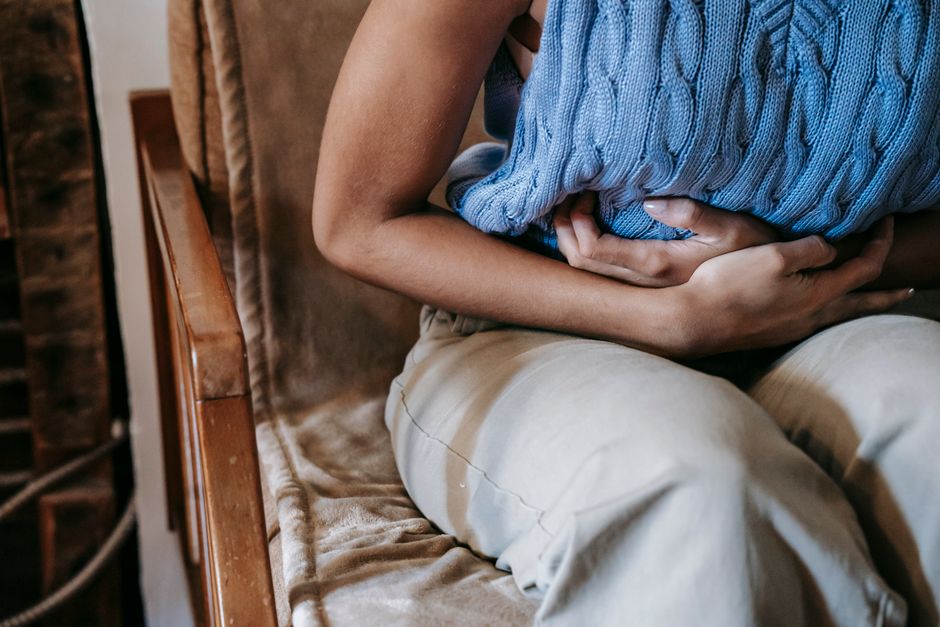
Bloating happens when your gastrointestinal tract fills with gas or air causing your abdomen to feel tight and swollen. Most bloating is temporary and tied to what you ate, how you ate, or where you are in your menstrual cycle. The uncomfortable sensation results from a combination of swallowed air, bacterial fermentation in your gut, digestive dysfunction, or fluid retention.
Nearly everyone experiences bloating occasionally. The difference between normal bloating and something worth investigating depends on how often it happens, how severe it feels, and whether other symptoms accompany it.
What Actually Causes Bloating?
Gas production in your intestines is the primary culprit. When bacteria in your colon break down undigested carbohydrates they produce hydrogen, methane, and carbon dioxide. Some people produce more gas than others based on their gut bacteria composition.
Foods high in fermentable carbohydrates known as FODMAPs often trigger bloating. These include onions, garlic, beans, lentils, wheat, and certain fruits. Your gut bacteria ferment what you cannot digest, and the byproduct is gas. This is normal digestion, not a disease.
Swallowing air contributes more than most people realize. Eating too quickly, drinking through straws, chewing gum, and talking while eating all introduce excess air into your digestive system. That air has to go somewhere.
Constipation backs up your system and creates a traffic jam. When stool sits in your colon longer than it should, bacteria have more time to ferment remaining material and produce gas. The longer the backup, the worse the bloating.
Why Am I So Bloated After Eating?
Postprandial bloating, the medical term for bloating after meals, points to how your body processes specific foods. Large meals stretch your stomach and slow gastric emptying. The more food sitting in your stomach, the longer digestion takes and the more pronounced that full, distended feeling becomes.
Fatty foods delay stomach emptying because fat takes longer to digest than protein or carbohydrates. A heavy meal with fried foods, cream sauces, or fatty cuts of meat can leave you feeling bloated for hours. This is mechanical, not necessarily pathological.
Carbonated beverages release carbon dioxide in your stomach. That gas either comes up as a burp or travels through your intestines. Either way, you are adding volume to your GI tract. The fizz you enjoy while drinking becomes the bloat you feel an hour later.
Eating too fast prevents proper chewing and increases air intake. Your stomach also does not have time to signal your brain that you are full. You end up overeating and swallowing air simultaneously, a combination that guarantees bloating.
Does Hormonal Changes Cause Bloating?
Progesterone levels rise in the second half of your menstrual cycle and slow down digestion. This hormone relaxes smooth muscle throughout your body including in your intestines. Slower transit time means more fermentation and more gas production.
Estrogen fluctuations affect how your body retains water. Many women notice bloating in the days before menstruation starts. This is not gas, but fluid retention triggered by hormonal shifts. The bloating feels different, more uniform across your abdomen rather than concentrated in specific areas.
Perimenopause brings unpredictable hormone swings. As estrogen and progesterone levels fluctuate erratically, digestive symptoms including bloating often worsen. Some studies suggest that declining estrogen may alter gut motility and the composition of gut bacteria.
Research from gastroenterology journals shows that women report bloating more frequently than men, with hormonal factors playing a documented role. This does not mean bloating is imaginary or minor. It means hormones have real effects on digestion.




What Medical Conditions Cause Chronic Bloating?
Irritable bowel syndrome tops the list. IBS affects gut motility and visceral sensitivity, meaning your intestines move food through abnormally and you feel sensations more intensely. Bloating is one of the defining symptoms and can persist even when you eat carefully.
Small intestinal bacterial overgrowth occurs when bacteria that belong in your colon migrate up into your small intestine. These bacteria ferment food earlier in the digestive process, producing gas in an area not designed to handle it. SIBO causes bloating within 30 minutes of eating.
Celiac disease triggers an autoimmune reaction when you eat gluten. The resulting inflammation damages the lining of your small intestine and impairs nutrient absorption. Bloating accompanies other symptoms like diarrhea, fatigue, and weight loss. This is not a sensitivity, it is an autoimmune condition requiring strict gluten avoidance.
Gastroparesis means your stomach empties too slowly. Food sits longer than normal, giving bacteria more time to act on it. This condition often accompanies diabetes but can occur independently. Persistent nausea and early satiety usually accompany the bloating.
Comparison of Common Bloating-Related Conditions
| Condition | Primary Mechanism | Onset After Eating | Other Key Symptoms |
|---|---|---|---|
| IBS | Gut motility dysfunction | Varies | Abdominal pain, altered bowel habits |
| SIBO | Bacterial overgrowth in small intestine | 30-90 minutes | Diarrhea, malabsorption |
| Celiac Disease | Autoimmune gluten reaction | Hours | Diarrhea, weight loss, fatigue |
| Gastroparesis | Delayed stomach emptying | During and after meals | Nausea, early fullness, vomiting |
When Should I Worry About Bloating?
Occasional bloating after a large meal or during your period does not require medical attention. Persistent bloating that does not resolve or worsens over weeks deserves evaluation. The pattern matters more than isolated incidents.
Red flag symptoms include unintentional weight loss, blood in your stool, severe abdominal pain, persistent vomiting, or bloating that wakes you from sleep. These suggest something beyond functional bloating and warrant prompt medical assessment.
New onset bloating after age 50 should be evaluated, especially if accompanied by changes in bowel habits. While most cases still trace back to benign causes, colorectal cancer can present with persistent bloating and altered bowel function. Early detection makes a significant difference in outcomes.
If bloating interferes with daily activities or you find yourself avoiding social situations because of it, that alone is reason enough to seek help. Quality of life matters. You do not need to meet some threshold of severity to deserve treatment.
What Actually Helps Reduce Bloating?
Eating smaller meals more frequently prevents your stomach from becoming overly distended. Your digestive system handles moderate amounts of food more efficiently than large boluses. This is mechanical common sense, not a dietary trend.
Identifying and limiting high-FODMAP foods helps many people. A low-FODMAP diet is not meant to be permanent but serves as an elimination tool. You remove suspect foods for several weeks, then systematically reintroduce them to identify your specific triggers. Research shows this approach reduces bloating in about 70% of IBS patients.
Walking after meals stimulates gut motility. A 10-15 minute walk encourages your digestive system to move things along rather than letting food sit and ferment. Studies on postprandial activity show improved gastric emptying and reduced bloating compared to remaining sedentary.
Probiotics may help certain people though the evidence is inconsistent. Specific strains like Bifidobacterium infantis have shown benefit in clinical trials for IBS-related bloating. Other strains show no effect or even worsen symptoms in some individuals. Probiotics are not universally helpful despite marketing claims.
Practical Steps to Reduce Bloating
- Chew food thoroughly and eat slowly to minimize air swallowing
- Avoid carbonated drinks and drinking through straws
- Limit artificial sweeteners like sorbitol and xylitol which ferment in your gut
- Stay hydrated to prevent constipation
- Keep a food diary to identify personal triggers
- Reduce salt intake if fluid retention contributes to your bloating
Do Over-the-Counter Remedies Work for Bloating?
Simethicone breaks up gas bubbles in your digestive tract making them easier to pass. It works for bloating caused by swallowed air or trapped gas. It does not address the underlying fermentation process or reduce gas production. Some people find relief, others notice no difference.
Alpha-galactosidase enzymes help break down complex carbohydrates in beans and cruciferous vegetables before they reach your colon. Taking them with meals that include these foods can reduce gas production. They do not work retroactively once bloating has started.
Peppermint oil capsules relax intestinal smooth muscle and may ease bloating associated with IBS. Enteric-coated versions survive stomach acid and release in your intestines where they can be effective. Evidence supports their use though they cause heartburn in some people.
Activated charcoal is widely marketed for bloating but evidence supporting its use is weak. As of 2026, clinical trials show inconsistent results. The charcoal may bind some gas but also binds medications and nutrients, making it a poor long-term solution.
Frequently Asked Questions About Why Am I So Bloated
Can stress cause bloating?
Yes, stress alters gut motility and increases visceral sensitivity through the gut-brain axis. Chronic stress can worsen IBS symptoms including bloating and change how your digestive system functions.
Is bloating a sign of food allergies?
True food allergies cause immune responses like hives or anaphylaxis, not typically bloating. Food intolerances or sensitivities like lactose intolerance cause bloating because undigested sugars ferment in your colon producing gas.
Why do I bloat even when eating healthy foods?
Many healthy foods like beans, lentils, broccoli, and whole grains contain fermentable carbohydrates that produce gas during digestion. Healthy does not always mean easy to digest for everyone.
Does drinking water help with bloating?
Water helps prevent constipation which reduces bloating caused by stool backup. However, drinking large amounts quickly can temporarily increase stomach distension and the sensation of bloating.
