
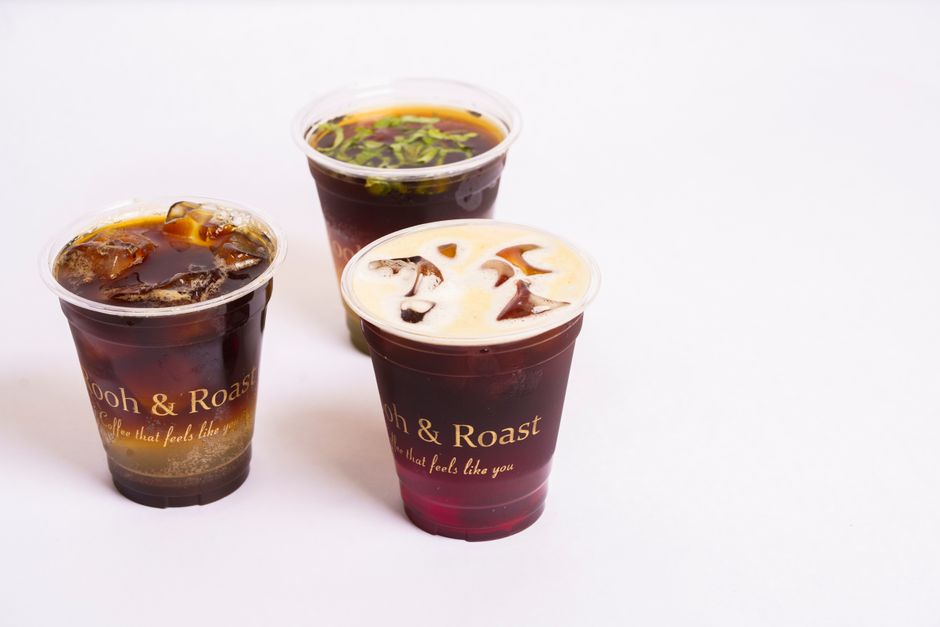
Cold brew and espresso are two very different drinks, and the caffeine comparison trips up a lot of people. The answer depends on how much you drink, not just what is in the cup. Ounce for ounce, espresso contains far more caffeine than cold brew. But a typical cold brew serving is much larger, so a 16-ounce cold brew can deliver more total caffeine than a single or double shot of espresso.
That distinction between concentration and total dose is the whole story. Once you see the numbers side by side, the confusion clears up fast.
Does Cold Brew Have More Caffeine Than Espresso?
No, not ounce for ounce. Espresso is the more concentrated drink by a wide margin. A 1-ounce shot of espresso typically contains around 63 mg of caffeine, according to USDA data. Cold brew concentrate can vary widely, but a typical cold brew served over ice often lands somewhere between 15 and 25 mg of caffeine per ounce.
So a single ounce of espresso can carry two to four times the caffeine of an ounce of cold brew. That is the concentration answer.
The total-dose answer is different. A standard espresso shot is 1 ounce. A standard cold brew is 12 to 16 ounces. Do the math and a large cold brew can easily contain 150 to 250 mg of caffeine, which is more than a single shot and often more than a double shot.
This is why two people can both say “I had coffee” and walk away with very different amounts of caffeine in their systems.
How Much Caffeine Is in Cold Brew vs Espresso?
Exact numbers vary by brand, bean, roast, and brewing method. But the general ranges are well documented and useful for comparison.
| Drink | Typical Serving Size | Caffeine Per Ounce | Total Caffeine |
|---|---|---|---|
| Espresso (single shot) | 1 oz | About 63 mg | About 63 mg |
| Espresso (double shot) | 2 oz | About 63 mg | About 126 mg |
| Cold brew (ready to drink) | 12–16 oz | 15–25 mg | 180–250 mg |
| Cold brew concentrate | Varies (often diluted) | Higher than ready-to-drink | Depends on dilution |
The 63 mg figure for espresso comes from USDA nutritional data and is widely cited. Cold brew numbers are harder to pin down because there is no standard recipe. Some commercial cold brews are stronger than others, and concentrate must be diluted before drinking.
One non-obvious point: cold brew concentrate is not meant to be drunk straight. If you sip it undiluted, you are getting a caffeine dose closer to a double or triple espresso in a much larger volume. Always check the label.
Why Does Cold Brew Have Less Caffeine Per Ounce?
It comes down to how the coffee is made. Espresso forces hot water through finely ground coffee at high pressure. That pressure extracts a lot of caffeine into a very small amount of water. The result is a dense, concentrated liquid.
Cold brew steeps coarse ground coffee in cold or room-temperature water for many hours, usually 12 to 24. No pressure is involved. The water extracts caffeine more slowly and less completely. The resulting liquid is less concentrated per ounce than espresso.
Temperature matters here. Hot water dissolves caffeine more efficiently than cold water. That is why a hot brew method like espresso or drip produces a more concentrated cup in less time, while cold brew needs a long steep to reach a drinkable strength.
None of this makes cold brew weak. It just means the caffeine is spread across a larger volume of liquid.

Does Cold Brew Have More Caffeine Than Regular Coffee?
Often yes, but not because of the brewing method itself. It is mostly about serving size and recipe.
A standard 8-ounce cup of drip coffee typically contains around 95 mg of caffeine, based on USDA data. A 16-ounce cold brew frequently contains more than that, sometimes close to double. But that is largely because you are drinking twice as much liquid.
Per ounce, cold brew and drip coffee are often in a similar range. Cold brew can be slightly higher or lower depending on how long it steeped and how much coffee was used. There is no fixed rule.
The practical takeaway: if you switch from an 8-ounce drip coffee to a 16-ounce cold brew, you are likely increasing your caffeine intake. If you switch from a 16-ounce drip to a 16-ounce cold brew, the difference may be small.
How Much Caffeine Is Too Much?
Most healthy adults can consume up to 400 mg of caffeine per day without negative effects, according to widely cited guidance from the U.S. Food and Drug Administration. That is roughly the amount in four 8-ounce cups of regular coffee.
But 400 mg is a general ceiling for healthy adults, not a target. Individual tolerance varies a lot. Genetics, medications, liver function, and pregnancy all change how your body handles caffeine.
Some important caveats:
- Pregnant women are generally advised to limit caffeine to 200 mg per day or less, based on guidance from the American College of Obstetricians and Gynecologists.
- People with anxiety, insomnia, heart rhythm issues, or acid reflux may need to stay well below 400 mg.
- Certain medications, including some antibiotics and antidepressants, can slow caffeine clearance and amplify its effects.
- Children and adolescents have lower recommended limits, and no clinical guidelines set a specific safe dose for young children.
If you are drinking a large cold brew daily, it is worth knowing how much caffeine that actually adds up to. Many people underestimate it because cold brew tastes smooth and less bitter than hot coffee. That smoothness does not mean less caffeine.
Does Cold Brew Taste Less Bitter Because It Has Less Caffeine?
No. Bitterness and caffeine are not the same thing, even though people often link them.
Cold brew tastes smoother because the cold steeping process extracts fewer of the acids and oils that create bitterness in hot coffee. Caffeine itself is bitter, but it is only one of many bitter compounds in coffee. The reduced bitterness in cold brew comes mostly from the gentler extraction, not from lower caffeine.
This is a common misunderstanding. A smooth cold brew can still be quite high in caffeine. Do not use taste as a gauge for how much caffeine you are getting.
Which One Should You Choose?
That depends on what you want from your coffee. Neither is better in a general sense.
If you want a small, intense hit of caffeine, espresso is the more efficient choice. A single shot gives you about 63 mg in one ounce.
If you want to sip something over a longer period, cold brew fits that. Just be aware that a 16-ounce serving may give you 200 mg or more, which is a significant portion of the daily 400 mg ceiling for healthy adults.
If you are sensitive to caffeine, cold brew can be a sneaky source because the large serving size adds up quickly. If you are watching your intake, check the label on commercial cold brews. The numbers vary more than most people expect.
For home brewing, you control the strength by adjusting the coffee-to-water ratio and steep time. A weaker ratio or shorter steep produces a milder drink.
Frequently Asked Questions
Is cold brew stronger than espresso?
No, espresso is much stronger per ounce. A 1-ounce espresso shot has about 63 mg of caffeine, while cold brew typically has 15 to 25 mg per ounce.
How much caffeine is in a 16 oz cold brew?
A 16-ounce cold brew often contains between 180 and 250 mg of caffeine, though this varies by brand and recipe. That is more than a single or double espresso shot.
Can cold brew have more caffeine than a double espresso?
Yes, a large cold brew can exceed a double espresso in total caffeine. A double shot has about 126 mg, while a 16-ounce cold brew can reach 200 mg or more.
Does cold brew have less caffeine because it tastes smoother?
No, the smoother taste comes from the cold brewing process extracting fewer bitter acids and oils. It does not mean the drink has less caffeine.
