
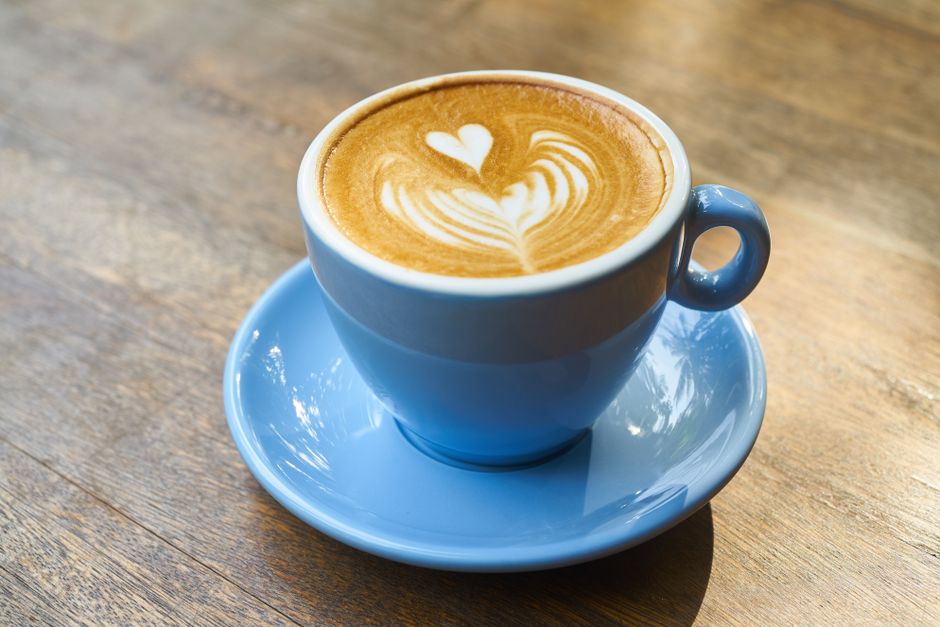
Yes, a standard 8-ounce (240 ml) cappuccino contains roughly 150 milligrams of caffeine. That is about the same as a regular cup of drip coffee. The exact number depends on the beans, the roast, and how the espresso shot is pulled. For most people, one cappuccino provides a noticeable but moderate energy lift. If you are sensitive to caffeine, it is worth knowing what you are actually drinking.
How Much Caffeine Is in a Cappuccino Compared to Other Coffee Drinks?
A cappuccino is made from one or two shots of espresso topped with steamed milk and foam. The caffeine comes entirely from the espresso. A single shot of espresso has about 75 mg of caffeine. A double shot has about 150 mg. Most coffee shops serve cappuccinos with a double shot as the standard.
Compare that to a standard 8-ounce drip coffee, which has between 95 and 165 mg of caffeine depending on the brew strength. A latte of the same size has the same caffeine as a cappuccino because they use the same amount of espresso. The difference is just the milk-to-foam ratio. An Americano, which is espresso and hot water, also matches the caffeine content of a cappuccino shot for shot.
Cold brew is where things get stronger. A typical 8-ounce cold brew can have 200 to 250 mg of caffeine. Instant coffee has much less, around 30 to 90 mg per cup. If you are comparing caffeine levels, the cappuccino sits right in the middle — stronger than instant, weaker than cold brew, and roughly equal to drip coffee.
Does the Type of Coffee Bean Change the Caffeine in a Cappuccino?
Yes, the bean variety matters. Arabica beans, which are the most common in specialty coffee shops, have about 1.5 percent caffeine by weight. Robusta beans have about 2.7 percent. That is nearly double. Some coffee shops use blends that include Robusta for a stronger kick and thicker crema. If your cappuccino tastes especially bitter or feels more stimulating, it might contain Robusta.
Roast level also plays a role, though not how most people think. Light roasts retain slightly more caffeine than dark roasts by volume. The difference is small — roughly 5 to 10 percent. But because dark roasts are less dense, a scoop of dark roast beans actually contains more beans by count than a scoop of light roast. In practice, the roast effect is minor compared to the bean type and the number of shots.
The bottom line is that a cappuccino from a shop using 100 percent Arabica will be on the lower end of the caffeine range. A shop using a Robusta blend will push the caffeine higher. If you want consistency, ask what beans they use.
Can You Order a Cappuccino With Less Caffeine?
Yes, and there are several ways to do it. The most straightforward is to ask for a single-shot cappuccino instead of the standard double. That drops the caffeine from about 150 mg to about 75 mg. Some coffee shops offer this by default if you order a small size, but not always. It is worth confirming.
Another option is decaf espresso. Decaf is not caffeine-free, but it contains only about 2 to 5 mg per shot. That is a 97 percent reduction. The taste is slightly different — decaf beans have a milder flavor and less body — but many people find it perfectly acceptable, especially with milk.
There is also half-caff, which is a mix of regular and decaf espresso. Some shops offer this as a standard option. It lands you around 75 mg for a double-shot half-caff cappuccino. If your local shop does not advertise it, just ask. Most baristas can make it work.
One clarification worth noting: a cappuccino with less foam or more milk does not change the caffeine. The caffeine is in the espresso, not the milk. Changing the milk-to-foam ratio changes texture and temperature, not the stimulant content.
Does Cappuccino Have Caffeine In It That Affects People Differently?
Yes, individual response to caffeine varies widely. The same 150 mg cappuccino can feel like a gentle nudge to one person and cause jitters or anxiety in another. Genetics play a large role. Your liver processes caffeine using an enzyme called CYP1A2. Some people have a fast version of this enzyme and clear caffeine quickly. Others have a slow version and feel the effects for hours.
Age and body weight also matter. Older adults may process caffeine more slowly. People with smaller body mass feel the effects more intensely at the same dose. Pregnancy significantly slows caffeine metabolism, which is why many health organizations recommend limiting caffeine to 200 mg per day during pregnancy.
Medications can interfere too. Some antibiotics, birth control pills, and antidepressants can slow caffeine clearance. If you take any prescription medication and notice that coffee hits you harder than it used to, that could be why.
If you are unsure how you respond, start with a single-shot cappuccino and see how you feel. You can always have a second one later. Caffeine effects peak about 30 to 60 minutes after drinking and can last four to six hours depending on your metabolism.
What Time of Day Is Best for a Cappuccino?
There is no single perfect time, but research on cortisol rhythms offers a useful guideline. Cortisol is a hormone that naturally rises in the morning to help you wake up. Drinking caffeine when cortisol is already high may reduce the stimulant effect and build tolerance faster. Some studies suggest waiting 60 to 90 minutes after waking before your first coffee.
That said, the evidence is not strong enough to call it a rule. A 2020 review in the journal Nutrients found that the cortisol-caffeine interaction varies by person and is unlikely to matter much for most healthy adults. If you enjoy a cappuccino with breakfast, there is no proven harm.
Late afternoon is a different story. Caffeine has a half-life of about five hours in most people. That means if you drink a double-shot cappuccino at 4 p.m., you still have about 75 mg of caffeine in your system at 9 p.m. For some people, that is enough to disrupt sleep. If you are sensitive to caffeine or have trouble sleeping, try cutting off cappuccinos by 2 p.m.
Evening cappuccinos are not inherently bad. Some people metabolize caffeine quickly and can drink coffee after dinner without issue. But if you wake up at 3 a.m. and cannot fall back asleep, your afternoon coffee is a reasonable suspect.
What Are the Health Effects of the Caffeine in a Cappuccino?
Moderate caffeine intake — around 400 mg per day for most adults — is well-supported by research. The European Food Safety Authority and the FDA both consider this amount safe for healthy non-pregnant adults. That is roughly two to three cappuccinos per day depending on the shot count.
Benefits include improved alertness, better focus, and a lower risk of some diseases. Large observational studies have linked regular coffee consumption with reduced risk of Parkinson’s disease, type 2 diabetes, and liver conditions. The antioxidant content of coffee likely contributes, not just the caffeine.
Negative effects appear at higher doses. Above 500 to 600 mg per day, people commonly report anxiety, rapid heart rate, digestive issues, and sleep disruption. If you drink four or more double-shot cappuccinos daily, you are in that range. Some people experience these symptoms at lower doses.
One overlooked factor is how you take your cappuccino. A plain cappuccino has very few calories and no added sugar. But if you add flavored syrups, whipped cream, or sweeteners, you change the health profile entirely. A 16-ounce flavored cappuccino from a chain can have 30 to 50 grams of sugar — more than a candy bar. The caffeine is the same, but the metabolic effect is not.
| Cappuccino Size | Typical Shots | Caffeine (approx) |
|---|---|---|
| Small (8 oz) | 1 shot | 75 mg |
| Medium (12 oz) | 2 shots | 150 mg |
| Large (16 oz) | 2-3 shots | 150-225 mg |
Common Misconceptions About Caffeine in Cappuccino
One widespread myth is that a cappuccino has less caffeine than a latte because it has more foam. That is false. Both drinks use the same amount of espresso. Foam is just air and milk — it adds no caffeine. The foam changes the texture and temperature, not the stimulant content.
Another misconception is that darker roasts have more caffeine. As discussed earlier, the difference is minimal and often reversed by weight. People associate dark roast with a stronger taste, but that taste comes from the roasting process, not from more caffeine. If anything, light roast has slightly more caffeine by volume.
Some people also believe that iced cappuccinos have less caffeine. Iced versions are typically made with the same espresso shots. The ice dilutes the drink by volume but does not remove caffeine. A 16-ounce iced cappuccino with two shots still has 150 mg of caffeine, just in a larger, colder drink.
Finally, there is a persistent idea that espresso has more caffeine than drip coffee per cup. This is true per ounce — espresso is concentrated — but not per serving. A single shot of espresso (1 ounce) has about 75 mg. An 8-ounce drip coffee has 95 to 165 mg. So a full cup of drip coffee usually has more total caffeine than a single shot of espresso. A double-shot cappuccino matches drip coffee.
Frequently Asked Questions
Does a cappuccino have more caffeine than a latte?
No. A cappuccino and a latte made with the same number of espresso shots have identical caffeine content. The difference is only in the ratio of milk to foam.
How much caffeine is in a Starbucks cappuccino?
A tall (12 oz) Starbucks cappuccino has 150 mg of caffeine from two shots of espresso. A short (8 oz) has 75 mg from one shot.
Is the caffeine in a cappuccino safe during pregnancy?
Most health organizations recommend limiting caffeine to 200 mg per day during pregnancy. A single-shot cappuccino at 75 mg is within that limit, but a double-shot at 150 mg uses most of it.
Can you get a caffeine-free cappuccino?
Yes. Order a decaf cappuccino. Decaf espresso contains about 2 to 5 mg of caffeine per shot, which is negligible for most people.
