
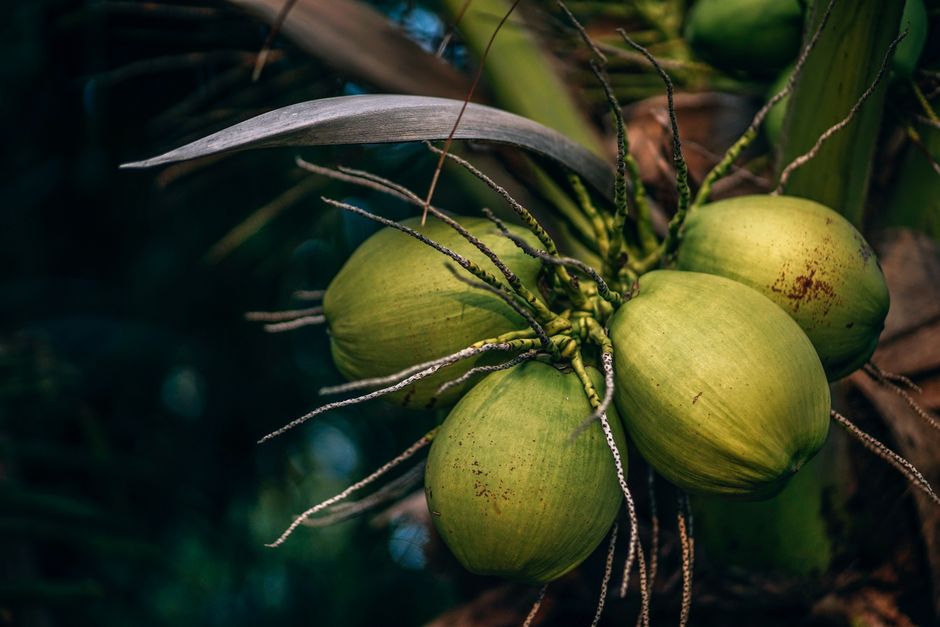
Many people want to know if coconut oil helps hair grow. The short answer is that coconut oil does not directly make hair grow faster from the scalp, but it can help create conditions that support healthier hair and reduce breakage, which may help your hair appear longer over time. Research shows coconut oil is effective at preventing protein loss in hair, which keeps strands stronger and less likely to snap off. This article explains what the science actually says.
Does Coconut Oil Help Hair Grow Directly?
No, coconut oil does not stimulate hair follicles to produce new hair growth. Hair growth happens at the root, inside the scalp. Coconut oil sits on the hair shaft and scalp surface. It cannot reach the hair follicle where growth actually occurs.
What coconut oil does well is protect the hair you already have. It reduces breakage and split ends. When hair breaks less often, it stays longer. That can make it look like your hair is growing faster, even though the growth rate from the scalp has not changed.
The average hair growth rate is about half an inch per month according to the American Academy of Dermatology. No topical oil can speed up that rate. If a product claims to make hair grow faster than that, be skeptical.
What Does Research on Coconut Oil and Hair Show?
A well-known study published in the Journal of Cosmetic Science in 2003 compared coconut oil, mineral oil, and sunflower oil. Researchers applied these oils to hair samples before and after washing. Coconut oil was the only one that significantly reduced protein loss in hair.
This matters because hair is made of protein. When protein leaks out, hair becomes weak and brittle. Weak hair breaks easily. By keeping protein inside the hair shaft, coconut oil helps maintain strength and flexibility.
The study used both bleached and unbleached hair. Coconut oil worked well on both types. This suggests it helps people with different hair conditions, not just those with healthy, untreated hair.
Some studies suggest that coconut oil may have mild antimicrobial properties. This could help keep the scalp healthy. A healthy scalp is important for normal hair growth. But this is not the same as coconut oil directly stimulating growth.
How Does Coconut Oil Compare to Other Oils for Hair?
Not all oils work the same way on hair. The molecular structure of coconut oil is what makes it different. It has a high affinity for hair proteins, which means it can penetrate the hair shaft better than many other oils.
| Oil Type | Penetrates Hair Shaft | Reduces Protein Loss | Best For |
|---|---|---|---|
| Coconut Oil | Yes | Yes | Preventing breakage, pre-wash treatment |
| Mineral Oil | No | No | Sealing moisture, smoothing surface |
| Olive Oil | Partial | Limited | Conditioning, adding softness |
| Argan Oil | Limited | Limited | Adding shine, reducing frizz |
| Jojoba Oil | No | No | Scalp moisturizing, mimic natural sebum |
Mineral oil and jojoba oil sit mostly on the surface. They can seal in moisture but do not strengthen the hair from within. Coconut oil is unique in its ability to penetrate and reduce protein loss, according to the research available.





What Is the Best Way to Use Coconut Oil for Hair?
The way you use coconut oil matters. Most people do not get the best results because they apply it wrong. Here are the methods that evidence suggests work best:
- Pre-wash treatment: Apply coconut oil to dry hair 30 to 60 minutes before shampooing. This protects hair from swelling and protein loss during washing. The 2003 study used this method.
- Leave-in conditioner: Use a very small amount on damp ends after washing. Too much can make hair greasy and heavy.
- Scalp massage: Gently massage a small amount into the scalp for a few minutes. This improves blood flow to the scalp, which may support healthy hair growth indirectly. But the oil itself is not causing growth.
Use virgin or extra virgin coconut oil. These are less processed and retain more of the natural fatty acids that benefit hair. Refined coconut oil may still work but the evidence is less clear.
Do not use coconut oil every day unless your hair is very dry. Overuse can build up on the scalp and clog hair follicles. Once or twice a week is enough for most people.
Can Coconut Oil Cause Hair Problems?
Yes, coconut oil can cause issues for some people. It is comedogenic, meaning it can clog pores. For people with acne-prone skin, applying coconut oil near the hairline can cause breakouts on the forehead and face.
People with fine or thin hair may find coconut oil too heavy. It can weigh hair down and make it look flat or greasy. If your hair feels limp after using coconut oil, try using less or only on the ends.
Some people are allergic to coconut oil. It is rare but possible. If you develop itching, redness, or bumps after using it, stop and try a different oil.
There is no clinical evidence that coconut oil causes hair loss. But improper use, like leaving it on too long without washing, can lead to scalp buildup. Buildup can irritate the scalp and potentially slow healthy hair growth.
What Actually Works for Hair Growth?
If you want to grow longer, stronger hair, focus on what the evidence actually supports. Coconut oil is one piece of the puzzle, but not the whole answer.
Diet matters. Hair is made of keratin, a protein. Eating enough protein is essential for hair growth. Iron deficiency is a common cause of hair thinning, especially in women. The CDC reports that about 10% of women in the US are iron deficient. Low vitamin D and zinc levels are also linked to hair loss.
Scalp health matters. A clean, well-circulated scalp supports hair follicles. Gentle scalp massage for a few minutes daily may help by increasing blood flow. This is supported by small studies, though more research is needed.
Gentle handling matters. How you treat your hair day to day affects how long it gets. Avoid tight hairstyles that pull on the roots. Use a wide-tooth comb on wet hair. Limit heat styling. These habits prevent breakage more than any oil can.
For people with medical hair loss conditions like androgenetic alopecia, topical minoxidil (Rogaine) is the only over-the-counter treatment with strong clinical evidence. Coconut oil will not treat pattern baldness.
Frequently Asked Questions
Does coconut oil make hair grow faster?
No, coconut oil does not speed up the rate hair grows from the scalp. It helps prevent breakage so hair can stay longer.
Can I leave coconut oil in my hair overnight?
Yes, but only if you wash it out thoroughly in the morning. Leaving it too long without washing can cause scalp buildup.
Is coconut oil good for all hair types?
No, it works best for medium to thick hair. People with fine or thin hair may find it too heavy and greasy.
How often should I use coconut oil on my hair?
Once or twice a week is enough for most people. Using it daily can lead to buildup and greasy hair.
