
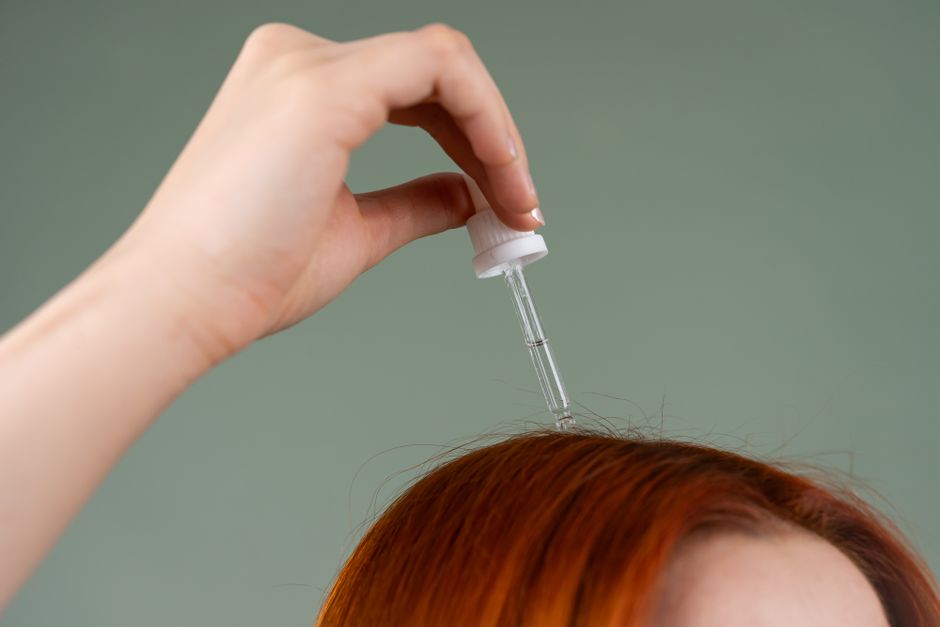
Hair growth is a slow process, and most claims about speeding it up are overblown. What actually helps your hair grow is a mix of good nutrition, a healthy scalp, and protecting your hair from damage. Genetics set your hair’s maximum growth rate, but you can support your body’s natural process by focusing on what you eat, how you treat your hair, and managing your overall health. The real answer is less about magic products and more about consistent, basic care.
What Does the Research on Hair Growth Really Show?
The science of hair growth is straightforward but often misunderstood. Your hair grows about half an inch per month on average. This rate is controlled by your genes, hormones, and age. Research published in the journal Dermatologic Clinics confirms that the hair growth cycle has three phases: anagen (growth), catagen (transition), and telogen (resting). Most hair is in the anagen phase, which lasts two to seven years.
What can you actually change? Studies show that severe nutrient deficiencies can slow or stop hair growth. A 2019 review in Dermatology and Therapy found that low levels of iron, zinc, and vitamin D are linked to hair thinning. But taking extra supplements if your levels are normal does not help. The body only uses what it needs and excretes the rest. More is not better.
One non-obvious insight is that stress matters more than most people realize. A 2021 study in JAMA Dermatology linked high stress levels to telogen effluvium, a condition where hair shifts from growth to resting phase prematurely. This causes noticeable shedding about three months after a stressful event. Managing stress is not just good for your mind — it directly affects your hair.
What Helps Make Your Hair Grow From the Inside?
Your hair is made of a protein called keratin. Your body needs enough protein to build it. The National Institutes of Health reports that severe protein deficiency can cause hair loss. Most people in the US get enough protein from their diet, but if you eat a restrictive diet or skip meals, your hair may suffer. Good sources include eggs, chicken, fish, beans, and nuts.
Iron is another key player. Low iron stores, especially in women with heavy periods, are a common cause of hair thinning. A 2013 study in the Journal of the American Academy of Dermatology found that iron deficiency is linked to several types of hair loss. Getting enough iron from food — like spinach, red meat, lentils, and fortified cereals — supports healthy growth. But do not take iron supplements unless a blood test confirms you are low. Too much iron is toxic.
Other nutrients that research supports include zinc, biotin, and vitamin D. Zinc helps with hair tissue repair and growth. Biotin is popular in hair supplements, but a 2017 review in Skin Appendage Disorders noted that biotin deficiency is rare. Most people get enough from food like eggs, almonds, and sweet potatoes. Vitamin D plays a role in creating new hair follicles. A 2020 study in the International Journal of Molecular Sciences linked low vitamin D levels to hair loss conditions like alopecia areata.
What Scalp Care Actually Works for Hair Growth?
A healthy scalp is the foundation for healthy hair. If your scalp is inflamed, flaky, or clogged, hair follicles cannot function properly. The American Academy of Dermatology recommends washing your hair regularly enough to keep the scalp clean. For most people, that means every two to three days. Oily scalps may need daily washing. Dry scalps may need less.
Scalp massage is one of the few non-drug methods with some evidence. A small 2016 study in Eplasty found that four minutes of daily scalp massage increased hair thickness over 24 weeks. The researchers think it works by improving blood flow and stretching hair follicle cells. It is low risk and easy to try, but the evidence is limited to one small study.
What about oils and treatments? Coconut oil can reduce protein loss from hair, according to a 2015 study in the Journal of Cosmetic Science. It works best as a pre-wash treatment. Rosemary oil has some early evidence from a 2015 study in Skinmed that it may improve hair growth by increasing circulation. But these are supportive, not curative. They will not fix a medical cause of hair loss.





What Hair Products and Treatments Are Backed by Evidence?
Minoxidil, sold under the brand name Rogaine, is the most researched over-the-counter treatment. The FDA approved it for hair loss in both men and women. Research shows it works for about 40% of people who use it consistently. It takes at least four months to see results. It works by stimulating hair follicles and prolonging the growth phase. Side effects include scalp irritation and unwanted facial hair growth in women.
Low-level laser therapy is another option with some evidence. A 2014 review in the American Journal of Clinical Dermatology found that laser combs and caps can increase hair density in people with genetic hair loss. The effects are modest, and the devices are expensive. The FDA has cleared several of them as safe, but “cleared” is not the same as “proven effective.”
Supplements marketed for hair growth are a different story. A 2018 review in Dermatology Practical and Conceptual found that most hair supplements lack strong evidence. Many contain biotin, which is safe but rarely helpful. Some contain herbs like saw palmetto, which has mixed evidence at best. The supplement industry is not well regulated, so what is on the label may not match what is in the bottle.
| Treatment | Evidence Level | Time to See Results | Common Side Effects |
|---|---|---|---|
| Minoxidil (Rogaine) | Strong – FDA approved | 4-6 months | Scalp irritation, facial hair growth |
| Low-level laser therapy | Moderate | 3-6 months | None typically reported |
| Hair supplements | Weak for most ingredients | Varies | Upset stomach, no effect |
| Scalp massage | Limited – one small study | 6 months | None |
| Prescription finasteride | Strong – FDA approved | 3-6 months | Sexual side effects in some men |
What Common Hair Myths Should You Ignore?
The internet is full of hair growth advice that sounds good but has no science behind it. One popular myth is that cutting your hair makes it grow faster. It does not. Hair grows from the root, not the ends. Trimming split ends makes hair look healthier, but it has no effect on growth rate.
Another myth is that brushing your hair 100 strokes a day stimulates growth. This is false and can actually damage hair by breaking the cuticle. The American Academy of Dermatology recommends using a wide-tooth comb on wet hair and brushing only as needed to detangle. Aggressive brushing causes breakage, which makes hair look thinner.
Egg masks, mayonnaise, and other kitchen ingredients are widely claimed to help hair grow. There is no clinical evidence for any of them. Eggs contain protein, but your body absorbs it through digestion, not through your scalp. Applying egg to your hair might make it feel temporarily smoother, but it will not change growth rate.
What about hair growth shampoos? Most are just shampoo with marketing claims. A 2020 analysis in the Journal of Cosmetic Dermatology found that few shampoo ingredients have proven effects on hair growth. Caffeine is sometimes added, and some small studies suggest it may stimulate follicles in a lab dish. But there is no strong evidence that caffeine shampoo makes hair grow faster on a human head.
What Medical Conditions Can Slow Hair Growth?
Sometimes hair growth slows or stops because of an underlying health issue. Thyroid problems are a common cause. Both hypothyroidism and hyperthyroidism can trigger hair thinning. The American Thyroid Association notes that treating the thyroid condition usually restores normal hair growth within months.
Autoimmune conditions like alopecia areata cause the immune system to attack hair follicles. This leads to patchy hair loss. Treatment options include corticosteroid injections and topical immunotherapy. A 2019 study in the New England Journal of Medicine found that JAK inhibitors, a newer class of drugs, can regrow hair in some people with alopecia areata. These are prescription-only and have side effects.
Hormonal changes from pregnancy, menopause, or stopping birth control can also affect hair growth. Postpartum hair loss is common and temporary. It happens because high pregnancy hormones kept hair in the growth phase longer than usual. After birth, those hormones drop, and the excess hair sheds. This is normal and resolves on its own within six to twelve months.
If your hair is thinning or not growing, see a doctor. A primary care doctor or dermatologist can run basic blood tests for iron, vitamin D, thyroid function, and hormone levels. They can identify the root cause rather than treating symptoms. Many causes of slow hair growth are reversible once the underlying issue is addressed.
Frequently Asked Questions
How long does it take for hair to grow back after a deficiency is fixed?
It usually takes three to six months to see noticeable regrowth after correcting a nutrient deficiency. Hair growth cycles are slow, so patience is necessary.
Can stress really stop hair from growing?
Yes, high stress can trigger telogen effluvium, causing hair to shed and growth to slow. This usually starts about three months after a stressful event and resolves once stress levels drop.
Does biotin help hair grow if I am not deficient?
No, biotin only helps if you have a confirmed deficiency, which is rare. Taking extra biotin when your levels are normal does not speed up hair growth.
What is the most effective treatment for genetic hair loss?
Minoxidil and finasteride are the most researched and effective treatments for genetic hair loss. Both require consistent use and a doctor’s guidance for finasteride.
