
Coconut oil is a staple in many homes, used for cooking, skin care, and hair treatments. But when it gets on the wrong surface, it can be a sticky mess. The removal process depends on the surface, but the basic principle is the same: break down the oil and lift it away. For skin, a gentle cleanser or dish soap works. For hair, a shampoo applied to dry hair before wetting is the most effective method. For clothes, a pre-treatment with dish soap or a grease-cutting detergent before washing will usually do the trick.
Why Coconut Oil Is So Hard To Remove
Coconut oil is a saturated fat. At room temperature, it is solid, but it melts at about 76°F (24°C). This means it can be a solid wax-like substance on a cold shirt one minute and a liquid oil the next. This temperature sensitivity makes it tricky to remove with water alone because oil and water do not mix. Simply washing with water will not break the oil down. You need a surfactant—like soap or detergent—to grab onto the oil and allow water to wash it away.
Another factor is that coconut oil is highly penetrating. When applied to the hair or skin, it absorbs quickly. This is why it is popular as a moisturizer. But it also means that a simple wipe is not enough. The oil needs to be emulsified—broken into tiny droplets—so it can be rinsed off. This is why the method of removal matters more than the amount of oil you use.
How To Remove Coconut Oil From Hair
Removing coconut oil from hair is different from removing it from skin. The hair shaft is porous, and oil can sink in deep. If you apply shampoo to wet hair and then try to wash out a heavy oil treatment, you will likely end up with greasy, limp strands. The water dilutes the shampoo before it can break down the oil.
The most effective method is to apply shampoo to dry hair first. Take a generous amount of shampoo and work it through the oily sections before you step into the shower. The concentrated shampoo binds directly to the oil. Let it sit for a few minutes, then add a small amount of water, work it into a lather, and rinse. You may need to repeat this process twice for heavy applications, such as an overnight deep conditioning mask.
For a lighter residue, a conditioner-only wash can work, but it is slower. If you used a large amount of coconut oil, stick with the dry-shampoo method first. After rinsing, follow with a normal conditioner on the ends to prevent the hair from feeling stripped or brittle. Some people use a baking soda paste to strip oil, but this can be abrasive and disrupt the scalp’s pH balance. It is not recommended as a first choice.
How To Remove Coconut Oil From Skin
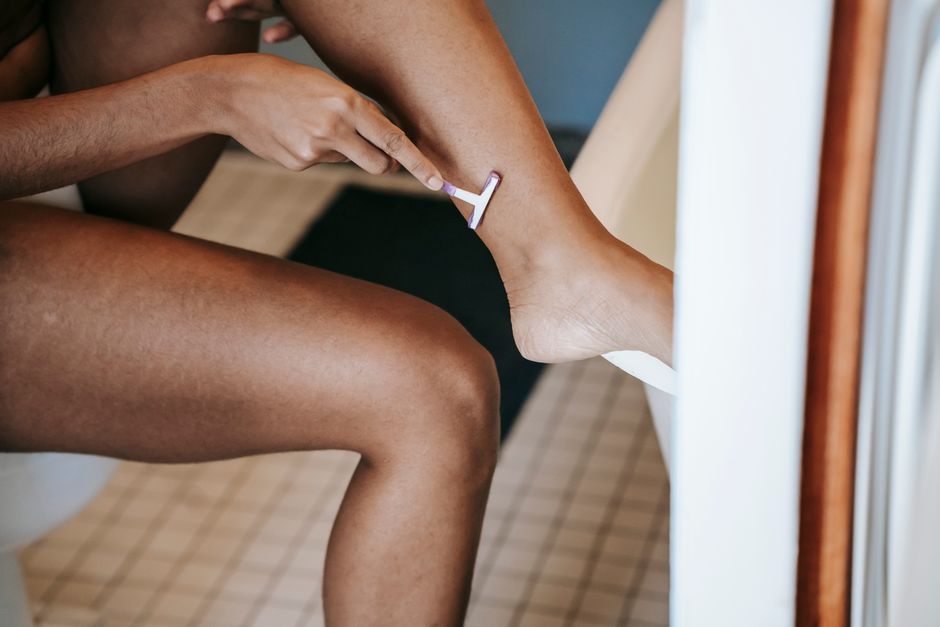
For skin, the approach is gentler. Coconut oil is a common moisturizer, so a thin layer is not a problem. The issue arises when you have applied too much, or when you need it off for a procedure or makeup application. Water alone will not work. You need an oil-based cleanser or a mild soap.
A common technique is the “double cleanse.” First, massage a cleansing oil or a gentle makeup remover balm into the dry skin. This breaks up the saturated fat. Then, wipe it off with a soft cloth. Finally, follow with your regular water-based facial cleanser to remove any remaining residue. This two-step process is standard in dermatology for removing heavy oils and sunscreen.
For the body, a simple dish soap like Dawn is highly effective because it is designed to cut grease. However, it is also very drying. Use it sparingly on the hands or arms, and rinse thoroughly. For the face, avoid dish soap. It is too harsh for facial skin and can strip the natural barrier, leading to irritation or breakouts. A plain bar soap or body wash will work well for most of the body.




How To Remove Coconut Oil From Clothes
Clothes require the most care. If you toss an oil-stained shirt directly into the washing machine, the heat from the dryer will set the stain permanently. The key is to treat the stain before washing. Do not rub the stain with a dry cloth, as this can push the oil deeper into the fibers.
Start by scraping off any excess solid oil with a butter knife or the edge of a credit card. Then, apply a few drops of dish soap directly to the stain. Dish soap is a degreaser and is more effective on oil than regular laundry detergent. Gently work the soap into the fabric with your fingers or a soft-bristled toothbrush. Let it sit for 10 to 15 minutes.
Next, wash the garment in the hottest water that is safe for the fabric. Check the care label first. Hot water helps melt the oil so the detergent can lift it. Use a heavy-duty liquid laundry detergent, not a powder. Powder detergents can leave residue on oil stains. After washing, inspect the stain before drying. If the stain is still visible, repeat the treatment. Never put the item in the dryer until the stain is gone, because heat will bake the oil into the fibers and make it nearly impossible to remove.
What About Baking Soda And Cornstarch?
You will see many home remedies suggesting baking soda or cornstarch to absorb oil. These powders can be helpful for dry, set-in stains on fabric. The idea is that the powder absorbs the oil out of the fibers. This works best on fresh, light stains. Sprinkle a thick layer of cornstarch or baking soda over the stain, press it down gently, and let it sit for at least an hour. The powder will turn clumpy as it absorbs the oil. Brush it off and then treat with dish soap before washing.
For hair and skin, however, these powders are less useful. Baking soda on the scalp can be irritating. Cornstarch on the skin can clog pores. Stick to powder absorption for fabrics only, and use soap-based methods for your body and hair. The evidence for powder absorption on hair is anecdotal, and there is no strong clinical support for using it over standard shampooing.
Does Cold Water Or Hot Water Work Better?
Temperature matters, but it works differently depending on the surface. For clothes, hot water is generally better for removing oil because it melts the fat, allowing the detergent to break it down. However, hot water can set protein-based stains like blood or sweat, so check the stain type first. For pure coconut oil, hot water is your friend.
For skin, hot water can strip natural oils and cause irritation. Use lukewarm water to rinse soap off your skin. For hair, hot water can also be drying to the scalp. Warm water is sufficient to activate the shampoo. The temperature of the water is less important than the type of cleanser you use. A good surfactant will work in cool water, but it works faster in warm water because the oil is liquid and easier to emulsify.
How To Prevent Coconut Oil Stains
Prevention is easier than removal. When applying coconut oil to your hair, wrap it in a towel or wear a shower cap. This prevents the oil from dripping down your neck and onto your clothes. If you are using it as a body moisturizer, wait five minutes before getting dressed. This allows the oil to absorb into the skin rather than transferring to your shirt.
For cooking, be careful when opening jars or pouring the oil. It can splatter. Keep a dedicated kitchen towel nearby to wipe up spills immediately. The faster you address a spill, the easier it is to clean. Once oil has dried and oxidized on fabric, it becomes harder to remove because it binds to the fibers.
Frequently Asked Questions
Can I use dish soap on my hair to remove coconut oil?
Yes, but it is not recommended. Dish soap will strip the oil, but it will also strip your hair’s natural moisture, leaving it dry and brittle. Use a clarifying shampoo instead.
Will coconut oil stains come out after drying?
If the item has been dried in a dryer, the stain is likely set and very difficult to remove. You can try soaking it in a degreaser, but the heat may have permanently bonded the oil to the fibers.
Is it safe to use baking soda on skin to remove oil?
Baking soda is too alkaline for the skin’s natural pH and can cause irritation. Use a gentle cleanser or a cleansing oil instead.
How long should I leave dish soap on a clothing stain?
Let it sit for 10 to 15 minutes. Longer is not necessarily better, and letting it dry out can make the stain harder to wash out.
