
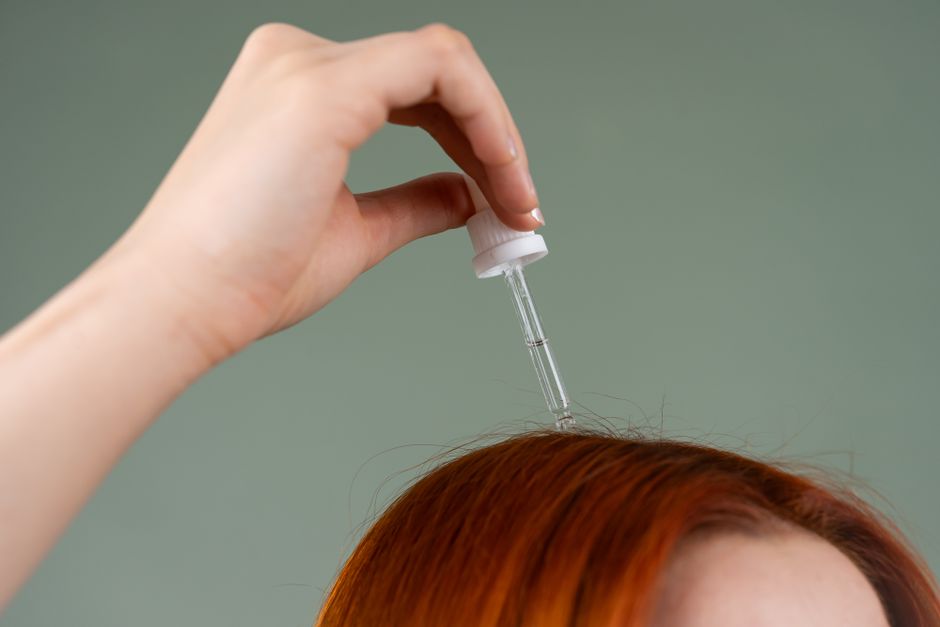
Your hair grows about half an inch per month on average, and that rate is mostly determined by genetics and overall health. While no magic trick can change your DNA, research shows that addressing nutritional gaps, scalp health, and hair care habits can help your hair reach its full growth potential. This guide covers what the evidence actually says about making your hair grow, what is overhyped, and what is worth your time.
What Actually Determines How Fast Your Hair Grows?
Hair growth happens in cycles. Each strand goes through a growing phase, a resting phase, and a shedding phase. The growing phase lasts two to seven years for scalp hair. This length of time is largely inherited from your parents.
The American Academy of Dermatology states that the average person loses 50 to 100 hairs per day. That is normal shedding. Hair growth slows with age, especially after 40. Hormonal changes, stress, and illness can also temporarily push more hairs into the shedding phase.
Blood flow to the scalp matters. Your hair follicles need oxygen and nutrients delivered through small blood vessels. Conditions that reduce blood flow, like smoking or untreated high blood pressure, can affect growth. The scalp itself needs to be healthy. Inflammation, dandruff, or psoriasis can disrupt the follicle environment.
One non-obvious point: hair growth rate is not the same everywhere on your head. The hair on your crown and temples grows at different rates than hair at the back of your head. This is why some people notice thinning in specific areas first.
Does How To Make Your Hair Grow Faster Actually Work?
There are two FDA-approved treatments for hair growth: minoxidil (Rogaine) and finasteride (Propecia). Minoxidil is available over the counter. Finasteride requires a prescription. Both have solid clinical evidence behind them.
Minoxidil works by stimulating blood flow to hair follicles and extending the growing phase. Research published in the Journal of the American Academy of Dermatology found that about 40 percent of men using minoxidil experienced moderate to dense regrowth after one year. For women, topical minoxidil at 2 percent or 5 percent concentration has shown similar results in controlled trials.
Finasteride blocks the conversion of testosterone to dihydrotestosterone (DHT), the hormone that shrinks hair follicles in male pattern baldness. The New England Journal of Medicine published a study showing finasteride slowed hair loss and promoted regrowth in 83 percent of men over two years. Women who are pregnant or may become pregnant should not handle finasteride.
Low-level laser therapy devices are also cleared by the FDA for hair growth. The evidence is weaker than for minoxidil or finasteride. Some studies show modest improvements, but the quality of research varies. These devices are expensive and require consistent use.
What Nutrients Actually Support Hair Growth?
Your hair is made of a protein called keratin. Getting enough protein in your diet is essential for hair growth. The recommended dietary allowance for protein is 46 grams per day for women and 56 grams for men, but many people need more depending on activity level.
Iron deficiency is a well-documented cause of hair loss, especially in women. The CDC reports that nearly 10 percent of women in the United States are iron deficient. A simple blood test can check your ferritin level. Research suggests that ferritin levels below 40 ng/mL may contribute to hair thinning.
Zinc and vitamin D also play roles. A study in Dermatology and Therapy found that people with low zinc levels were more likely to experience hair loss. Vitamin D receptors are present in hair follicles, and deficiency has been linked to alopecia areata. However, supplementing these nutrients only helps if you are actually deficient. Taking extra when levels are normal does not boost hair growth.
Biotin is the most popular supplement for hair growth, but the evidence is thin. Biotin deficiency is rare. The National Institutes of Health states that there is no strong evidence that biotin supplements improve hair growth in people who are not deficient. The one exception is people with biotinidase deficiency, a rare genetic condition.




What Hair Care Habits Actually Help?
How you handle your hair matters as much as what you put on it. Mechanical damage from brushing, heat styling, and tight hairstyles can break hair before it reaches its full length. Hair that breaks at the ends never gets longer, even if the root is growing normally.
Traction alopecia is a specific type of hair loss caused by pulling the hair too tight. Braids, weaves, and ponytails that pull on the follicle can cause permanent damage over time. The American Academy of Dermatology advises wearing styles that do not pull on the scalp and changing them regularly.
Heat styling at high temperatures damages the protein structure of hair. Using a heat protectant spray and keeping tools below 350 degrees Fahrenheit reduces damage. Air drying is gentler than blow drying, but wet hair is more fragile. Rubbing wet hair with a towel can cause breakage. Patting or using a microfiber cloth is better.
Washing frequency is debated. Washing too often can strip natural oils. Washing too rarely can allow sebum buildup that may clog follicles. Most dermatologists recommend washing every two to three days for average hair. Oily scalps may need daily washing. Dry scalps can go longer.
How Does Scalp Health Affect Hair Growth?
The scalp is skin. It needs the same basic care as the skin on your face. A healthy scalp has balanced oil production, normal cell turnover, and minimal inflammation. An unhealthy scalp can create an environment where follicles struggle.
Dandruff affects about 50 percent of adults worldwide according to the Journal of Clinical and Investigative Dermatology. It is caused by an overgrowth of a yeast called Malassezia. Dandruff itself does not cause hair loss, but the inflammation and scratching that come with it can damage follicles. Medicated shampoos containing ketoconazole, zinc pyrithione, or salicylic acid can help.
Scalp massage is a simple practice with some evidence behind it. A small study in the journal Eplasty found that participants who massaged their scalps for four minutes daily had thicker hair after 24 weeks. The mechanism is likely increased blood flow to the follicles. It is not a cure, but it costs nothing and has no side effects.
Dry scalp is different from dandruff. Dry scalp produces small white flakes. Dandruff produces larger yellow or greasy flakes. Using a moisturizing shampoo and avoiding harsh sulfates can help dry scalp. If you are unsure which you have, a dermatologist can tell you in a minute.
What About Supplements and Natural Remedies?
The supplement market for hair growth is enormous and poorly regulated. The FDA does not approve supplements for safety or effectiveness before they hit the market. Many products contain ingredients that sound promising but have little to no clinical evidence behind them.
Saw palmetto is often marketed as a natural alternative to finasteride. Some studies suggest it may block DHT, but the results are mixed. A review in the Journal of Alternative and Complementary Medicine found no strong evidence that saw palmetto improves hair growth. The studies that exist are small and short.
Pumpkin seed oil has one small study showing benefit. A 2014 trial in the journal Evidence-Based Complementary and Alternative Medicine found that men who took 400 mg of pumpkin seed oil daily for 24 weeks had 40 percent more hair growth than the placebo group. This is a single study and has not been replicated at scale.
Collagen supplements are popular, but the evidence for hair growth is weak. Collagen is a protein, and your body breaks it down into amino acids like any other protein. There is no convincing research showing that collagen specifically improves hair growth more than any other protein source.
| Treatment | Evidence Level | FDA Approved | Common Side Effects |
|---|---|---|---|
| Minoxidil (topical) | Strong | Yes | Scalp irritation, initial shedding |
| Finasteride (oral) | Strong | Yes | Sexual side effects in some men |
| Low-level laser therapy | Moderate | Cleared | None reported |
| Biotin supplements | Weak | No | None in normal doses |
| Saw palmetto | Weak to moderate | No | Mild digestive issues |
| Scalp massage | Moderate | No | None |
What Are Common Misconceptions About Hair Growth?
Cutting your hair does not make it grow faster. This is one of the most persistent myths. Hair grows from the root, not the ends. Trimming split ends prevents breakage, which helps hair appear longer over time, but the growth rate at the scalp is unchanged.
Brushing your hair 100 strokes a day does not stimulate growth. It actually causes mechanical damage. The old advice came from a time when women wore long hair that was rarely washed. Brushing distributed natural oils. Modern hair care does not need this.
Hair growth vitamins marketed with before-and-after photos are often misleading. Many companies use photos taken at different angles, under different lighting, or after styling. The Federal Trade Commission has taken action against several companies for deceptive advertising. Be skeptical of dramatic claims.
Stress causes hair loss, but the effects are delayed. Telogen effluvium is a condition where significant stress pushes hair follicles into the resting phase. Hair shedding typically starts two to three months after the stressful event. The good news is it is usually temporary. Hair grows back once the stress resolves.
Frequently Asked Questions
How long does it take for hair to grow back after shedding?
It typically takes three to six months for hair to regrow after a shedding phase. The exact timeline depends on the cause and your overall health.
Can hair growth supplements cause side effects?
Some supplements can cause digestive issues or interact with medications. High doses of vitamin A or selenium can actually cause hair loss.
Does washing hair less often help it grow?
Washing frequency does not directly affect growth rate. A clean scalp is healthier, but washing less often does not make hair grow faster.
Is hair loss always permanent?
No. Temporary shedding from stress, illness, or medication usually reverses on its own. Pattern baldness is progressive and requires treatment to slow or stop.
