
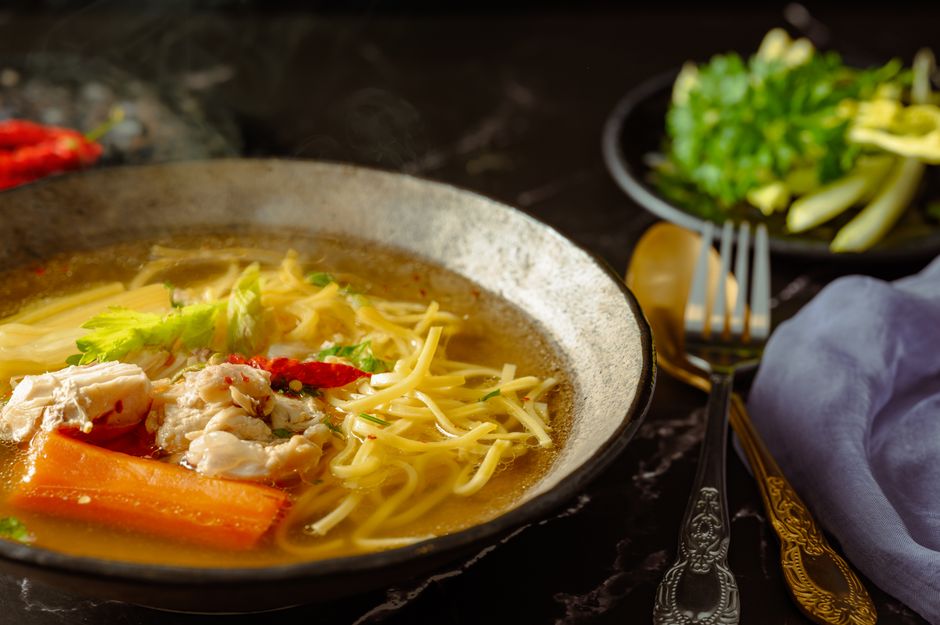
Your grandmother was right. Chicken noodle soup does help with a cold. It is not a cure. No food is. But research shows it can ease symptoms and help you feel better while your body fights the virus. The science is real, even if the evidence is not as dramatic as some claims suggest. Let’s look at what actually happens when you eat that bowl of soup.
Does Chicken Noodle Soup Help With A Cold Reduce Inflammation?
This is the most interesting part of the story. A study published in the journal Chest back in 2000 looked at how chicken soup affects neutrophils. These are white blood cells that cause inflammation in your upper airways. The researchers found that chicken soup actually slowed down the movement of these cells. Less movement means less inflammation in your nose and throat.
That matters because cold symptoms are mostly caused by inflammation, not the virus itself. When your immune system attacks the virus, it sends inflammatory cells to your nasal passages. That causes swelling, congestion, and mucus production. Chicken soup may calm that response down. The study was small and used lab samples, not actual sick people. But it has been cited for over two decades because the finding makes biological sense.
A more recent study from the University of Nebraska Medical Center confirmed these findings. They tested different soup recipes and found consistent anti-inflammatory effects. The researchers believe the combination of vegetables, chicken, and broth creates a synergistic effect. No single ingredient does the job alone.
Does The Steam From Chicken Soup Help Congestion?
Yes, and this part is simpler. The steam from hot soup works the same way as a steam inhalation. It adds moisture to your nasal passages. Dry air makes congestion worse. Moist air helps loosen mucus so you can breathe easier. This is not a cure for your cold, but it provides real relief for a stuffy nose.
Hot liquids in general help with this. A 2008 study compared hot chicken soup to hot water. Both improved nasal mucus velocity, which is a fancy way of saying mucus moved faster through the nose. The soup worked slightly better than water alone. The researchers suggested that the aroma and taste might add a benefit that plain hot water does not provide.
Think of the steam as a temporary decongestant. It works while you are eating and for a short time after. It will not clear your sinuses for hours, but it can make the meal more comfortable. If you have a cold and your nose is blocked, the steam alone is worth the effort of heating up a bowl.
What Nutrients In Chicken Soup Actually Help?
Chicken soup contains several nutrients that support your immune system. None of them cure a cold on their own, but they help your body function better while fighting one.
| Nutrient | What It Does | Where It Is Found In Soup |
|---|---|---|
| Protein | Builds antibodies and supports immune cell function | Chicken meat and broth |
| Vitamin A | Helps maintain mucous membranes in your nose and throat | Carrots and other vegetables |
| Vitamin C | Supports immune cell activity | Celery, onions, and added vegetables |
| Zinc | Helps immune cells develop and function | Chicken meat |
| Electrolytes | Replaces fluids lost from fever or sweating | Sodium and potassium in broth |
Notice that vitamin C is present but not in high amounts. You would need to eat several bowls to get a meaningful dose. The same is true for zinc. The real benefit is getting a mix of nutrients in one meal when you might not feel like eating much at all. It is hard to overstate how important it is to eat something when you are sick. Your immune system needs energy to work.





Does Chicken Soup Hydrate You Better Than Water?
When you have a cold, hydration matters a lot. Fever increases fluid loss. Mucus production uses water. Your body needs more fluid than usual. Chicken soup provides both water and electrolytes. The sodium in the broth helps your body hold onto the fluid longer than plain water would.
This is similar to how oral rehydration solutions work. Sports drinks do the same thing. But chicken soup has the advantage of being a real food that also provides calories and protein. Many people lose their appetite when sick. A warm bowl of soup is easier to tolerate than a sandwich or a plate of pasta.
Some people report that chicken soup soothes a sore throat better than cold liquids. There is no strong evidence for this, but it makes sense. The warmth can relax the muscles in your throat. The salt can temporarily reduce swelling. It is not a painkiller, but it is more pleasant than swallowing pills on an irritated throat.
What The Research Actually Says About Chicken Soup And Colds
Let me be direct about what the evidence shows and what it does not show. The Chest study from 2000 and the Nebraska study from later years both found anti-inflammatory effects in lab tests. That is real. But neither study proved that chicken soup shortens the duration of a cold. No study has shown that people who eat chicken soup recover faster than people who do not.
What the research does suggest is that chicken soup can reduce symptoms. Less inflammation means less congestion. Less congestion means you breathe easier. You sleep better. Your body can focus its energy on fighting the virus instead of managing symptoms. That might help you recover more comfortably even if it does not speed up the timeline.
The placebo effect is also worth mentioning. If you believe chicken soup helps, it probably will help you feel better. That is not fake. The placebo effect is a real biological response. Your brain releases endorphins and other chemicals when you expect relief. Those chemicals reduce pain and improve mood. Feeling better emotionally helps you cope with being sick.
What To Avoid When Making Chicken Soup For A Cold
Not all chicken soup is the same. Canned soups often contain high amounts of sodium. A single can can have over 800 milligrams of sodium. That is about a third of the daily recommended limit. If you are dehydrated, too much sodium can make things worse. Check the label. Look for low-sodium versions or make your own.
- Avoid soups with added sugar. Some brands add sugar for flavor. Sugar does not help your immune system.
- Avoid soups with cream or dairy. Dairy can thicken mucus for some people. The evidence is mixed, but it is not worth the risk when you are already congested.
- Avoid soups that are too hot. Scalding hot liquid can irritate your throat further. Let it cool to a comfortable temperature.
- Avoid skipping the vegetables. Carrots, celery, onions, and garlic add nutrients and flavor. They also contribute to the anti-inflammatory effect.
Making your own soup is simple. Simmer chicken bones or a whole chicken with carrots, celery, onions, and garlic for an hour or two. Add noodles or rice near the end. Season with salt, pepper, and herbs like thyme or parsley. You control the ingredients and the sodium level. It also tastes better than anything from a can.
Common Misconceptions About Chicken Soup And Colds
The biggest myth is that chicken soup can kill the cold virus. It cannot. No food can. The virus lives inside your cells. Soup cannot reach it there. Your immune system has to clear the virus on its own. What soup does is support your immune system while it works.
Another myth is that chicken soup works because of a specific magical ingredient. Some people claim garlic is the key. Others say the bones provide special minerals. The truth is that the combination matters more than any single component. The broth, the vegetables, the chicken, and the heat all contribute. That is why research has been unable to isolate one active ingredient.
Some people believe that chicken soup only works if you eat it at the first sign of a cold. There is no evidence for this. You can eat it at any point during your illness and still get the benefits. The anti-inflammatory effects and hydration help throughout the course of a cold, not just in the early stages.
Frequently Asked Questions
Does chicken noodle soup help with a cold or just make you feel better?
It does both. The soup reduces inflammation and provides hydration, which directly helps symptoms. The warmth and comfort also improve how you feel emotionally.
Can chicken soup cure a cold completely?
No. Chicken soup cannot cure a cold because the virus is inside your cells. It can ease symptoms and support your immune system while your body clears the infection.
How much chicken soup should I eat when I have a cold?
One or two bowls per day is reasonable. Eating more will not speed up recovery. Focus on staying hydrated and eating when you are hungry.
Is homemade chicken soup better than canned for a cold?
Yes. Homemade soup has less sodium and more vegetables. You control the ingredients. Canned soup can work in a pinch but check the sodium content first.
