
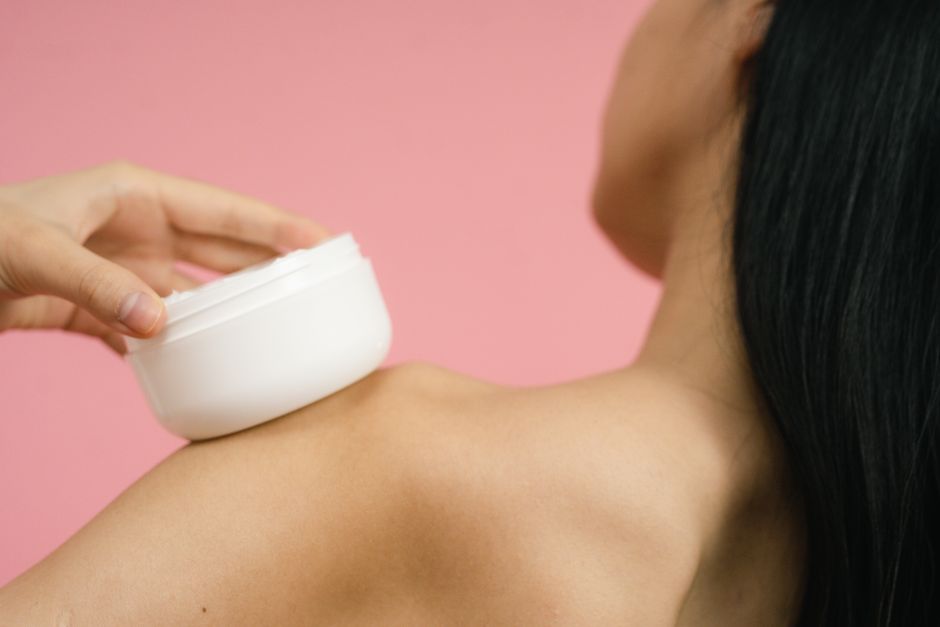
Cetyl alcohol often shows up in lotions, creams, and conditioners. The name sounds like it could be drying, especially if you associate alcohol with astringents or hand sanitizer. But cetyl alcohol is a different kind of ingredient entirely. It does not dry skin. It is a fatty alcohol that helps moisturize and protect the skin barrier.
What Is Cetyl Alcohol Actually Made Of?
Cetyl alcohol comes from natural sources like coconut oil or palm oil. It can also be made synthetically. Chemically, it is a fatty alcohol with 16 carbon atoms. This is completely different from short-chain alcohols like ethanol or isopropyl alcohol, which evaporate quickly and can strip moisture from the skin.
Fatty alcohols are waxy solids at room temperature. They feel smooth and creamy when added to skincare products. They are not drying because they do not evaporate. Instead, they stay on the skin and help lock in moisture.
The confusion is understandable. The word “alcohol” covers a broad family of compounds. Some alcohols dry the skin. Others do the opposite. Cetyl alcohol belongs to the moisturizing group.
Does Cetyl Alcohol Dry Skin Or Moisturize It?
Cetyl alcohol moisturizes the skin. It works in two main ways. First, it acts as an emollient, which means it softens the skin by filling in gaps between skin cells. Second, it acts as an occlusive agent, which means it forms a thin layer on the skin surface to reduce water loss.
Research consistently shows that fatty alcohols like cetyl alcohol improve skin hydration. They are common ingredients in products designed for dry skin, eczema, and sensitive skin conditions. Dermatologists routinely recommend products containing cetyl alcohol for people with compromised skin barriers.
This is not a marketing claim. The chemistry is well established. Cetyl alcohol has a long carbon chain that makes it lipophilic, or oil-loving. This allows it to blend with the skin’s natural oils and create a protective barrier that keeps water in.
Why Some People Think Cetyl Alcohol Is Drying
Many people assume all alcohols are the same. This is a common misconception. Denatured alcohol, SD alcohol, and isopropyl alcohol are drying. They are often used in toners and acne products to cut through oil and provide a quick-drying feel.
Cetyl alcohol, cetearyl alcohol, and stearyl alcohol are fatty alcohols. They have completely different properties. They are used in skincare to add thickness, improve texture, and provide moisture. They do not have the same drying effects as simple alcohols.
Another reason for the confusion is that some products contain both drying alcohols and fatty alcohols. If a product irritates your skin, it is easy to blame cetyl alcohol. But the irritation is more likely caused by another ingredient, such as fragrance, preservatives, or a different type of alcohol.


How Cetyl Alcohol Helps the Skin Barrier
Your skin barrier is the outermost layer of your skin. It keeps water in and irritants out. When this barrier is damaged, skin becomes dry, flaky, and sensitive. Cetyl alcohol supports this barrier in several ways.
As an emollient, it smooths rough patches. As an occlusive, it slows down water loss from the skin. This is called transepidermal water loss, or TEWL. Reducing TEWL is one of the main goals of moisturizing. Cetyl alcohol helps achieve this.
Some studies indicate that fatty alcohols can also enhance the penetration of other beneficial ingredients. This means cetyl alcohol may help other moisturizing ingredients in your product work better. It is not just a filler ingredient.
Is Cetyl Alcohol Safe for Sensitive Skin?
Cetyl alcohol is generally well tolerated. It is considered a low-risk ingredient for most people, including those with sensitive skin. It is non-comedogenic, which means it does not typically clog pores.
People with eczema and rosacea often tolerate cetyl alcohol well. It is found in many products formulated specifically for these conditions. The National Eczema Association frequently accepts products containing cetyl alcohol for their seal of approval.
Allergic reactions are rare but possible. Some people may develop contact dermatitis from fatty alcohols, though this is uncommon. If you notice redness, itching, or stinging after using a product with cetyl alcohol, stop using it and speak with a dermatologist.
Cetyl Alcohol in Hair Care Products
Cetyl alcohol is also common in conditioners and hair masks. It works similarly on hair as it does on skin. It coats the hair shaft, smooths the cuticle, and reduces frizz. It helps hair retain moisture and prevents breakage.
People with dry or damaged hair often benefit from products containing cetyl alcohol. It is especially useful for curly and coily hair types, which tend to be drier. It provides slip, making hair easier to detangle.
Like with skin, cetyl alcohol does not dry out hair. It is a conditioning agent. If you see cetyl alcohol in a hair product, it is there to improve moisture retention, not to strip it away.
Common Products That Contain Cetyl Alcohol
You will find cetyl alcohol in a wide range of products. These include:
- Moisturizers and body lotions
- Facial creams and night creams
- Sunscreens
- Conditioners and hair masks
- Cleansing balms and makeup removers
- Lip balms
In these products, cetyl alcohol serves multiple roles. It thickens the formula, gives it a creamy texture, and helps stabilize emulsions. Emulsions are mixtures of oil and water. Without ingredients like cetyl alcohol, these mixtures would separate.
This is why cetyl alcohol is so widely used. It is versatile, inexpensive, and effective. It improves the feel of a product while also providing skin benefits.
How to Tell If a Product Is Moisturizing
Reading ingredient labels can help you choose the right products. Look for fatty alcohols like cetyl alcohol, cetearyl alcohol, or stearyl alcohol. These are signs that a product is likely to be moisturizing.
Be cautious of products that list denatured alcohol, SD alcohol, or alcohol denat near the top of the ingredient list. These are drying alcohols. They are more likely to be found in products for oily or acne-prone skin.
Keep in mind that ingredient order matters. Ingredients are listed by concentration, from highest to lowest. If cetyl alcohol appears early in the list, the product contains a significant amount. If it appears near the end, the amount is small.
A product can contain both drying and fatty alcohols. This is common in some toners and acne treatments. The overall effect depends on the concentration of each and the other ingredients in the formula.
Does Cetyl Alcohol Cause Breakouts?
Cetyl alcohol has a comedogenic rating of 2 out of 5 on the standard scale. This means it has a low to moderate chance of clogging pores. However, this rating is based on older testing methods that may not reflect real-world use.
In practice, most people do not experience breakouts from cetyl alcohol. It is a common ingredient in products designed for acne-prone skin. Many dermatologists consider it safe for people who are prone to clogged pores.
If you have very oily or acne-prone skin, you might prefer products where cetyl alcohol is not one of the first few ingredients. But there is no strong evidence that cetyl alcohol causes acne in most people.
Frequently Asked Questions
Can cetyl alcohol dry out your skin?
No, cetyl alcohol does not dry out skin. It is a fatty alcohol that acts as an emollient and occlusive, helping to retain moisture in the skin.
Is cetyl alcohol good for dry skin?
Yes, cetyl alcohol is beneficial for dry skin. It helps soften the skin and reduces water loss, making it a common ingredient in moisturizers for dry skin.
Is cetyl alcohol the same as rubbing alcohol?
No, cetyl alcohol is not the same as rubbing alcohol. Rubbing alcohol, or isopropyl alcohol, is a drying short-chain alcohol, while cetyl alcohol is a moisturizing fatty alcohol.
Does cetyl alcohol clog pores?
Cetyl alcohol has a low to moderate comedogenic rating, but most people do not experience clogged pores from it. It is widely used in products formulated for acne-prone skin.
