
Rubbing alcohol can cause a chemical burn, and the right response is to remove it from your skin and flush the area with cool running water for 15 to 20 minutes. Do not apply ice, butter, toothpaste, or another layer of alcohol. If the burn blisters, turns white or black, or covers a large area, seek medical care rather than treating it at home.
Most people think of burns as coming from heat. Rubbing alcohol burns differently. It is a chemical injury, and the treatment follows chemical burn rules, not kitchen-scald rules. That distinction matters because the instinct to reach for ice or a greasy ointment can make things worse.
How Does Rubbing Alcohol Burn Skin?
Rubbing alcohol is a solvent. The common form is isopropyl alcohol, usually sold as a 70% or 91% solution in water. It strips oils and fats out of whatever it touches. Your skin’s outer layer is built partly from fats, so prolonged contact breaks that barrier down.
The alcohol also evaporates fast, and evaporation pulls heat away from the skin. That cooling effect is why it feels cold. In a brief wipe, that is harmless. In a soak, a compress left in place, or a spill that stays on the skin, the solvent action and the drying effect together damage the outer skin layer and sometimes the layer beneath it.
This is a chemical burn, not a thermal one. The damage does not stop the moment you pull your hand away. Alcohol that has soaked into clothing, a bandage, or a crease of skin keeps working until it is diluted or removed. That is why flushing matters more than waiting to see what happens.
People at higher risk include anyone with thin or fragile skin, which is common in older adults, and anyone with a skin condition that already weakens the barrier, such as eczema. A brief splash on healthy skin usually causes nothing more than dryness and redness. Repeated exposure is where problems build.
How To Treat Rubbing Alcohol Burns On Skin
Move fast and keep it simple. The goal is to get the alcohol off the skin and dilute whatever remains.
- Remove any clothing, gloves, or bandages that soaked up the alcohol. If fabric is stuck to the skin, do not rip it off. Cut around it and let a medical professional remove the rest.
- Flush the area with cool, gently running water for 15 to 20 minutes. Cool tap water is fine. Do not use ice water.
- Wash the area gently with mild soap and water after flushing. This clears any alcohol still sitting on the surface.
- Pat dry with a clean, soft cloth. Do not rub.
- Cover the burn loosely with a sterile, non-stick dressing if it is open or painful.
- Leave small intact blisters alone. They are a natural dressing.
Skip the home remedies. Ice can cause a second injury by freezing tissue that is already damaged. Butter, oil, and petroleum jelly trap heat and debris and can hold bacteria against the wound. Toothpaste and baking soda paste are abrasive and irritate the skin further.
Over-the-counter pain relief such as acetaminophen or ibuprofen can help with discomfort in adults who can safely take them. For burn-specific wound care, follow the instructions on any product you use, and check with a pharmacist if you are unsure.
When Should You See a Doctor for a Rubbing Alcohol Burn?
Most small rubbing alcohol burns heal at home. Some need a clinician’s eyes, and a few need care right away.
Seek medical attention if:
- The burn is larger than your palm, or it wraps around a limb.
- The skin looks white, waxy, brown, or black.
- The burn is on your face, hands, feet, genitals, or over a joint.
- You have blisters that are large, spreading, or filled with cloudy fluid.
- The area is numb, or you cannot feel it normally.
- There is increasing pain, swelling, redness, or a bad smell after the first day.
- You breathed in a lot of alcohol vapor and feel dizzy, drowsy, or short of breath.
- The burn is on a child or an older adult with fragile skin.
Isopropyl alcohol is toxic if swallowed and dangerous if absorbed in large amounts through damaged skin. Signs of alcohol poisoning include confusion, slow breathing, vomiting, and unresponsiveness. If any of those appear, call 911 or your local poison control center immediately. Do not wait to see if it passes.




What Does a Rubbing Alcohol Burn Look Like?
Early on, the skin usually turns red and feels dry, tight, or stinging. It may look and feel like a sunburn at first. Over the next several hours, the area can develop small blisters or start to peel.
With deeper damage, the skin may look pale, shiny, or waxy, and it can turn white or gray. In severe cases it may look brown or charred. Deep burns often hurt less than they look like they should, because the nerves in that layer are damaged. That quiet appearance is a warning sign, not a good one.
Keep in mind that a chemical burn can keep developing for hours after contact ends. What looks minor at first can look worse the next morning. This is one reason not to judge a rubbing alcohol burn in the first few minutes.
Does Rubbing Alcohol Help Other Skin Problems?
Rubbing alcohol is a disinfectant for surfaces and intact skin, not a treatment for wounds or skin conditions. Using it on broken skin, cuts, or burns causes pain and can slow healing by damaging the tissue that is trying to repair itself.
Some people use alcohol to dry out acne or to clean a piercing. For acne, alcohol can reduce surface oil, but it also strips the skin barrier, which can lead to more irritation and more oil production over time. Benzoyl peroxide and other acne treatments have better evidence behind them. For piercings, saline solution is the standard cleaning method; alcohol is harsh on healing tissue and is generally not recommended.
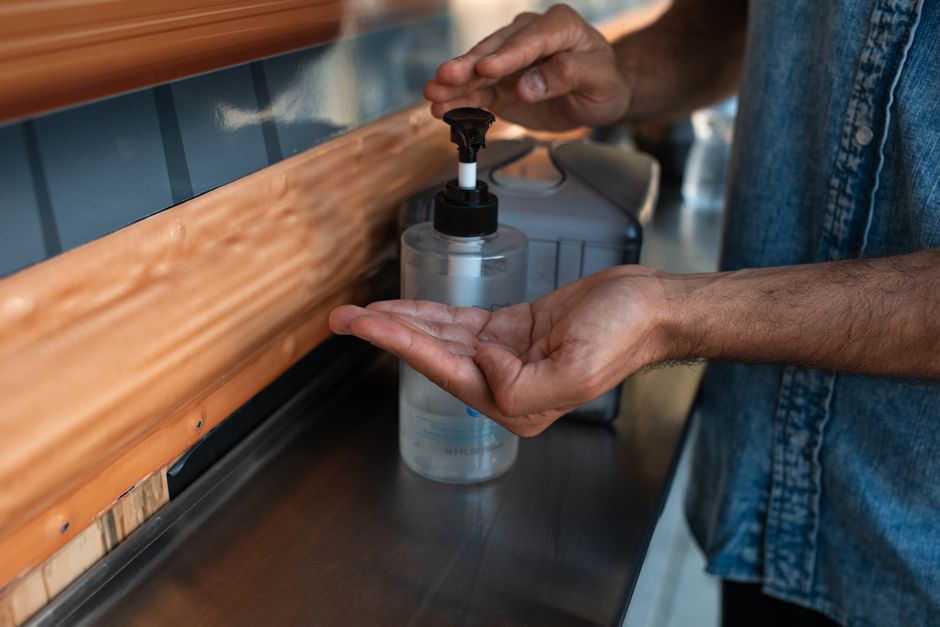
One non-obvious point: alcohol-based hand sanitizers are formulated with skin conditioners and are meant to be used on intact skin. Repeated use can still dry out hands, but a single use is not the same as soaking your skin in rubbing alcohol. The concentration, contact time, and added ingredients all matter.
How To Prevent Rubbing Alcohol Burns
Most of these burns come from everyday tasks, not accidents. A few habits cut the risk sharply.
- Pour alcohol onto a cloth or cotton pad, not directly onto your skin.
- Keep contact brief. A quick wipe is fine. Soaks and long compresses are not.
- Never leave an alcohol-soaked pad or bandage on the skin.
- Wear gloves when using alcohol for cleaning or first aid on someone else.
- Ventilate the room and avoid breathing the vapor.
- Keep bottles out of reach of children and store them capped.
- If you have fragile or sensitive skin, use gentler cleansers for routine skin care.
The single biggest mistake is leaving alcohol on the skin and assuming it will simply evaporate and do no harm. Evaporation is fast, but the drying and solvent effects on the skin barrier can linger well after the liquid is gone.
How Long Does It Take for a Rubbing Alcohol Burn To Heal?
Minor burns that only redden the skin usually settle within a few days. Superficial burns with small blisters often take one to two weeks to heal, though the exact timeline varies with the size of the area, your age, and your general health.
Deeper burns take longer and carry a higher risk of scarring and infection. If a burn is not clearly improving within a few days, or if it seems to be getting worse, that is a reason to have it checked rather than to keep waiting.
There is no reliable way to predict healing time for a specific burn from the outside. The depth of the damage, which you often cannot see, drives the timeline more than the size does. When in doubt, get it looked at.
Frequently Asked Questions
Should I put ice on a rubbing alcohol burn?
No. Ice can damage already injured skin and cause a cold burn on top of the chemical burn. Use cool running water for 15 to 20 minutes instead.
How long should I flush a rubbing alcohol burn with water?
Flush the area with cool running water for 15 to 20 minutes. This dilutes any alcohol still on the skin and helps stop the chemical reaction from continuing.
Can rubbing alcohol burns blister?
Yes. A burn deep enough to damage the layer below the surface can blister, sometimes hours after contact. Leave small intact blisters alone and have large or spreading ones checked by a clinician.
When should I go to the hospital for a rubbing alcohol burn?
Go right away if the burn is large, looks white or black, is on your face or hands, or if you feel dizzy or short of breath. Also seek emergency care if alcohol was swallowed or absorbed in a large amount.
