
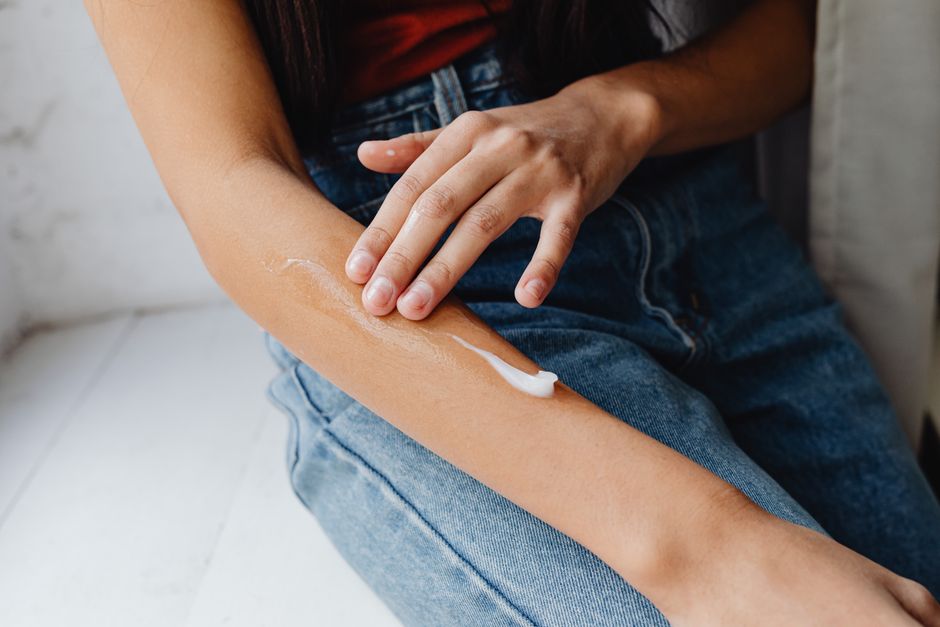
You moisturize every day, sometimes twice, and your skin still feels tight, rough, or flaky. That happens because most moisturizers are not adding water to your skin. They are slowing down water loss and holding in moisture that is already there. If your skin cannot hold water in the first place, or if something is actively damaging the outer layer, a moisturizer can only do so much.
Dry skin is not one problem. It is a group of problems that look similar on the surface. The fix depends on which one you have.
What Is Actually Happening in Dry Skin?
Your skin has an outer layer called the stratum corneum. Think of it as a brick wall. The “bricks” are flattened skin cells. The “mortar” between them is a mix of fats, including ceramides, cholesterol, and fatty acids. This structure keeps water inside your body and keeps irritants out.
When that mortar breaks down, water escapes through your skin faster than normal. Scientists call this transepidermal water loss. Your skin loses water all day, every day, even when it looks fine. When the barrier is damaged, the loss speeds up. Your skin then feels tight, looks dull, and may crack or itch.
This is why a moisturizer alone often is not enough. If the barrier is broken, you are trying to seal a leaky wall from the outside. It helps, but it does not repair the mortar.
Why Is Your Skin So Dry Even When I Moisturize?
Because most moisturizers trap water rather than add it, and they cannot rebuild a damaged barrier on their own. Skin needs three things to stay hydrated: water in the tissue, fats that hold the water, and a barrier that keeps it from escaping. A moisturizer usually only addresses one of those.
There is another reason. Many people apply moisturizer to skin that is already dry. The product sits on the surface and feels nice for an hour. Then it wears off, and the skin underneath is still dry.
The most common reason moisturizer fails is simple: the product is the wrong type for the problem. A light lotion works for mildly dry skin. It does very little for skin with a damaged barrier, which needs heavier fats and barrier-repair ingredients.
Some moisturizers also contain ingredients that sting or irritate already-damaged skin. Fragrance and certain preservatives are common culprits. If your skin burns when you apply a product, that is not a sign it is working. It is a sign the barrier is compromised.
What Are the Most Common Causes of Dry Skin?
Dry skin usually has more than one cause. The most common ones are environmental, behavioral, and medical.
- Low humidity. Cold air holds less moisture. Indoor heating dries the air further. This is why many people have dry skin in winter.
- Hot water and long showers. Hot water strips oils from the skin surface. Long, hot showers make this worse.
- Harsh soaps. Many bar soaps and body washes remove the skin’s natural oils more than necessary.
- Aging. Oil gland activity and barrier function decline with age. This is a normal change, not a disease.
- Genetics. Some people naturally produce fewer barrier fats.
- Medical conditions. Eczema, psoriasis, and thyroid problems can all cause dry skin.
- Medications. Some drugs, including certain acne treatments and cholesterol medications, can dry the skin.
If your skin is dry despite good habits, and especially if it is itchy, cracked, or inflamed, a medical cause deserves a look. Dry skin that does not respond to basic care is worth mentioning to a doctor.




Does Drinking More Water Fix Dry Skin?
No. Drinking water does not directly hydrate the outer layer of your skin. This is one of the most persistent myths about dry skin.
Your body tightly controls water balance. If you are not dehydrated, extra water mostly passes through your system. It does not get routed to your skin’s surface. Studies on this have generally found little to no effect on skin hydration from drinking extra water in people who are already adequately hydrated.
Staying hydrated matters for your overall health. It just is not a treatment for dry skin. If someone tells you to drink eight glasses a day to fix dry skin, that advice is not supported by the evidence.
Which Moisturizer Ingredients Actually Help?
Moisturizers fall into three groups, and most products mix them. Knowing the groups helps you pick the right one.
Humectants pull water into the top layer of skin. Examples include glycerin, hyaluronic acid, and urea. They work best when something seals them in. Used alone in very dry air, they can actually pull water from deeper skin and make dryness worse.
Emollients are fats that soften skin and fill the gaps between skin cells. Examples include plant oils, lanolin, and fatty alcohols. They improve how skin feels and help it stay flexible.
Occlusives block water from escaping. Examples include petrolatum, mineral oil, and dimethicone. Petrolatum is one of the most effective ingredients for reducing water loss, and it has been used in skin care for well over a century.
For barrier repair, ingredients like ceramides, cholesterol, and fatty acids are worth looking for. These are the same materials your skin uses to build its mortar. Research on barrier-repair creams suggests they can improve skin hydration and reduce water loss, though results vary by product and by person.
| Ingredient type | What it does | Common examples |
|---|---|---|
| Humectant | Pulls water into skin | Glycerin, hyaluronic acid, urea |
| Emollient | Softens and fills gaps | Plant oils, lanolin, fatty alcohols |
| Occlusive | Blocks water loss | Petrolatum, mineral oil, dimethicone |
| Barrier repair | Rebuilds skin fats | Ceramides, cholesterol, fatty acids |
How Should You Apply Moisturizer for It to Work?
Timing and technique matter more than most people realize. The single most effective change is applying moisturizer to slightly damp skin, within a few minutes of washing.
Here is what tends to work:
- Use lukewarm water, not hot. Keep showers short.
- Pat skin dry gently. Leave it slightly damp.
- Apply moisturizer within about three minutes of washing.
- Use a thicker product, like an ointment or cream, for very dry areas.
- Reapply during the day if skin feels tight.
- Choose fragrance-free products if your skin stings or reacts.
A common mistake is applying moisturizer to completely dry skin. The product then has no water to trap. Damp skin gives it something to hold onto.
Another mistake is using too little. Many people apply a thin film when a thicker layer is needed. For very dry skin, a generous layer of an ointment at night can make a real difference.
When Is Dry Skin a Sign of Something Else?
Dry skin is usually a surface problem. Sometimes it is a symptom of a condition that needs treatment.
Eczema, also called atopic dermatitis, causes dry, itchy, inflamed skin. It involves a genuinely impaired skin barrier, often linked to genetics. Psoriasis causes thick, scaly patches. Both conditions need medical care, not just moisturizer.
Other signs worth checking with a doctor include:
- Skin that cracks, bleeds, or oozes
- Severe itching that disrupts sleep
- Dry skin that spreads or gets worse despite care
- Dry skin along with fatigue, weight change, or hair thinning, which can point to a thyroid issue
- Redness, swelling, or warmth, which may suggest infection
No clinical guidelines support self-treating these signs with moisturizer alone. If your skin is not improving with consistent basic care, that is the point to get it looked at.
Can You Prevent Dry Skin in the First Place?
You can reduce how often it happens, though some causes, like aging and genetics, are not preventable.
The habits that help most are the boring ones. Keep showers short and lukewarm. Use gentle, fragrance-free cleansers. Moisturize every day, even when skin feels fine. Run a humidifier in dry indoor air. Wear gloves in cold weather.
For people prone to dry skin, consistency matters more than any single product. Skin barrier repair takes time. Most people see improvement within a few days to a couple of weeks of consistent care. If nothing changes after that, the cause is probably something a moisturizer cannot fix.
Frequently Asked Questions
Why is my skin still dry after moisturizing?
Most moisturizers trap water rather than add it, so they cannot fix a damaged barrier on their own. If you apply them to already-dry skin, or use a product too light for your skin, dryness returns quickly.
Does drinking more water help dry skin?
No, drinking extra water does not directly hydrate the outer layer of skin in people who are already adequately hydrated. Staying hydrated supports overall health, but it is not a treatment for dry skin.
What is the best ingredient for very dry skin?
Petrolatum is one of the most effective ingredients for reducing water loss from skin. For barrier repair, ceramides, cholesterol, and fatty acids are worth looking for, ideally in a fragrance-free product.
How long does it take for dry skin to improve?
With consistent care, most people notice improvement within a few days to a couple of weeks. If skin does not improve after that, the cause may be a medical condition that needs a doctor’s evaluation.
