
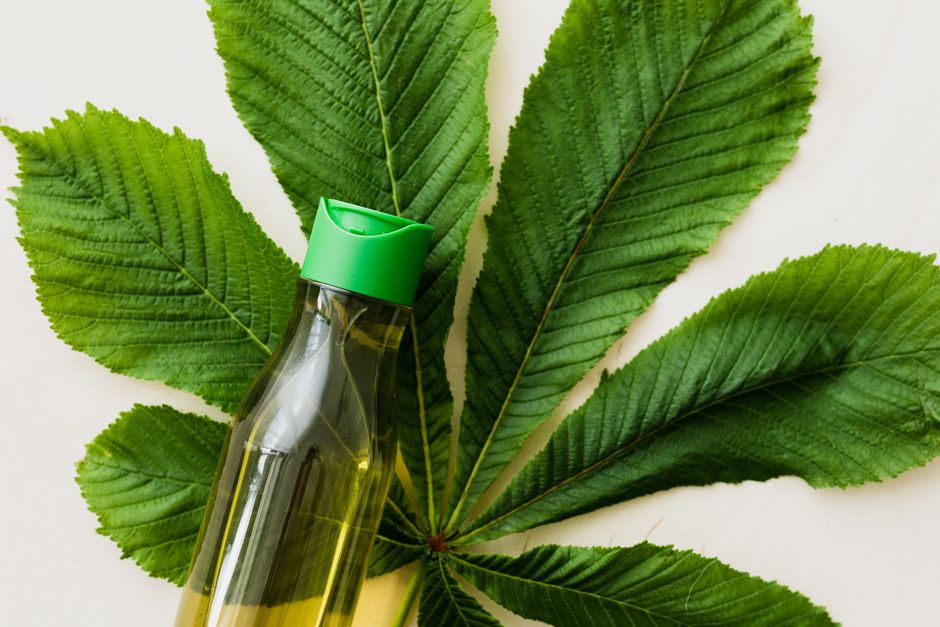
Castor oil does not darken skin. It has no pigment, no melanin-stimulating ingredient, and no mechanism that increases melanin production. The myth likely comes from confusion with other oils that can cause dark patches, or from castor oil’s thick, sticky texture trapping dirt and dead skin on the surface.
What castor oil can do is cause a temporary dark appearance if it is not fully cleansed off. That is a surface effect, not a change in skin color. The deeper question — whether castor oil changes pigmentation at a cellular level — has a clear answer: it does not.
What Is Castor Oil and What Does It Actually Do to Skin?
Castor oil is a thick, pale yellow vegetable oil pressed from the seeds of the castor plant, Ricinus communis. Its dominant fatty acid is ricinoleic acid, which makes up roughly 85 to 90 percent of the oil. That high concentration is unusual. Most plant oils contain a mix of fatty acids in more balanced proportions. Ricinoleic acid gives castor oil its distinctive heavy texture, its ability to hold moisture against the skin, and its strong laxative effect when taken internally.
Applied to skin, castor oil works mainly as an occlusive — it forms a film that slows water loss from the surface. That is a real and measurable effect. It does not mean castor oil penetrates deeply or changes how skin cells behave. Occlusives sit on top of the skin. They reduce dryness and can make skin feel softer. They do not signal melanocytes to produce more pigment.
Melanin production is controlled by melanocytes in the basal layer of the epidermis. The main trigger for increased melanin is ultraviolet radiation, along with certain hormones, inflammation, and some medications. Castor oil does not act on any of these pathways. There is no established mechanism by which applying it to skin would increase pigmentation.
Does Castor Oil Darken Skin? Facts vs Myths
The claim that castor oil darkens skin is not supported by clinical evidence. No human studies have shown that topical castor oil increases melanin or causes hyperpigmentation. The confusion usually traces back to a few specific situations.
Dirt and product buildup. Castor oil is very sticky. If it is applied and not thoroughly removed, it can collect dust, dead skin cells, and residue from other products. On darker skin tones or in certain lighting, that film can look like a dark patch. Washing it off reveals the skin underneath is unchanged.
Confusion with other oils. Some people mix castor oil with oils that genuinely can irritate skin or cause photosensitivity. Citrus oils are a well-known example — certain citrus essential oils contain compounds that make skin more sensitive to sunlight, which can lead to dark spots after sun exposure. The problem is the added oil, not the castor oil.
Confusion with the castor plant. The castor plant and its seeds are toxic if ingested, but the refined oil sold for cosmetic use is not the same as the raw plant material. There is no evidence the oil causes skin pigmentation.
Post-inflammatory hyperpigmentation. If castor oil causes irritation or a reaction in someone with sensitive skin, the inflammation itself can lead to darkening. This is a general skin response to injury or irritation, not something specific to castor oil. Any irritant can do it.
Can Castor Oil Make Skin Lighter or Even Out Skin Tone?
No. Castor oil is not a skin lightener. Claims that it fades dark spots or evens skin tone are not backed by clinical evidence. Ricinoleic acid does not inhibit tyrosinase, the enzyme involved in melanin production. It does not exfoliate. It does not block UV radiation in any meaningful way.
What castor oil can do is improve the look of dry, flaky skin by holding in moisture. When skin is well hydrated, it can appear slightly brighter and more even. That is a hydration effect, not a pigment change. The underlying melanin is the same.
If someone is dealing with genuine hyperpigmentation — melasma, sun spots, post-inflammatory marks — castor oil is not a treatment. Evidence-based options exist, including certain topical agents and procedures, and those are worth discussing with a dermatologist. Castor oil is not among them.




Why Does Castor Oil Have a Reputation for Changing Skin Color?
The reputation likely grew from a few overlapping sources.
- Cultural beauty practices. Castor oil has a long history in traditional beauty routines in several regions, often mixed with other ingredients. Over time, the oil itself became credited with effects that came from the full routine or from unrelated factors.
- Social media claims. Videos and posts often show dramatic before-and-after results. These are rarely controlled. Lighting, camera settings, and other simultaneous changes make it impossible to attribute results to castor oil alone.
- Eyebrow and eyelash use. Castor oil is popular for eyebrows and lashes. Some people report that brows look darker after use. This is most likely because the oil coats the hairs and makes them appear slightly darker or glossier, the same way wet hair looks darker than dry hair. It is a cosmetic effect on the hair surface, not a change in hair pigment.
- Conflation with other oils. As noted, oils that cause irritation or photosensitivity can lead to dark spots. When castor oil is part of a blend, it can get blamed by association.
None of these sources point to castor oil itself changing skin pigment.
What Actually Causes Skin to Darken?
Understanding what does darken skin makes it easier to see why castor oil does not.
Melanin is produced by melanocytes in response to several triggers. The most significant is UV radiation. When skin is exposed to sunlight, melanocytes increase melanin production as a protective response. This is tanning. It is the body’s attempt to shield DNA in skin cells from UV damage.
Other triggers include:
- Hormonal changes. Pregnancy, hormonal contraceptives, and some endocrine conditions can increase pigmentation. Melasma is a common example.
- Inflammation. Acne, eczema, cuts, burns, and irritating products can leave dark marks after they heal. This is post-inflammatory hyperpigmentation.
- Medications. Some drugs, including certain antibiotics and chemotherapy agents, can cause photosensitivity or direct pigmentation changes.
- Friction. Repeated rubbing in areas like the underarms or inner thighs can contribute to darkening in some people.
- Genetics and age. Freckles, age spots, and natural skin tone variation are largely determined by genetics and cumulative sun exposure.
Castor oil does not appear on this list. It is not a photosensitizer, it does not trigger melanin production, and it does not cause the kind of inflammation that leads to dark marks unless someone has a specific allergic reaction to it.
Does Castor Oil Have Any Real Skin Benefits?
Castor oil does have legitimate uses, just not the ones tied to skin lightening or darkening.
Its occlusive properties make it useful for very dry skin, particularly on the body and lips. It can help reduce water loss and soften rough patches. Some people use it as a carrier oil for essential oils, though it is thicker than most carrier oils and can be difficult to spread.
It is also used in some cosmetic formulations and in traditional medicine for various purposes. Its laxative use is well established when taken orally, but that is a separate topic from skin care.
What castor oil is not:
- It is not a sunscreen.
- It is not a treatment for hyperpigmentation.
- It is not a proven hair growth promoter, despite widespread claims.
- It is not a skin lightener.
For most people, castor oil is safe to use on skin. It can cause irritation in some, particularly those with sensitive or acne-prone skin, because its heavy texture can clog pores. A patch test on a small area is a reasonable precaution before applying it more widely. If redness, itching, or new dark spots appear, stop using it.
The Bottom Line on Castor Oil and Skin Darkening
Castor oil does not darken skin. It has no pigment and no effect on melanin production. The myth likely comes from product buildup, confusion with other oils, or the way castor oil makes eyebrow and eyelash hairs look temporarily darker by coating them.
If you are concerned about skin darkening, the factors that actually matter are sun exposure, hormonal changes, inflammation, and certain medications. Castor oil is not one of them. And if you are looking to fade existing dark spots, castor oil is not the answer — evidence-based options exist, and a dermatologist can help you sort through them.
Frequently Asked Questions
Does castor oil darken skin permanently?
No. Castor oil does not change skin pigment at all, so there is nothing to reverse or make permanent. Any dark appearance from castor oil is surface residue that washes off.
Why do my eyebrows look darker after using castor oil?
The oil coats the hairs and makes them look darker and glossier, similar to how wet hair looks darker than dry hair. This is a temporary cosmetic effect on the hair surface, not a change in hair pigment.
Can castor oil lighten dark spots?
No. Castor oil does not inhibit melanin production or exfoliate skin, so it does not fade hyperpigmentation. Evidence-based treatments for dark spots exist and are worth discussing with a dermatologist.
Is castor oil safe to use on my face?
For most people, yes, but its heavy texture can clog pores and cause irritation in acne-prone or sensitive skin. A patch test on a small area is a reasonable first step.
