
If the skin on your hands feels tight, rough, or cracked, the cause usually comes down to one thing: your hands have lost more water and oil than they can replace. Hand skin is thinner than most skin on your body, it has very few oil glands, and it gets washed many times a day. That combination makes hands one of the first places to dry out and one of the last to recover.
Why is my hand skin so dry? The most common reasons are frequent handwashing, cold or dry air, harsh soaps, and everyday exposure to water and chemicals. The fixes start with gentler cleansing and consistent moisturizing, and they work best when you also address any underlying skin condition.
Why Is My Hand Skin So Dry? Causes And Fixes
Your skin has an outer barrier made of skin cells packed together with fats and oils. This barrier holds water inside and keeps irritants outside. When that barrier is stripped or damaged, water escapes and the surface becomes dry, tight, and rough.
Hands are especially vulnerable for a few structural reasons:
- The skin on the back of your hands is thin compared with skin on your palms and soles.
- Hands have far fewer oil (sebaceous) glands than your face or scalp, so they produce less natural oil to seal in moisture.
- Your hands are exposed to water, soap, and friction more than almost any other part of your body.
This is why two people in the same dry room can have very different hands. One washes dishes without gloves and washes hands a dozen times a day. The other does not. The barrier damage adds up.
It helps to separate two situations that feel similar but are not the same. Simple dry skin, sometimes called xerosis, is a barrier problem. A skin condition like eczema or psoriasis is an inflammatory disease that also damages the barrier. The everyday fixes below help both, but a true skin condition usually needs medical treatment too.
What Everyday Habits Dry Out Your Hands the Most?
Frequent handwashing is the single biggest everyday cause. Soap lifts oil and dirt off your skin, and it does not distinguish between the oil you want to remove and the oil your barrier needs.
Water itself is a problem when skin stays wet. Long or repeated exposure to water pulls out the natural moisturizing factors that keep skin cells flexible. That is why dishwashing, cleaning, and caring for a baby or a sick family member can all leave hands raw.
Other common culprits include:
- Hot water, which strips oils faster than lukewarm water.
- Antibacterial and heavily fragranced soaps, which can irritate skin.
- Alcohol-based hand sanitizers used constantly without moisturizing afterward.
- Cleaning products, bleach, and solvents used without gloves.
- Cold outdoor air and indoor heating, both of which lower humidity.
- Paper towels and rough drying instead of gentle patting.
Cold weather deserves a specific mention. Cold air holds less moisture, and heated indoor air is drier still. Skin loses water to the air around it, so dry winter air pulls moisture out of your hands all day. Some people notice their hands only crack in winter for exactly this reason.
What Medical Conditions Cause Dry, Cracked Hands?
When dry hands do not improve with better washing and moisturizing habits, a skin condition may be involved. These are not just “dry skin” and they behave differently.
Hand eczema is inflammation of the skin that causes redness, itching, scaling, and sometimes painful cracks. It is common in people whose jobs involve frequent handwashing or contact with water and chemicals, including healthcare workers, cleaners, cooks, and hairdressers. It often starts as dryness and irritation and progresses to a rash.
Psoriasis can affect the palms and the backs of the hands. It tends to cause well-defined red patches with silvery scale, and it may crack and bleed. It is an immune-related condition, not simply a moisture problem.
Contact dermatitis happens when skin reacts to something it touches. It comes in two forms. Irritant contact dermatitis is a direct chemical injury from soaps, detergents, or solvents. Allergic contact dermatitis is an immune reaction to a specific substance, such as a fragrance, preservative, or rubber glove chemical. The two can look alike, and telling them apart often requires patch testing by a dermatologist.
Thyroid problems and diabetes can also affect skin moisture, though dry hands alone are rarely the first sign. If dry skin comes with other symptoms like fatigue, weight change, or unusual thirst, that is worth mentioning to a doctor.
Age matters too. As people get older, the skin produces less oil and the barrier repairs more slowly, so dryness becomes more common and more persistent.
How Do You Fix Dry Hand Skin?
The fix has two parts: stop stripping the barrier, then help it rebuild. Doing only one of these rarely works well.
Change how you wash. Use lukewarm water instead of hot. Choose a mild, fragrance-free cleanser rather than antibacterial or heavily scented soap. Wash for the time you need to get clean, not longer. Pat your hands dry gently rather than rubbing.
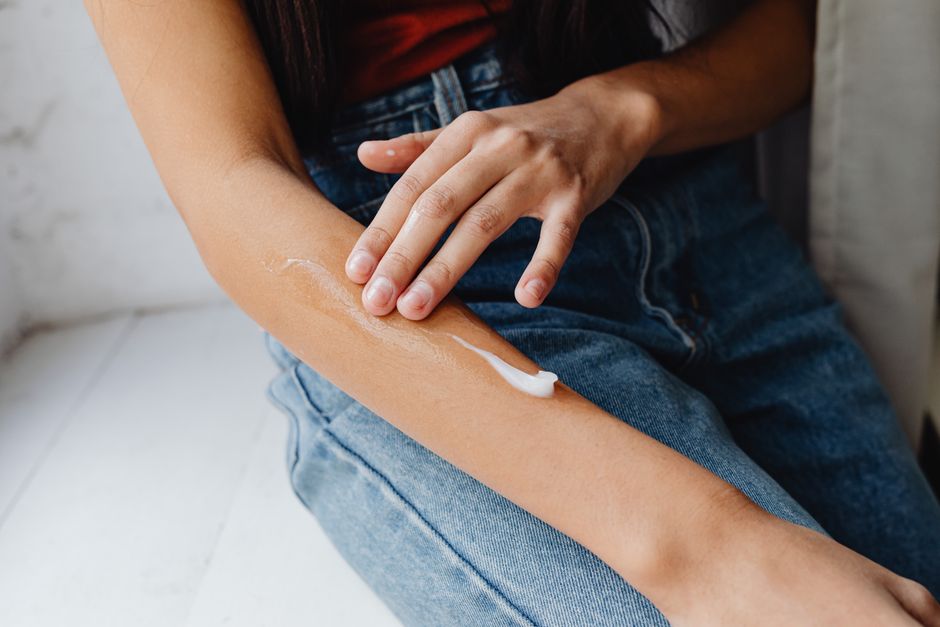
Moisturize immediately after washing. The best moment to apply moisturizer is within a few minutes of washing, while skin is still slightly damp. This traps water in the outer layer instead of letting it evaporate.
Choose the right moisturizer. Moisturizers fall into a few categories, and thicker is not automatically better for everyone:
- Humectants like glycerin and hyaluronic acid pull water into the skin.
- Emollients like fatty acids and ceramides soften and smooth the skin surface.
- Occlusives like petrolatum and dimethicone form a seal that slows water loss.
Products that combine all three tend to work best for hands. Ointments and thick creams generally outperform thin lotions for very dry or cracked skin, because lotions are mostly water and evaporate quickly.
Protect your hands during wet work. Wear gloves for dishwashing and cleaning. For long tasks, cotton-lined rubber gloves reduce irritation from the rubber itself. If you cannot avoid frequent handwashing, moisturize after every wash.
Consider overnight treatment. Applying a thick ointment or cream before bed and covering hands with cotton gloves can help severely dry hands recover. This is a widely used approach, though formal trials on the exact method are limited.
Run a humidifier in dry indoor air, especially in winter and in heated rooms.
When Should You See a Doctor for Dry Hands?
Most dry hands improve with consistent home care within a few weeks. See a doctor or dermatologist if:
- Skin is cracked, bleeding, or painful.
- You have redness, swelling, itching, or a rash.
- Signs of infection appear, such as pus, warmth, or spreading redness.
- Home care has not helped after several weeks of consistent use.
- Dryness spreads to other parts of your body.
Cracks in the skin are more than uncomfortable. They break the barrier that keeps bacteria out, which raises the risk of infection. For people with diabetes or a weakened immune system, even small hand cracks deserve attention.
Treatment for diagnosed hand eczema or psoriasis usually involves prescription creams, and sometimes other therapies. These are medical decisions, not something to self-treat with over-the-counter products alone.
What Actually Helps vs. What Is Marketing?
Some popular claims about dry hands do not hold up. It is worth knowing the difference.
Drinking more water does not fix dry skin. Staying hydrated is good for your health, but research has not shown that drinking extra water corrects dry skin in otherwise healthy people. Dry skin is a barrier problem, not a whole-body water shortage.
Expensive does not mean better. A basic fragrance-free ointment with petrolatum often outperforms a costly scented cream. Ingredients matter more than price or packaging.
“Natural” is not automatically gentler. Essential oils and botanical extracts can irritate skin and trigger allergic reactions. Fragrance-free is usually the safer choice for dry or cracked hands.
Exfoliating dry hands can make things worse. Scrubs and harsh exfoliants remove skin that is already struggling to repair itself. Gentle care beats aggressive scrubbing.
The most effective approach is also the least glamorous: wash gently, moisturize often, protect your hands from water and chemicals, and give the barrier time to rebuild. That is where the real improvement comes from.
Frequently Asked Questions
Why is my hand skin so dry even when I moisturize?
If moisturizer is not helping, the likely reason is that you are still stripping the barrier faster than you can repair it, usually through frequent handwashing or water exposure. Applying moisturizer within a few minutes of washing and switching to a fragrance-free cleanser often makes the difference.
Can dry hands be a sign of a health problem?
Occasionally, yes. Persistent dry hands that do not respond to home care may point to hand eczema, psoriasis, or contact dermatitis, and less often to thyroid or metabolic issues. Dryness that spreads or comes with a rash, itching, or cracks that bleed is worth a medical visit.
What is the fastest way to fix cracked, dry hands?
Stop the damage first by avoiding hot water, harsh soaps, and bare-handed wet work, then apply a thick ointment or cream right after washing and again before bed. Cotton gloves overnight can help severely dry hands, though formal trials on this method are limited.
Does drinking more water help dry hands?
No, drinking extra water has not been shown to correct dry skin in otherwise healthy people. Dry hands are a barrier problem, so topical moisturizing and reducing water and chemical exposure matter far more.
