
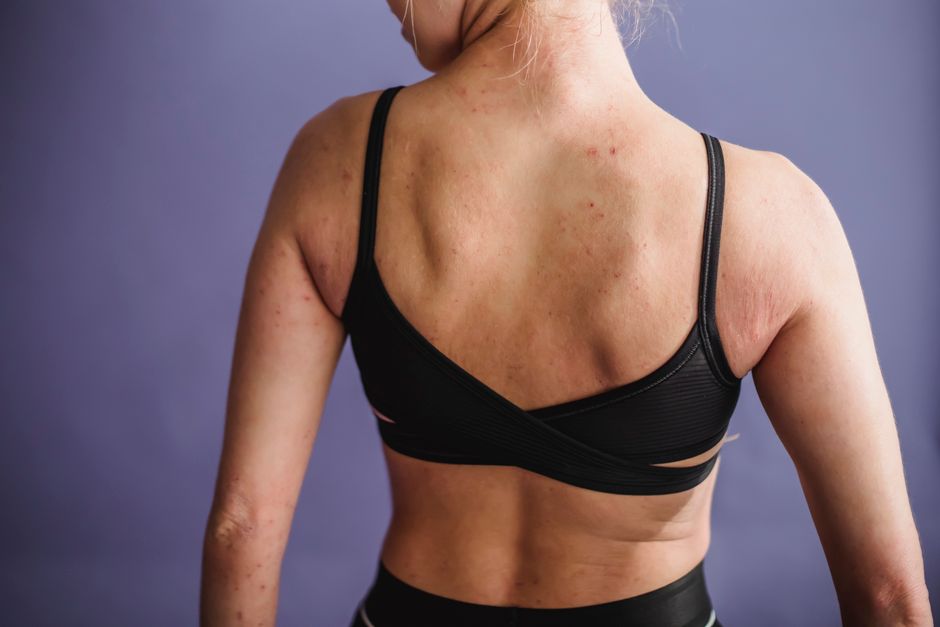
Purpura are purple, red, or brown spots on the skin caused by bleeding underneath it. They do not fade when you press on them, which is the single most important way to tell them apart from a rash or a bruise from a bump. On light skin they usually look red or purple; on medium skin they may look reddish-brown or violet; on dark brown or black skin they can appear dark purple, near-black, or even brownish-gray, which sometimes makes them harder to spot.
That last point matters. Purpura can be a sign of a serious blood or blood vessel problem, and on darker skin tones they are missed more often because the color contrast is lower. Knowing what to look for on your own skin tone is not a small detail. It can be the difference between catching something early and letting it progress.
What Exactly Is Purpura?
Purpura is not a disease. It is a physical sign — visible bleeding into the skin or mucous membranes. When tiny blood vessels called capillaries leak red blood cells into the tissue beneath the skin, those cells sit there and show through as discolored spots. Because the blood is in the tissue, not inside a vessel, pressing on the skin does not push it away. The color stays.
Doctors divide purpura by size. Spots smaller than about 2 millimeters are called petechiae. Larger spots, roughly 2 millimeters up to about 1 centimeter, are called purpura. Anything bigger than about 1 centimeter is usually called ecchymosis, which is the medical term for a larger bruise. These categories overlap in practice, and clinicians often use the terms loosely. The size is a clue, not a diagnosis.
A related term you may hear is palpable purpura — spots you can actually feel as raised bumps. That distinction matters because palpable purpura points toward inflammation of the blood vessels, while flat purpura points more toward a problem with platelets or clotting.
What Does Purpura Look Like On Light Skin?
On fair skin, purpura typically shows up as red, purple, or bluish spots that stand out clearly against the surrounding skin. Fresh spots tend to look red or reddish-purple. As the blood breaks down over days, the color shifts through purple, green, yellow, and finally brown before fading.
On light skin the contrast is high, so even small petechiae are usually easy to see. They often cluster in areas where blood pools or where pressure is applied, such as the lower legs, ankles, and forearms. Because the spots are so visible, light-skinned people often notice them sooner.
One thing that trips people up: a single spot can look like a tiny freckle or a fleck of dirt at first. The giveaway is that it does not blanch. Press a clear glass or your fingertip firmly on it. A freckle, a rash, or a red mark from inflammation will lighten or disappear. Purpura will not.
What Does Purpura Look Like On Medium And Olive Skin?
On medium, olive, and light brown skin, purpura often looks more muted than it does on fair skin. Instead of bright red or purple, you may see reddish-brown, violet, or a deep plum color. The spots can be easy to mistake for old bruises, hyperpigmentation, or even a healing insect bite.
This is where the press test becomes essential. On medium skin tones, the difference between a brown spot from sun exposure and a brown spot from bleeding under the skin is often invisible to the eye alone. Blanching is the reliable check. If it does not fade under pressure, it is blood in the tissue.
Petechiae on medium skin may look like tiny dark red or maroon dots rather than the bright red seen on lighter skin. They can resemble a fine rash, which is one reason they are sometimes overlooked or attributed to an allergy or irritation.




What Does Purpura Look Like On Dark Brown And Black Skin?
On dark brown and black skin, purpura can be genuinely difficult to see. Instead of red or purple, the spots may appear dark purple, almost black, deep brown, or even a grayish or ashen tone. In some cases the color is so close to the person’s natural skin tone that the spots are nearly invisible in normal lighting.
This is a well-recognized problem in clinical settings. Medical training has historically described skin findings on lighter skin, and conditions that present with color changes — including purpura, cyanosis, and rashes — are documented to be identified later or less accurately on darker skin. That delay is not about the person’s skin. It is about a gap in how these signs are taught and recognized.
For darker skin, look for changes in texture or feel, not just color. Palpable purpura will feel raised or bumpy even when the color is hard to distinguish. Shine a light at an angle across the skin — the raised spots may cast tiny shadows. Check the palms, soles, inside of the mouth, and the whites of the eyes, where purpura is often more visible regardless of skin tone.
How Can You Tell Purpura Apart From Other Spots?
The blanching test is the most useful thing you can do at home. Press firmly on the spot with a fingertip or a clear glass. If the color disappears or fades and then returns when you release, it is not purpura. If the color stays exactly the same, it is blood in the tissue.
Here is a quick comparison of how purpura behaves compared to common look-alikes:
| Spot type | Fades when pressed? | Typical feel |
|---|---|---|
| Purpura / petechiae | No | Flat or raised |
| Rash from inflammation | Yes | Flat or raised |
| Freckle or sun spot | No | Flat |
| Bruise from injury | No | Flat, may be tender |
| Cherry angioma | No | Raised, smooth |
Notice that freckles and bruises also fail the press test. So blanching alone does not confirm purpura — it only rules out rashes and inflammation. Context fills in the rest. Purpura that appears suddenly, spreads, or comes with other symptoms is the pattern that warrants medical attention.
When Should Purpura Concern You?
Purpura has many causes, and most of them are not emergencies. A common one is simple trauma — bumping into something. Others include certain medications, low platelet counts, clotting disorders, infections, and inflammation of the blood vessels. Some cases are harmless and some are not, and the appearance alone cannot tell you which.
Certain features should prompt you to seek medical care rather than wait:
- Purpura that appears suddenly and spreads quickly
- Spots along with fever, severe headache, or feeling very unwell
- Bleeding from the gums, nose, or elsewhere that will not stop
- Large bruises appearing without any injury
- Palpable purpura — raised spots you can feel
- Purpura along with joint pain, belly pain, or blood in the urine
These signs can point to conditions that need prompt evaluation. This is not a reason to panic. It is a reason to get checked rather than watch and wait.
Why Skin Tone Affects How Purpura Is Recognized
The reason purpura looks different across skin tones comes down to how skin and blood interact with light. Skin color is produced mainly by melanin, a pigment that absorbs and scatters light. The more melanin present, the more it masks the red and purple tones of blood sitting underneath.
Blood itself is red because of hemoglobin. When it leaks into tissue and breaks down, it changes color over time — from red to purple to green to yellow to brown. On lighter skin, those color shifts are easy to see. On darker skin, melanin blends with those colors, so the same process produces a duller, darker, or browner result.
This is a pigment and light issue, not a difference in how the underlying condition behaves. The bleeding is the same. The platelets behave the same. Only the visible color changes. That is why relying on color alone is unreliable across skin tones, and why the press test, texture, and location matter more than the exact shade.
Can Purpura Be Prevented?
Most purpura cannot be prevented, because it reflects an underlying process rather than a single avoidable trigger. There is no diet or cream that stops blood from leaking into the skin.
What you can do is reduce the chance of missing something important. Know your own skin. Check areas that are easy to overlook, like the backs of the legs, the soles of the feet, and inside the mouth. If you take a medication known to affect platelets or clotting, ask your clinician what signs to watch for. And if something new appears and does not fade under pressure, get it looked at rather than waiting to see if it clears on its own.
Frequently Asked Questions
What does purpura look like on dark skin?
On dark brown and black skin, purpura often looks dark purple, near-black, deep brown, or grayish rather than red or purple. The spots may be hard to see in normal light, so checking texture and using the press test matters more than color.
Does purpura fade when you press on it?
No, purpura does not fade when you press on it, because the color comes from blood leaked into the tissue rather than blood flowing inside a vessel. This lack of blanching is what separates it from most rashes and inflammation.
How do I tell purpura apart from a bruise or freckle?
You often cannot tell them apart by color alone, since bruises and freckles also fail the press test. Purpura tends to appear as clusters of small spots or patches without a clear injury, while freckles are usually stable over time and bruises typically follow a known bump.
Is purpura a sign of something serious?
Sometimes. Many causes are minor, but purpura can also signal low platelets, a clotting problem, an infection, or inflamed blood vessels. Spots that appear suddenly, spread quickly, or come with fever or unusual bleeding should be checked by a doctor.
