
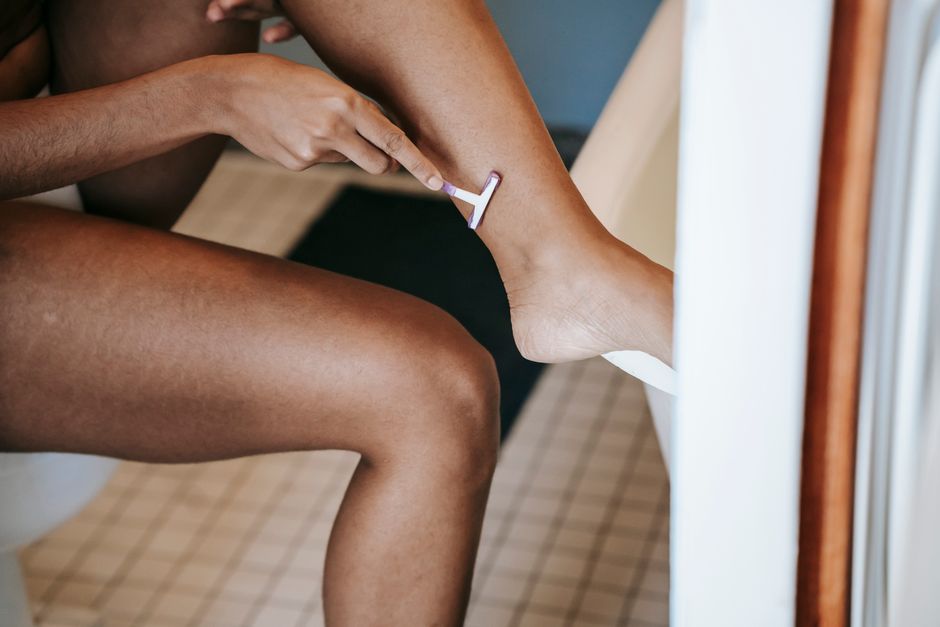
Shaving is one of the most common ways people irritate their own skin. The blade scrapes off the top layer of dead cells, the razor drags across live skin, and hair gets cut below the surface — all of which can trigger redness, ingrown hairs, and pimples. If you have acne-prone skin, the goal is to remove hair while doing as little damage as possible. That means a sharp blade, a real lubricant, shaving with the grain, and light pressure. Skip the close-as-possible obsession. A slightly less close shave that leaves your skin calm beats a smooth shave that erupts two days later.
Why Does Shaving Cause Breakouts?
Shaving does not create acne in the medical sense. Acne is a condition involving oil glands, dead skin cells, and the bacterium Cutibacterium acnes plugging hair follicles. What shaving does is injure the skin and the follicles, and that injury can look and behave a lot like acne.
Three things happen when a razor crosses your skin:
- Physical trauma. The blade removes the outermost skin layer and can nick the follicle opening.
- Follicular inflammation. Irritated follicles swell and redden. This is called pseudofolliculitis, and it is not the same as true acne even though it looks similar.
- Ingrown hairs. When a cut hair curls back and grows into the skin, or when the follicle opening gets blocked by swelling and debris, the hair cannot exit. The result is a red bump that can fill with pus.
On top of that, shaving can spread bacteria across the skin surface if the blade or your hands are dirty. It can also strip away some of the skin’s natural barrier, leaving it more reactive to everything that touches it afterward.
People with acne-prone skin tend to have follicles that are already inflamed or partially blocked. Shaving adds insult to an area that is already struggling.
How To Shave Without Breaking Out Even Acne Prone Skin?
The method matters more than the products. A careful shave with a basic razor beats a rushed shave with an expensive one.
Start with warm water. Shower first or hold a warm, wet cloth against the area for a minute or two. Warmth softens the hair and makes it cut more easily. This is one of the few steps where the physiology is well established.
Use a real shaving lubricant. Shaving cream, gel, or a thick conditioner creates a layer between the blade and your skin. Bar soap is a poor substitute — it dries the skin and offers little cushion. If you have acne-prone skin, look for a product labeled fragrance-free or for sensitive skin, since added fragrances can irritate already-inflamed follicles.
Use a sharp blade. A dull blade tugs instead of slicing. That tugging pulls at the follicle and increases the chance of irritation. There is no universal rule for how often to change a blade because it depends on hair coarseness, how often you shave, and how well you dry the razor. A reasonable guide is to replace it when it starts pulling or when you see rust or buildup. Rinse and dry the razor after every use.
Shave with the grain. This means in the direction the hair grows, not against it. Going against the grain cuts hair closer to the skin, which feels smoother but pushes the cut end below the follicle opening. That is a direct setup for ingrown hairs. For most people with acne-prone skin, one pass with the grain is enough.
Use light, short strokes. Do not press down. Let the blade do the work. Pressing harder does not cut closer — it just removes more skin and increases irritation.
Rinse the blade between strokes. Hair, skin cells, and shaving cream clog the blade. A clogged blade drags.
Skip areas with active breakouts. If you have an inflamed pimple or an open sore, shaving over it can spread bacteria and worsen inflammation. Shave around it or wait.
Rinse with cool water and pat dry. Do not rub with a rough towel. Cool water helps calm the skin, and patting avoids friction.
Moisturize right away. A light, non-comedogenic moisturizer helps support the skin barrier you just disturbed. Non-comedogenic means the product is formulated not to clog pores, though no product can guarantee that for every person.
Does Razor Type Matter?
There is no single best razor for acne-prone skin. What matters is how you use it.
Multi-blade razors cut hair with the first blade and then may pull the skin slightly with subsequent blades. Some dermatologists have suggested this can increase the chance of cutting hair below the surface, but the evidence comparing blade counts head-to-head for acne outcomes is limited. If a multi-blade razor works for you, keep using it.
Single-blade safety razors require more skill and a steadier hand. They can work well for some people because there is only one pass over the skin. They also demand more care — a bad angle with a safety razor cuts skin.
Electric razors cut hair at or just above the skin surface rather than below it. For people who get frequent ingrown hairs, electric razors are often recommended because they leave a little more length. The trade-off is that the shave is less close.
Whatever you choose, keep it clean and replace blades or foils as the manufacturer recommends or when performance drops.





What About Shaving Products and Aftercare?
Ingredients matter more than brand names. Here is what to look for and what to avoid based on general dermatologic guidance:
- Fragrance-free is better than “unscented.” Unscented products may still contain masking fragrances.
- Alcohol-based aftershaves can sting and dry the skin. They are not a good fit for irritated or acne-prone skin.
- Non-comedogenic moisturizers are formulated to reduce the risk of clogging pores.
- Exfoliating acids like salicylic acid or glycolic acid can help with ingrown hairs and clogged follicles, but they also increase sun sensitivity and irritation. If you use them, do not apply them right before or right after shaving. Give your skin a day or two.
Some clinicians recommend using a product containing salicylic acid or benzoyl peroxide on areas prone to razor bumps, but the evidence for this specifically after shaving is not strong. If you already use an acne treatment, ask a clinician how to fit it around your shaving routine.
Do not apply heavy, occlusive products right after shaving. They trap bacteria and sweat against freshly irritated skin.
What If You Keep Breaking Out Anyway?
If you have followed a careful routine for several weeks and still get bumps, the problem may not be your shaving technique.
Persistent bumps after shaving are often pseudofolliculitis, not acne. They look similar but need different treatment. A clinician can tell the difference. True acne needs acne treatment, not better shaving. Ingrown hairs may need to be freed by a professional rather than picked at home — picking causes scars and infection.
If you have painful, deep, or widespread bumps, or if you see signs of infection like spreading redness, warmth, or pus, see a doctor. Some skin conditions that look like razor bumps require prescription treatment.
For some people, the simplest solution is to stop shaving the area entirely. Trimming with an electric trimmer or letting hair grow can eliminate the problem. That is not a failure — it is a legitimate option.
Common Mistakes That Make Breakouts Worse
Most post-shave breakouts trace back to a handful of habits:
- Shaving dry or with only water
- Using a dull or dirty blade
- Pressing hard to get a closer shave
- Shaving against the grain
- Shaving over active pimples
- Using alcohol-heavy aftershave on irritated skin
- Reusing a razor stored in a damp shower, where bacteria and rust build up
- Shaving the same area multiple times to chase smoothness
Fixing even two or three of these usually makes a noticeable difference.
Frequently Asked Questions
Should I shave before or after a shower?
After. Warm water and steam soften the hair and make it easier to cut with less tugging. If you cannot shower first, hold a warm wet cloth against the area for a minute or two.
Can I shave over active acne?
It is best to avoid shaving directly over inflamed or open pimples. Shaving over them can spread bacteria and worsen inflammation. Shave around them or wait until they settle.
How often should I change my razor blade?
There is no universal schedule because it depends on hair thickness and how often you shave. Replace the blade when it starts pulling, looks rusty, or has visible buildup.
Is it better to use an electric razor for acne-prone skin?
Electric razors cut hair at or just above the skin, which may reduce ingrown hairs for some people. The trade-off is a less close shave. There is no strong evidence that one type is universally better.
