
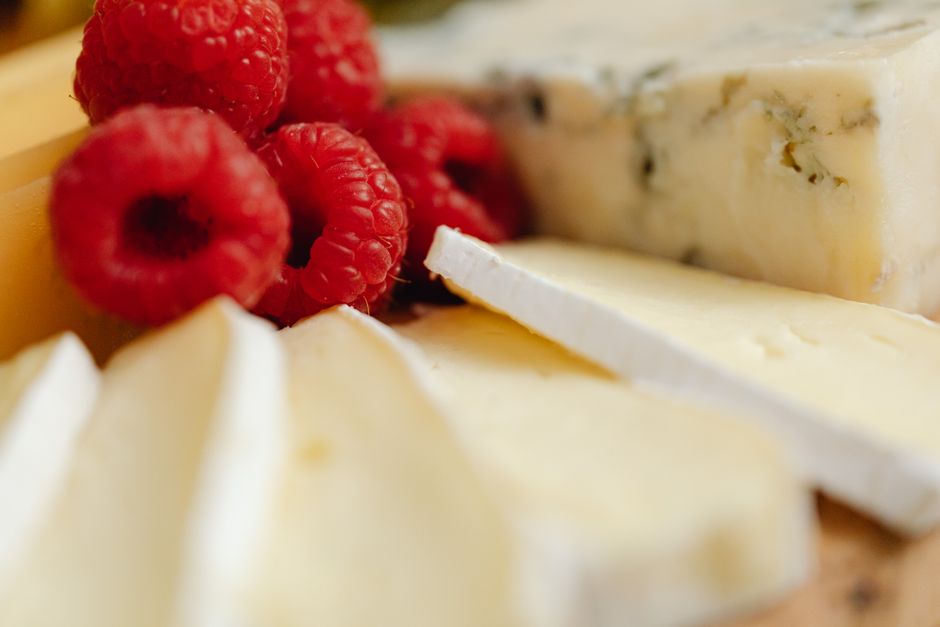
Yes, brie cheese goes bad. Like all perishable dairy products, brie has a limited shelf life and will eventually spoil. The key is knowing the difference between normal aging — which brie is famous for — and actual spoilage. This guide explains exactly how to tell the difference, how long brie lasts, and how to store it properly.
How Can You Tell If Brie Cheese Has Gone Bad?
The most reliable way to tell if brie has spoiled is by smell. Fresh brie has a mild, earthy, mushroom-like aroma. Spoiled brie smells sharply of ammonia. That ammonia smell is a clear sign that the cheese is breaking down past the point of being safe to eat.
Next, look at the rind. A normal brie rind is white and may develop some brownish spots as it ages. That is fine. But if you see pink, orange, or green mold that looks fuzzy or slimy, that is not the friendly mold used to make brie. That is contamination. Discard the cheese.
Texture is another clue. Brie should be soft and creamy inside. If the center has become runny, watery, or separated into a grainy liquid, it has spoiled. A hard, dry, or cracked rind is also a sign that the cheese has aged too far and should be thrown out.
Does Brie Cheese Go Bad in the Refrigerator?
Yes, brie will eventually go bad even when refrigerated. Refrigeration slows down the growth of spoilage bacteria and molds, but it does not stop it entirely. The cold temperature also affects the cheese’s texture over time, making it drier and less creamy.
An unopened wheel of brie stored in the refrigerator typically lasts 2 to 4 weeks past its sell-by date. Once opened, you have about 1 to 2 weeks before quality declines significantly. The USDA recommends keeping soft cheeses like brie at a consistent refrigerator temperature of 40°F or below.
One common mistake is storing brie in the warmest part of the fridge, like the door. Temperature fluctuations from opening and closing the door accelerate spoilage. The back of the bottom shelf is the coldest and most stable spot.
What Is the Difference Between Aged Brie and Spoiled Brie?
This is where most confusion happens. Brie is a living cheese. It continues to ripen after you buy it. As it ages, the interior becomes softer and more runny, and the flavor becomes stronger and more earthy. That is normal and desirable for many people.
Spoilage is different. The key difference is the ammonia smell. A properly aged brie may have a faint ammonia note near the rind, but it should not be strong or overwhelming. If the ammonia smell hits you as soon as you open the wrapper, the cheese is spoiled.
Another difference is the rind. An aged brie rind may darken slightly and develop small brown patches. That is fine. Spoiled brie has visible mold that is not white — pink, green, or orange growth is contamination. The texture of spoiled brie becomes watery or slimy rather than just soft and creamy.
If you are unsure, trust your nose. A strong ammonia smell is the clearest sign of spoilage. When in doubt, throw it out.




How Should You Store Brie Cheese to Make It Last Longer?
Proper storage is the single most important factor in keeping brie fresh. The worst thing you can do is leave it tightly wrapped in plastic. Brie needs to breathe. Plastic wrap traps moisture and encourages ammonia buildup and mold growth.
The best storage method is wax paper or parchment paper. Wrap the brie loosely in wax paper, then place it in a partially open plastic bag or a container with a loose lid. This allows the cheese to breathe while preventing it from drying out completely.
Here are the key storage rules:
- Keep brie in the coldest part of the refrigerator, not the door.
- Replace the wrapping every few days to prevent moisture buildup.
- Do not freeze brie. Freezing destroys the texture, making it watery and grainy when thawed.
- Store brie away from strong-smelling foods like onions or fish. Brie absorbs odors easily.
If you buy a whole wheel, eat it within 2 to 3 weeks for the best flavor. Once cut, eat within 1 week for peak quality.
Can You Eat Brie After the Expiration Date?
The date on brie packaging is a sell-by date, not a safety date. It tells the store how long to display the cheese. Brie is often perfectly fine to eat for weeks after that date if it has been stored properly and shows no signs of spoilage.
That said, the sell-by date is a useful guideline. After that date, inspect the cheese carefully before eating. Check for the ammonia smell, unusual mold, and texture changes. If everything looks and smells normal, it is safe to eat.
The USDA states that sell-by dates are not safety dates for hard and soft cheeses. They are quality indicators. Brie that has been stored continuously at 40°F or below can last 1 to 2 weeks past the sell-by date unopened, and up to 1 week after opening.
Here is a quick comparison of brie storage times:
| Storage Condition | Unopened | Opened |
|---|---|---|
| Refrigerator (40°F or below) | 2-4 weeks past sell-by | 1-2 weeks |
| Freezer | Not recommended | Not recommended |
| Room temperature | 2-4 hours max | 2-4 hours max |
What Happens If You Eat Spoiled Brie?
Eating spoiled brie can cause food poisoning. The bacteria that grow on spoiled cheese can cause nausea, vomiting, diarrhea, and stomach cramps. Symptoms usually appear within a few hours to a day after eating.
People with weakened immune systems, pregnant women, older adults, and young children are at higher risk for more severe illness. For healthy adults, the symptoms are usually mild and resolve on their own within 24 to 48 hours.
If you accidentally eat a small amount of brie that has a slight ammonia smell, you will probably be fine. The ammonia smell itself is not toxic in small amounts, but it indicates that the cheese is past its prime. If you experience any symptoms, drink plenty of water and rest. If symptoms are severe or last more than a couple of days, see a doctor.
The safest rule is simple: if the brie smells strongly of ammonia, has visible mold that is not white, or has a slimy texture, do not eat it. No amount of cooking will make spoiled cheese safe to eat.
Common Misconceptions About Brie Cheese Spoilage
A common myth is that you can just cut off the moldy part of brie and eat the rest. This is not safe for soft cheeses. Unlike hard cheeses where mold cannot penetrate deeply, soft cheeses like brie are moist and porous. Mold can spread invisible threads throughout the cheese. The USDA advises discarding all soft cheeses that show mold.
Another misconception is that brie must be served at room temperature and can sit out all day. Brie should sit at room temperature for only 30 to 60 minutes before serving for the best flavor and texture. Leaving it out for hours invites bacterial growth. After serving, return any leftovers to the refrigerator within 2 hours.
Some people believe that the white rind on brie is purely decorative and should be removed. The rind is actually a type of mold called Penicillium camemberti that is intentionally added during production. It is safe and edible. Removing it changes the flavor and texture of the cheese.
Finally, there is a belief that brie gets better with age indefinitely. This is not true. Brie has a peak ripeness window. After that, it declines in quality and eventually spoils. Unlike aged cheddar or parmesan, brie is a soft-ripened cheese meant to be eaten relatively young.
Frequently Asked Questions
How long does brie cheese last in the fridge?
Unopened brie lasts 2 to 4 weeks past the sell-by date in the refrigerator. Once opened, eat it within 1 to 2 weeks for the best quality.
Can you freeze brie cheese?
Freezing brie is not recommended because it destroys the creamy texture. Thawed brie becomes watery and grainy and is only usable for cooking.
What does spoiled brie smell like?
Spoiled brie has a strong ammonia smell that is sharp and unpleasant. Fresh brie smells mild and earthy, like mushrooms.
Is it safe to eat brie with mold on the rind?
White mold on the rind is normal and safe. Pink, green, orange, or fuzzy mold means the cheese is contaminated and should be discarded.
