
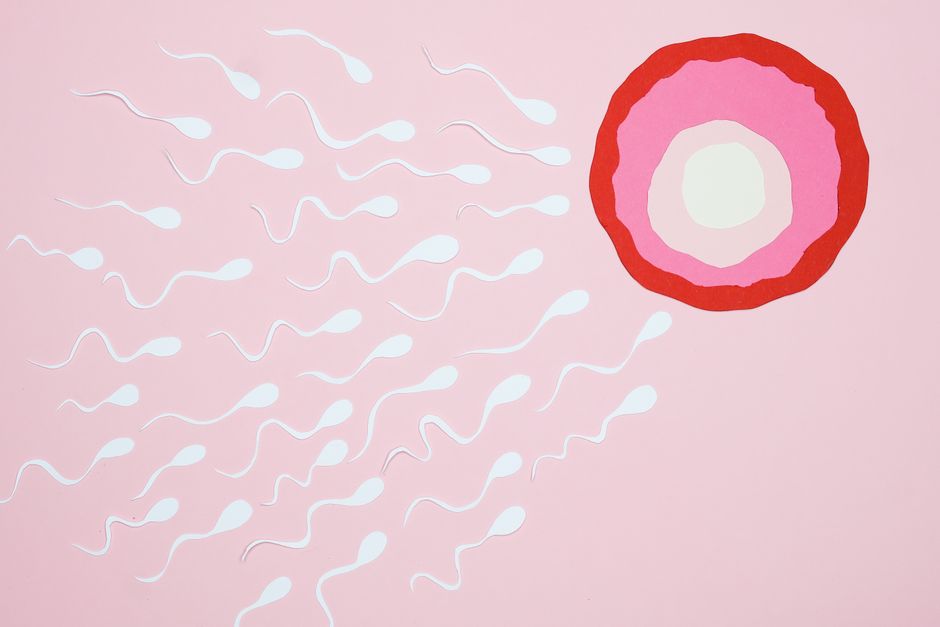
Ovulation is the release of an egg from the ovary, and it happens once per menstrual cycle. For most women, this occurs about 14 days before the next period starts. You can know you are ovulating by tracking physical signs like cervical mucus changes, a slight rise in basal body temperature, and using over-the-counter ovulation predictor kits. These methods are reliable for confirming the fertile window, though no single sign is perfect for everyone.
What Actually Happens During Ovulation
Ovulation is one phase in the menstrual cycle. It begins when a mature egg is released from a follicle in the ovary. The egg then travels down the fallopian tube, where it can be fertilized for about 12 to 24 hours.
The cycle is driven by hormones. Estrogen rises in the first half, causing the uterine lining to thicken. A surge in luteinizing hormone (LH) triggers the egg’s release. Progesterone then rises after ovulation to prepare the uterus for a possible pregnancy.
If the egg is not fertilized, hormone levels drop and the uterine lining sheds. That is your period. Understanding this timeline helps explain why timing matters for conception.
How Do U Know When A Woman Is Ovulating: The Main Signs
The body gives several clues that ovulation is happening or about to happen. No single sign works for every woman, so tracking two or three together gives the clearest picture.
Cervical mucus changes are often the first noticeable sign. Around ovulation, mucus becomes clear, stretchy, and slippery — similar to raw egg whites. This consistency helps sperm travel to the egg. After ovulation, mucus turns thick and cloudy again.
Basal body temperature rises slightly after ovulation. This is the temperature of your body at rest, taken first thing in the morning. The rise is usually about 0.5 to 1 degree Fahrenheit and stays elevated until your next period. The temperature shift confirms ovulation happened, but it does not predict it in advance.
Ovulation predictor kits detect the LH surge in urine. This surge happens 24 to 36 hours before the egg is released. These kits are highly accurate for detecting the surge, but they do not confirm that ovulation actually occurred — they only show the body is trying.
Some women also feel a mild cramp on one side of the lower belly, known as mittelschmerz. This is a sharp or dull pain that lasts from a few minutes to a few hours. It happens around the time the egg is released, but not every woman feels it.
Other Physical and Hormonal Changes
Breast tenderness, bloating, and mild pelvic discomfort can occur around ovulation. These are caused by the rapid shift in estrogen and progesterone. They are common but not reliable enough alone to time conception.
Some women notice a slight increase in sexual desire during the fertile window. This is a natural biological response to rising estrogen. It is not a precise marker, but it can point toward the fertile days.
Light spotting can happen in some women at ovulation. This is caused by the sudden drop in estrogen right after the egg is released. It is usually very light and brief, lasting less than a day.
Changes in cervical position are another sign. During ovulation, the cervix becomes softer, higher, and more open. Checking this takes practice and is not necessary for most women who use other methods.





How Accurate Are Ovulation Tests and Apps
Ovulation predictor kits are the most reliable home method. They measure LH in urine and are about 99 percent accurate at detecting the LH surge when used correctly. However, they do not confirm that ovulation actually occurred. Some women have an LH surge without releasing an egg, a condition called luteinized unruptured follicle syndrome.
Fertility tracking apps use algorithms based on cycle history. They can estimate your fertile window, but they are not always correct. Menstrual cycles vary, and apps cannot detect the actual biological events happening in your body. One study found that only about 20 percent of app predictions were accurate for the fertile window. These apps work best when combined with physical signs like cervical mucus and temperature.
Temperature tracking confirms ovulation after the fact. It is useful for understanding your cycle over several months, but it cannot help you time intercourse for the current cycle. The egg is already released by the time the temperature rises.
How Long Does the Fertile Window Last
The fertile window is the days when intercourse can lead to pregnancy. It includes the five days before ovulation and the day of ovulation itself. This is because sperm can survive in the female reproductive tract for up to five days, while the egg only lives for about 12 to 24 hours.
This means you have about six fertile days in each cycle. The highest chance of conception occurs in the two to three days leading up to ovulation. Having intercourse on the day of ovulation itself is also effective, but the odds are slightly lower than the day before.
For couples trying to conceive, having intercourse every one to two days during the fertile window is the standard advice. This ensures sperm are present when the egg is released.
Irregular Cycles and Ovulation Tracking
Women with regular cycles can predict ovulation fairly well by counting days. Ovulation typically happens 14 days before the next period. If your cycle is 28 days, that means ovulation occurs around day 14. If your cycle is 35 days, ovulation occurs around day 21.
Women with irregular cycles face more difficulty. Ovulation timing shifts from month to month, making calendar prediction unreliable. In this case, physical signs and ovulation predictor kits become more important.
Some women do not ovulate every month. Conditions like polycystic ovary syndrome (PCOS), thyroid disorders, and high stress can disrupt ovulation. If you have irregular cycles and are trying to conceive, speak with a healthcare provider about evaluation and treatment options.
When to See a Doctor
Tracking ovulation is helpful, but it is not a substitute for medical care. If you have been trying to conceive for 12 months without success, see a doctor. If you are over 35, the recommendation is to seek help after six months of trying.
See a doctor earlier if you have irregular cycles, no periods, or severe pelvic pain. These can signal underlying conditions that affect fertility. A healthcare provider can run blood tests, ultrasound imaging, and other evaluations to check whether ovulation is happening normally.
Some women track ovulation for the opposite reason — to avoid pregnancy. This is called fertility awareness-based methods. These methods are only effective if you track multiple signs consistently and follow strict rules. The typical use failure rate is around 24 percent, which is higher than many other contraceptive methods.
Frequently Asked Questions
Can you feel when you are ovulating?
Some women feel a mild cramp or twinge on one side of the lower belly, called mittelschmerz. Not every woman feels this, so it is not a reliable sign on its own.
How many days after your period do you ovulate?
Ovulation typically happens about 14 days before your next period starts. In a 28-day cycle, that is around day 14, but the exact day varies based on cycle length.
Do ovulation tests work for everyone?
Ovulation predictor kits detect the LH surge and are highly accurate, but they do not confirm the egg was actually released. Women with PCOS or certain hormone conditions may get false positive results.
Can you get pregnant if you have sex after ovulation?
The egg only survives for 12 to 24 hours after release. Intercourse after ovulation has a low chance of pregnancy, which is why timing intercourse before ovulation matters most.
