
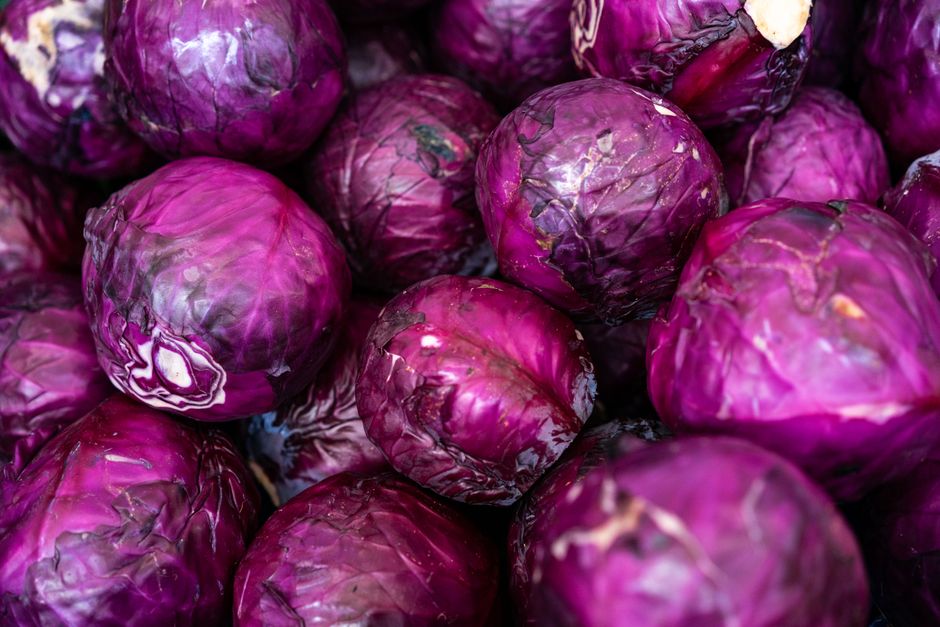
Yes, cabbage produces gas. This happens because cabbage contains certain carbohydrates that your small intestine cannot digest. These undigested carbohydrates travel to your large intestine, where bacteria break them down through fermentation. That fermentation process releases gas, which can cause bloating and discomfort. Almost everyone who eats cabbage will experience some gas, though the amount varies from person to person.
Why Does Cabbage Cause Gas?
The gas comes from a specific type of carbohydrate called raffinose. Raffinose is a complex sugar made of three smaller sugars linked together: galactose, glucose, and fructose. Humans do not have the enzyme needed to break the bond between galactose and glucose. So raffinose passes through your stomach and small intestine unchanged.
Once it reaches your large intestine, your gut bacteria go to work. These bacteria have the enzymes that can break down raffinose. When they do, they produce hydrogen, carbon dioxide, and sometimes methane gas. This is the same process that causes gas from beans, broccoli, and other cruciferous vegetables.
Cabbage also contains fiber, another substance that bacteria ferment in the colon. Fiber is good for your health, but it adds to the gas production. Together, raffinose and fiber make cabbage one of the more gas-producing vegetables.
What Sugar in Cabbage Is Responsible for the Gas?
The main sugar responsible is raffinose. Raffinose is a member of a group of carbohydrates called oligosaccharides. These are short chains of sugar molecules that humans cannot digest. Other oligosaccharides include stachyose and verbascose, which are found in beans and lentils. Cabbage contains mostly raffinose.
Raffinose is also present in other cruciferous vegetables like Brussels sprouts, broccoli, kale, and cauliflower. That is why these vegetables all tend to cause gas. The amount of raffinose varies by the type of cabbage. Red cabbage and green cabbage have similar levels. Savoy cabbage and napa cabbage may have slightly less, but they still contain enough to produce gas.
Some people confuse raffinose with lactose or gluten, but those are different. Raffinose is not related to lactose intolerance or celiac disease. It affects almost everyone because no human produces the enzyme to digest it.
Does Cooking Cabbage Reduce the Gas?
Cooking cabbage can reduce some of the gas-producing compounds, but it does not eliminate them. Heat breaks down some of the fiber and softens the plant cell walls, which may make the cabbage easier to digest. However, raffinose itself is heat-stable. It does not break down with normal cooking temperatures. Boiling, steaming, or roasting will not destroy raffinose.
What cooking does is reduce the overall volume of cabbage you eat. A cup of raw cabbage shrinks to about half a cup when cooked. So you consume less cabbage overall, which means less raffinose and fiber entering your colon. That can lower the amount of gas you produce.
Another factor is how quickly you eat cooked cabbage. Cooking softens the cabbage, so you may chew it less. Chewing breaks food into smaller pieces, which helps digestion. If you swallow larger pieces, more undigested material reaches the bacteria, potentially increasing gas. So even cooked cabbage can cause gas if you eat it quickly without chewing well.




How to Reduce Gas from Cabbage
You can take several steps to lessen the gas without giving up cabbage entirely. The key is to help your digestive system handle the raffinose and fiber more easily.
- Start with small amounts. If you rarely eat cabbage, introduce it gradually. A few tablespoons a day for a week lets your gut bacteria adjust.
- Cook it thoroughly. While cooking does not remove raffinose, it softens the fiber. Well-cooked cabbage is often easier to tolerate than raw.
- Soak or ferment it. Sauerkraut and kimchi are fermented cabbage products. The fermentation process breaks down some of the raffinose before you eat it. Many people find fermented cabbage causes less gas than fresh cabbage.
- Chew slowly and thoroughly. Chewing breaks down cell walls and mixes the cabbage with saliva, which starts the digestion of starches.
- Pair with digestive enzymes. Some over-the-counter enzyme products contain alpha-galactosidase, which can break down raffinose. Taking these with a meal containing cabbage may reduce gas. The evidence for these products is mixed, but some people find them helpful.
- Drink plenty of water. Water helps move fiber through your digestive tract, which may reduce bloating.
No single method works for everyone. You may need to try a few approaches to find what helps you.
Is Everyone Affected the Same Way?
No. Gas production from cabbage varies from person to person. The main reason is the difference in gut bacteria. Everyone has a unique collection of bacteria in their colon. Some people have bacteria that produce more gas when they ferment raffinose. Others have bacteria that produce less. Also, some people are more sensitive to the feeling of bloating and gas, even if the actual amount of gas is similar.
Your overall diet matters too. People who eat a high-fiber diet regularly tend to have less gas from cabbage because their gut bacteria are already adapted to fermenting fiber. If your diet is low in fiber and you suddenly eat a large serving of cabbage, you will likely have more gas.
Some digestive conditions can make gas worse. Irritable bowel syndrome (IBS), small intestinal bacterial overgrowth (SIBO), and other functional gut disorders can increase sensitivity to gas. If you have one of these conditions, you may experience more bloating and discomfort from cabbage than someone without it.
Age can also play a role. As people get older, digestive enzyme production may decrease, and gut transit time may slow. This can lead to more fermentation and more gas in some older adults.
Should You Avoid Cabbage Because of Gas?
Not necessarily. Cabbage is a nutritious vegetable. It is low in calories and high in vitamin C, vitamin K, fiber, and several antioxidants. Eating cabbage regularly is linked to lower risks of certain cancers and improved heart health. The gas it causes is a normal part of digestion, not a sign of harm.
If the gas bothers you, the strategies above can help reduce it. For most people, the discomfort is temporary and not harmful. Only consider avoiding cabbage if you have a diagnosed digestive condition that makes gas painful, or if the bloating is severe and persistent. In those cases, talk to a healthcare provider. They can help you find the cause and suggest alternatives.
Other cruciferous vegetables like broccoli, cauliflower, and Brussels sprouts have similar gas-producing effects. If you tolerate those well, you will likely tolerate cabbage similarly. If you avoid all of them, you miss out on valuable nutrients. Moderation and preparation techniques can help you enjoy cabbage without excessive gas.
Frequently Asked Questions
Does cooking cabbage completely remove the gas?
No. Cooking softens the fiber but does not destroy raffinose, so some gas production will still occur.
Is cabbage worse for gas than broccoli?
Both contain raffinose and fiber, so they cause similar amounts of gas. Individual sensitivity varies more than the difference between these vegetables.
Can eating cabbage every day cause health problems from gas?
No. The gas is a normal digestive process and not harmful. If you have a medical condition that makes gas painful, consult a doctor.
Does sauerkraut cause less gas than fresh cabbage?
Yes. The fermentation process in sauerkraut breaks down some of the raffinose, so it often causes less gas than raw or cooked cabbage.
