
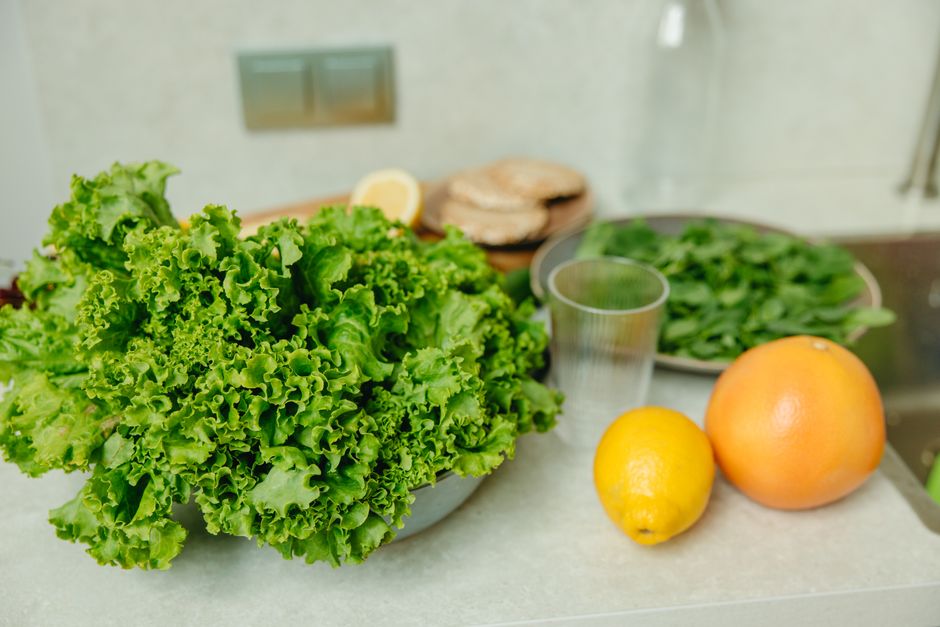
You can make electrolyte water at home by combining water with salt, a sugar source, and sometimes citrus juice. A simple recipe uses one liter of water, six teaspoons of sugar, and half a teaspoon of salt. This replaces the fluids, sodium, and glucose lost through sweat, but it is not identical to commercial sports drinks.
What Are Electrolytes and Why Does Your Body Need Them?
Electrolytes are minerals that carry an electrical charge when dissolved in water. Sodium, potassium, chloride, calcium, and magnesium are the main ones in your body. They regulate nerve signaling, muscle contractions, and fluid balance.
When you sweat, you lose mostly sodium and chloride. You also lose smaller amounts of potassium and magnesium. Replacing these minerals matters for anyone exercising heavily, working outdoors in heat, or recovering from illness with vomiting or diarrhea.
Plain water can dilute the electrolytes remaining in your body. In some cases, drinking only water during intense sweating can cause a condition called hyponatremia, where blood sodium drops too low. That is why electrolyte drinks exist in the first place.
How To Get Electrolytes In Water DIY Recipe
The most widely cited homemade electrolyte recipe comes from the World Health Organization’s oral rehydration solution formula. It is designed for diarrhea-related dehydration, but the basic principle applies to exercise recovery too.
Here is the standard recipe:
- 1 liter of clean drinking water
- 6 level teaspoons of white sugar
- 1/2 level teaspoon of salt
Stir until the sugar and salt dissolve completely. This creates a solution with roughly the same sugar and sodium concentration as the WHO formula. Some people add half a cup of orange juice or a squeeze of lemon for flavor and extra potassium, but this changes the sugar content.
Do not use honey or brown sugar. They contain other compounds that can slow absorption. White sugar is the correct choice because it is precisely what the formula was designed around.
Why Sugar Is a Necessary Ingredient
Many people assume sugar is only there for taste. It is not. The sugar is functional.
Sodium and glucose are absorbed together in the small intestine through a specific transport mechanism. When both are present, water absorption is significantly faster than when either one is present alone. This is why oral rehydration solutions have contained both sugar and salt for decades.
Without sugar, your DIY electrolyte water will still replace sodium. But it will not be absorbed as quickly into your bloodstream. For most everyday situations this difference is minor. For heavy sweating or illness, it matters more.




When a Simple Salt and Water Mix Is Enough
For a short workout under an hour, plain water is fine. You do not need electrolytes for most daily activity.
For longer sessions or heavy sweating, the sugar-salt-water recipe above is appropriate. The American College of Sports Medicine notes that sodium replacement becomes important during exercise lasting longer than two hours or in hot conditions.
If you are eating a normal diet, you are already getting plenty of electrolytes from food. Bananas provide potassium. Table salt provides sodium and chloride. Dairy products provide calcium. Nuts and leafy greens provide magnesium. A homemade drink is a supplement, not a replacement for a balanced diet.
Commercial Sports Drinks vs. Homemade Electrolyte Water
Commercial sports drinks contain more than just electrolytes. They typically include flavorings, preservatives, and sometimes artificial colors. They also contain a specific balance of carbohydrates designed for endurance performance.
A homemade version gives you control over what goes in. It costs less. And it contains no additives. But it is not an exact match for the carbohydrate content of commercial products, which matters for endurance athletes.
For a 60-minute gym session, the homemade recipe is adequate. For a marathon or multi-hour event, a commercial product designed for endurance may be more appropriate because of its higher carbohydrate content.
Signs You Actually Need Electrolytes
Your body gives clear signals when electrolyte levels are off. Common signs of mild depletion include:
- Muscle cramps, especially in the legs
- Fatigue that feels disproportionate to effort
- Headache
- Dark urine despite drinking fluids
- Dizziness when standing up quickly
These symptoms can also come from other causes. If you feel unwell, check with a healthcare professional. Do not assume a DIY drink will fix a serious medical problem.
Severe electrolyte imbalance is a medical emergency. Symptoms include confusion, seizures, and loss of consciousness. If you or someone near you has these symptoms, seek emergency care immediately.
Who Should Not Drink Homemade Electrolyte Water
People with kidney disease, heart failure, or high blood pressure should be cautious. These conditions can make it harder for the body to process excess sodium and potassium.
If you take diuretics or blood pressure medication, talk to your doctor before adding electrolyte drinks to your routine. The extra sodium could interfere with your treatment.
For healthy adults, a single serving of this homemade recipe is unlikely to cause problems. But drinking several liters in a short period is not advisable. Too much of any electrolyte can be as harmful as too little.
How Much Homemade Electrolyte Water Should You Drink?
There is no universal guideline for how much electrolyte water to consume. It depends on your body size, sweat rate, activity level, and environmental temperature.
A reasonable starting point is to drink when thirsty during exercise, and to use the homemade electrolyte water instead of plain water for sessions over an hour. This approach prevents overhydration while ensuring you replace what you lose.
For illness-related dehydration, such as from vomiting or diarrhea, the WHO formula is meant to be consumed in small sips frequently. Adults should aim for a few sips every few minutes. Children and infants need different amounts, and no clinical guidelines exist for giving homemade electrolyte solutions to infants — consult a pediatrician first.
Frequently Asked Questions
Can I just put salt in my water for electrolytes?
Yes, but a pinch of salt in water replaces sodium only. Adding sugar improves absorption and makes the drink more effective at rehydrating you.
What is the best homemade electrolyte drink recipe?
The WHO-style recipe of 1 liter of water, 6 teaspoons of sugar, and 1/2 teaspoon of salt is the most evidence-based option. It matches the sodium and glucose concentration proven to support fluid absorption.
Is it safe to drink homemade electrolyte water every day?
For healthy adults, occasional use is safe. Daily use is unnecessary unless you are consistently losing large amounts of fluid through sweat or illness, and people with kidney or heart conditions should check with a doctor first.
Does lemon juice add electrolytes to water?
Lemon juice contains small amounts of potassium and citrate. It adds flavor and minor electrolyte value, but it does not meaningfully change the sodium content of the drink.
