
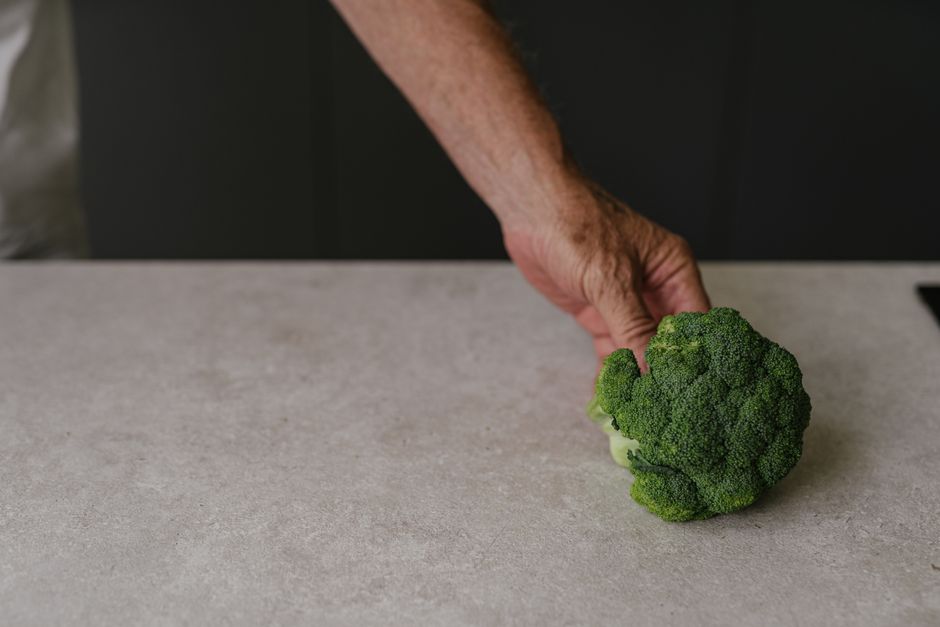
Broccoli does not thin your blood or make it clot. It contains vitamin K, which your liver needs to make certain clotting proteins, but eating broccoli does not act like a blood thinner or a clot-booster in any direct way. The real story is about consistency — how steady your vitamin K intake is matters far more than whether broccoli is on your plate.
Does Broccoli Thin Your Blood Or Help It Clot?
Neither. Broccoli is a vitamin K-rich food, and vitamin K is required for normal blood clotting. Without enough of it, clotting can be impaired. But eating broccoli does not push your clotting system into overdrive, and it does not thin your blood the way a medication does.
The confusion comes from a real interaction: vitamin K can reduce the effectiveness of warfarin (Coumadin), a prescription blood thinner. That does not mean broccoli itself thins or thickens blood. It means broccoli can interfere with how well a specific drug works.
Vitamin K is a fat-soluble vitamin with two main jobs. It helps your liver produce clotting factors — proteins that allow blood to solidify when you’re injured. It also plays a role in bone health. Your body needs some vitamin K for normal function, but it doesn’t need massive amounts, and more is not better for clotting purposes.
One cup of raw chopped broccoli provides roughly 90 micrograms of vitamin K. Cooked broccoli contains somewhat less because cooking can reduce vitamin K content slightly, though it remains a good source either way. For context, the recommended daily intake for adult men is 120 micrograms and for adult women is 90 micrograms.
How Does Vitamin K Affect Blood Clotting?
Vitamin K activates specific proteins in your liver that are essential for coagulation — the process that forms blood clots. These include factors II (prothrombin), VII, IX, and X. Without vitamin K, these factors cannot function properly, and bleeding risk increases.
This is why newborns in many countries receive a vitamin K injection at birth. Their guts are sterile and they cannot yet produce vitamin K efficiently on their own, putting them at risk for a serious bleeding disorder called vitamin K deficiency bleeding. This is one of the clearest demonstrations that vitamin K is genuinely necessary for clotting — not a marketing claim, but a well-documented clinical fact.
In healthy adults eating a normal diet, vitamin K deficiency is rare. Your gut bacteria produce some vitamin K, and you get the rest from food. Broccoli, kale, spinach, collard greens, and other leafy greens are among the richest sources.
What broccoli does not do is act as a blood thinner. It does not contain salicylates in amounts that would meaningfully affect clotting in typical servings. It does not inhibit platelet function the way aspirin does. It does not dissolve existing clots.
Why Do People On Blood Thinners Get Warned About Broccoli?
Warfarin works by blocking vitamin K’s action in the liver. This reduces the production of those clotting factors and slows clotting — which is exactly what you want if you’re at risk for dangerous clots. But the drug’s effect depends on how much vitamin K is available.
If you suddenly eat a lot more vitamin K than usual, warfarin becomes less effective. If you suddenly eat much less, it becomes more effective — sometimes too effective, raising bleeding risk. The problem is not broccoli itself. The problem is swings in vitamin K intake.
This is why clinicians typically advise people on warfarin to keep vitamin K intake consistent from day to day and week to week, rather than avoiding green vegetables altogether. Avoiding them can actually make it harder to stabilize the dose. The goal is steadiness, not elimination.
It’s worth noting that not all blood thinners interact with vitamin K. Direct oral anticoagulants (DOACs) such as apixaban, rivaroxaban, and dabigatran work through different mechanisms and do not have the same vitamin K interaction. If you’re on one of these medications, the broccoli warning does not apply in the same way. If you’re unsure which type you’re on, ask your pharmacist or prescriber.


Does Cooking Broccoli Change How It Affects Clotting?
Cooking reduces vitamin K content somewhat, but not enough to make broccoli a “free” food for someone on warfarin. Steaming, boiling, and stir-frying all cause some loss, but the vegetable remains a meaningful vitamin K source.
What matters more than cooking method is portion size and frequency. A small side of broccoli a few times a week is very different from a large bowl of broccoli every day. For someone on warfarin, the pattern is what counts.
Some people wonder if raw broccoli is “worse” for blood thinners than cooked. Raw broccoli does contain more vitamin K by weight, but the difference is not dramatic enough to change the basic advice: keep your intake steady.
Can Broccoli Actually Help Prevent Blood Clots?
No. There is no clinical evidence that eating broccoli prevents dangerous blood clots like deep vein thrombosis or pulmonary embolism. Broccoli contains compounds that have been studied for various health effects, but blood clot prevention is not one of them.
Some laboratory research has looked at sulforaphane and other compounds in broccoli for potential anti-inflammatory or anticancer properties. That research is ongoing and mostly preliminary. It does not translate into “broccoli thins your blood.”
If you have a history of blood clots or are at high risk, the tools that reduce that risk are prescribed anticoagulants, compression, movement, and medical management — not dietary changes. No food has been shown in clinical trials to replace or replicate the effect of anticoagulant medication.
This is an important distinction. Biological plausibility — the idea that a compound might affect clotting because of what it does in a lab dish — is not the same as demonstrated clinical benefit in humans. Many substances look promising in early research and never pan out in trials.
What About Other Foods That Affect Blood Clotting?
Broccoli is not unique. Many foods contain vitamin K or other compounds that can interact with clotting:
- Leafy greens — kale, spinach, collard greens, turnip greens, and Swiss chard are all high in vitamin K.
- Green herbs — parsley, cilantro, and basil contain notable amounts.
- Certain oils — soybean and canola oil contain vitamin K.
- Green tea — contains small amounts of vitamin K, though typically not enough to matter unless consumed in very large quantities.
- Natto — fermented soybeans are extremely high in vitamin K2 and are a well-known warfarin interaction.
Alcohol is sometimes mentioned as a blood thinner, and heavy drinking can indeed affect platelet function and liver-based clotting. But this is a different mechanism entirely and not a reason to drink.
Grapefruit is another food that interacts with medications, but its interaction is with drug metabolism in the gut and liver — not with vitamin K or clotting directly. It does not thin blood.
Should You Change How Much Broccoli You Eat?
If you are not on warfarin or another vitamin K-antagonist blood thinner, there is no reason to limit broccoli for clotting reasons. It’s a nutritious vegetable with fiber, vitamin C, folate, and other nutrients.
If you are on warfarin, the advice is not to avoid broccoli but to keep your intake consistent. Sudden changes in either direction can throw off your INR — the blood test used to monitor warfarin’s effect. Your clinician adjusts your dose based on that test, and a stable diet makes that easier.
If you’re on warfarin and want to increase or decrease your broccoli intake, mention it to your prescriber. They may want to check your INR sooner than usual. This is a normal part of managing the medication, not a reason to panic.
For everyone else, the question of whether broccoli thins your blood or helps it clot has a simple answer: it does neither. It provides a nutrient your body needs for normal clotting function, and your body regulates the rest.
Frequently Asked Questions
Does broccoli thin your blood like aspirin?
No. Broccoli does not inhibit platelets or slow clotting the way aspirin does. It contains vitamin K, which is actually needed for normal clotting, not a blood-thinning compound.
Can I eat broccoli while taking warfarin?
Yes, but keep your intake consistent from week to week. The concern is sudden changes in vitamin K, not broccoli itself, and your clinician can adjust your dose based on INR monitoring.
How much vitamin K is in a cup of broccoli?
One cup of raw chopped broccoli contains roughly 90 micrograms of vitamin K. Cooked broccoli has somewhat less, but it remains a meaningful source.
Does broccoli prevent blood clots?
No clinical evidence supports this. No food has been shown in trials to prevent dangerous clots the way prescribed anticoagulant medication does.
