
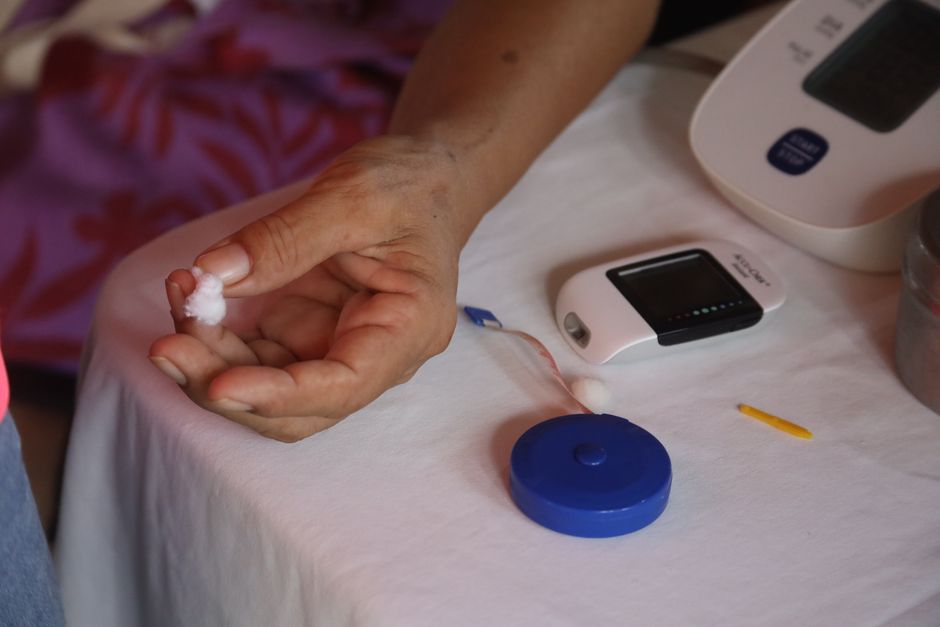
Thin blood is not a single condition. It is a description of blood that does not clot as easily as it should. In most cases, this happens because of a low platelet count or a problem with the proteins that help blood clot. Whether thin blood is dangerous depends entirely on why it is happening and how severe it is. Mild cases may cause no symptoms at all. Severe cases can lead to serious bleeding that requires medical care.
What Does “Thin Blood” Actually Mean?
Blood thickness is not a real medical measurement. When people say they have thin blood, they usually mean their blood takes longer to clot. Doctors do not use the term “thin blood.” Instead, they look at specific lab values that measure clotting ability.
The two main causes are a low platelet count and weak clotting factors. Platelets are small cells in your blood that stick together to form a plug at the site of an injury. Clotting factors are proteins in your blood that work with platelets to form a stable clot. If either of these is not working well, bleeding can last longer than normal.
Some people have naturally lower platelet counts that never cause problems. Others develop a sudden drop in platelets that requires urgent treatment. The difference matters more than the label “thin blood.”
Is Thin Blood Bad for Your Health?
Thin blood is not automatically bad. Many people live with mild thrombocytopenia — the medical term for low platelets — and never have a bleeding problem. The risk depends on how low the platelet count is and whether the person has other health conditions.
Normal platelet counts range from 150,000 to 450,000 platelets per microliter of blood. Counts below 150,000 are considered low. Most people do not have serious bleeding until counts drop below 50,000. Below 20,000, the risk of spontaneous bleeding increases significantly. These thresholds are well established in clinical practice.
The danger is not the thin blood itself. The danger is uncontrolled bleeding. A person with thin blood can bleed heavily from a minor cut, bruise easily, or develop internal bleeding without any obvious injury. That is when thin blood becomes a serious health problem.
What Causes Thin Blood?
Several distinct conditions can cause thin blood. Some are temporary and harmless. Others are chronic and require ongoing management.
Medications are the most common cause. Blood thinners like warfarin, apixaban, and rivaroxaban intentionally reduce clotting ability. Aspirin and other anti-inflammatory drugs also interfere with platelet function. These medications are prescribed for people at risk of blood clots or stroke. The thin blood they cause is the intended effect, not a side effect.
Medical conditions can also cause low platelets. Immune thrombocytopenia happens when the immune system mistakenly attacks platelets. Liver disease reduces the production of clotting factors. Leukemia and other blood cancers can crowd out normal blood cell production in the bone marrow. Vitamin B12 or folate deficiency can impair platelet production as well.
Pregnancy sometimes causes a mild drop in platelets, especially in the third trimester. This is usually harmless and resolves after delivery. Gestational thrombocytopenia affects about 5% of pregnancies and typically does not require treatment.
Infections can temporarily lower platelet counts. Viral infections like hepatitis C, HIV, and even common respiratory viruses can suppress platelet production. Bacterial infections that spread through the blood can also consume platelets rapidly.




What Are the Red Flags of Thin Blood?
Certain symptoms should prompt a medical evaluation. These are signs that thin blood may be causing or could cause serious bleeding.
- Bleeding that does not stop within 10 minutes from a minor cut
- Nosebleeds that last longer than 10 minutes or happen frequently
- Bleeding gums after brushing or flossing
- Unexplained bruising, especially bruises that are large or appear without injury
- Blood in urine or stool
- Vomiting blood or coughing up blood
- Heavy menstrual bleeding that lasts longer than 7 days or soaks through pads hourly
- Pinpoint red spots on the skin called petechiae, often on the lower legs
Some red flags point to internal bleeding. These include sudden severe headache, dizziness, weakness, abdominal pain, or blood in the stool that looks black and tarry. These symptoms require immediate medical attention.
Petechiae deserve special mention. These tiny red or purple dots appear when capillaries bleed into the skin. They do not blanch when pressed. They often appear on the legs and ankles and can signal a dangerously low platelet count.
How Is Thin Blood Diagnosed?
Diagnosis starts with a complete blood count. This test measures platelet numbers and can reveal other blood cell abnormalities. If platelets are low, the doctor may order additional tests to find the cause.
A blood smear looks at platelets under a microscope. This can show whether platelets are being destroyed, not produced, or abnormally large. Tests for clotting factors measure how well the blood can form a clot. Bone marrow biopsy is sometimes needed if the blood counts suggest a production problem.
The diagnostic process matters because treatment depends on the cause. A person with medication-induced thin blood needs a different approach than someone with immune thrombocytopenia. There is no one-size-fits-all treatment.
When Does Thin Blood Require Treatment?
Not every case of thin blood needs treatment. Mild cases with no symptoms and no bleeding episodes are often monitored rather than treated. Doctors weigh the risk of bleeding against the risks of treatment.
Treatment is clearly indicated when platelet counts drop below a safe threshold or when bleeding occurs. Options include medications that boost platelet production, immune-suppressing drugs for autoimmune causes, and platelet transfusions for emergencies.
For people on blood-thinning medications, the treatment is to adjust or pause the medication. This decision is always made by a doctor. Stopping a blood thinner on your own can trigger a dangerous blood clot, especially if the medication was prescribed after a stroke or heart attack.
The evidence for treating mild thrombocytopenia is limited. No clinical trials have shown that treating platelet counts above 50,000 reduces serious bleeding in otherwise healthy people. Many clinicians monitor these patients without intervention. This is a case where common practice is not strongly supported by trial data, and doctors are honest about that uncertainty.
Can Thin Blood Be Prevented?
Prevention depends on the cause. There is no way to prevent immune thrombocytopenia or genetic conditions that affect clotting. But some causes of thin blood are avoidable.
Excessive alcohol use damages the liver and impairs clotting factor production. Limiting alcohol intake protects liver function. A diet deficient in vitamin B12 or folate can impair platelet production. Treating these deficiencies restores normal blood cell production.
If you take blood-thinning medication, you can reduce bleeding risk by avoiding additional blood thinners. Over-the-counter drugs like ibuprofen and naproxen interfere with platelet function. Always ask a pharmacist or doctor before combining medications that affect clotting.
Frequently Asked Questions
What platelet count is considered dangerously low?
A platelet count below 20,000 per microliter is considered dangerously low and carries a significant risk of spontaneous bleeding. Counts below 50,000 also require close monitoring and medical supervision.
Can thin blood cause a stroke?
Thin blood itself does not cause strokes. In fact, blood thinners are prescribed to prevent strokes caused by blood clots. However, thin blood increases the risk of a hemorrhagic stroke, which is bleeding in the brain.
Is thin blood the same as hemophilia?
No. Hemophilia is a specific inherited disorder caused by missing or defective clotting factors. Thin blood is a general term that can describe many different conditions, including low platelets or medication effects.
Can diet make your blood thinner?
Some foods like garlic, ginger, and fish oil may mildly affect platelet function. The effect is small and unlikely to cause clinical bleeding in healthy people. Do not use these foods as a substitute for prescribed blood thinners.
