
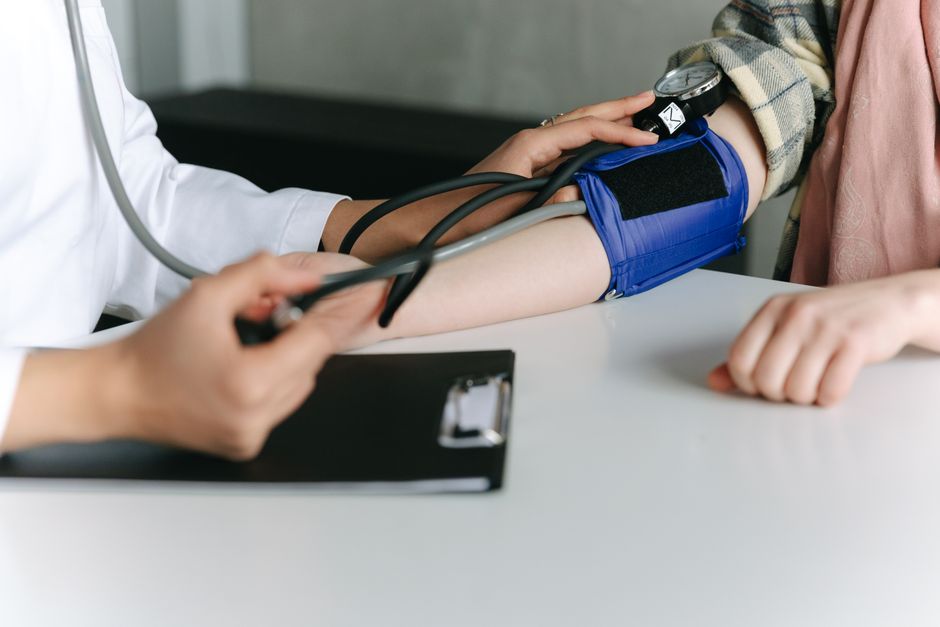
Yes, blood pressure often does rise when you are sick — but not always, and not in every illness. The short answer is that acute illness of almost any kind can push blood pressure up temporarily, usually because of pain, fever, stress hormones, dehydration, or certain medications. It can also drop, especially in serious infections. The direction depends on what is making you sick and how your body responds.
Does Blood Pressure Rise When Sick?
Blood pressure commonly rises during short-term illness. The body responds to infection, injury, and inflammation by releasing stress hormones such as adrenaline and cortisol. Those hormones tighten blood vessels and speed up the heart, which raises pressure.
Pain does the same thing. A bad sore throat, an infected tooth, a kidney stone, or a bad headache can all drive blood pressure up purely through discomfort and the body’s alarm response. Fever adds another push. For every degree of temperature rise, the heart works harder and beats faster, which tends to lift pressure.
This rise is usually modest and temporary. Once the illness passes and pain and fever settle, blood pressure generally returns to its usual range. The exception is serious infection, which can send pressure the other way — sometimes dangerously low.
Why Does Blood Pressure Go Up When You Are Sick?
The mechanism is mostly the body’s stress response. When you get sick, your nervous system shifts into a defensive mode. The sympathetic branch of the nervous system — the “fight or flight” system — becomes more active. It releases hormones that narrow blood vessels and increase heart rate.
Several things happen at once:
- Stress hormones narrow blood vessels, raising pressure
- Fever increases heart rate and cardiac output
- Pain triggers the same alarm response
- Dehydration from vomiting, diarrhea, or poor fluid intake changes blood volume and can raise or lower pressure
- Some cold and flu medicines contain decongestants that directly raise blood pressure
That last point matters more than most people realize. Pseudoephedrine and phenylephrine — common ingredients in cold and sinus remedies — constrict blood vessels. For someone with existing high blood pressure, these drugs can push readings up noticeably. This is why many clinicians advise people with hypertension to check cold medicine labels carefully or ask a pharmacist before buying.
Which Illnesses Raise Blood Pressure the Most?
Painful and inflammatory conditions tend to raise blood pressure the most. That includes infections with significant pain, like strep throat, dental abscesses, urinary tract infections, and kidney stones. Any illness that causes fever, chills, or significant discomfort can do it.
Respiratory infections are a common culprit. A bad cough, sinus infection, or flu can raise pressure through a combination of fever, pain, poor sleep, and the medications people take to manage symptoms. Sleep loss alone can raise blood pressure in the short term.
Inflammatory conditions such as gout, flare-ups of autoimmune disease, or severe allergic reactions can also push pressure up. The common thread is that the body is under stress and the cardiovascular system responds.
One important distinction: a temporary rise during illness is different from chronic high blood pressure. A single high reading during a bad flu does not mean you have hypertension. What matters is what your pressure does when you are well.

Can Illness Make Blood Pressure Drop Instead?
Yes, and this is the more dangerous direction. Serious infections — particularly sepsis — can cause blood pressure to fall sharply. This is a medical emergency.
When the body fights a severe infection, blood vessels can widen and leak fluid into tissues. Combined with dehydration and the heart’s reduced ability to pump effectively, this drops pressure. The result is that vital organs do not get enough blood flow.
Signs that low blood pressure from illness needs urgent attention include:
- Feeling faint or dizzy when standing
- Confusion or difficulty staying alert
- Rapid breathing or a racing heart
- Cold, clammy, or mottled skin
- Very little urine output
These are emergency signs. If you or someone else has them along with an infection, seek medical care immediately.
Dehydration from vomiting or diarrhea can also lower pressure, even without a severe infection. When fluid loss outpaces fluid intake, blood volume drops and pressure falls. Replacing fluids and electrolytes is the usual approach when someone can keep them down.
Does a Cold or Flu Raise Blood Pressure?
A cold or flu can raise blood pressure, but the effect is usually small and short-lived. The bigger issue is often the medicine people take for it.
Decongestants are the main concern. Oral pseudoephedrine is known to raise blood pressure and heart rate. Phenylephrine, another common decongestant, also constricts blood vessels. Many over-the-counter cold and flu products combine a decongestant with other ingredients, so it is easy to take one without realizing it.
The evidence on phenylephrine is mixed. Some studies suggest oral phenylephrine is largely ineffective as a decongestant because very little of it reaches the bloodstream intact. That does not mean it is harmless for blood pressure — it still has some effect on blood vessels in people who are sensitive to it. If you have high blood pressure, ask a pharmacist which cold remedies are appropriate for you.
Non-drug measures — rest, fluids, saline nasal spray, and steam — do not raise blood pressure. For many people with hypertension, these are the safer first choices during a cold.
What Should You Do If You Are Sick and Your Blood Pressure Is High?
A temporary rise during illness usually does not need treatment on its own. The priority is treating the illness and monitoring your readings. Most people see their pressure return to normal within a few days of recovering.
Practical steps that make sense during illness:
- Keep taking your regular blood pressure medication unless a doctor tells you otherwise
- Stay hydrated — dehydration can push pressure in either direction
- Treat fever and pain with appropriate medication
- Avoid decongestants if you have high blood pressure
- Rest and get sleep — sleep deprivation raises pressure
- Check your readings at home if you have a monitor
Do not stop or change prescribed blood pressure medication on your own because you are sick. Some illnesses and medications interact, and a clinician can advise on what is safe.
Seek medical care if your readings are very high and stay high, or if you have chest pain, severe headache, shortness of breath, vision changes, or signs of low blood pressure like fainting. A reading above 180/120 mmHg is generally considered a hypertensive crisis and needs prompt medical attention.
When Is a Blood Pressure Change During Illness a Real Concern?
A single high reading during a bad cold or flu is rarely a concern by itself. What matters is the pattern and the symptoms around it.
Concern is warranted when:
- Readings stay high after the illness has passed
- Pressure drops sharply with signs of poor circulation
- You have chest pain, severe headache, or difficulty breathing
- You have a known heart condition or have had a stroke
- You are pregnant or recently gave birth
Pregnancy deserves special mention. Blood pressure changes during pregnancy can signal conditions that need urgent care, and any concerning reading or symptom should be evaluated right away. There are no home remedies that substitute for medical assessment in that situation.
For most healthy adults, the takeaway is simple. Illness can move blood pressure up or down, usually for a short time. Watch the trend, treat the illness, and get medical help for warning signs. If your pressure is back to normal once you feel well, the illness was likely the cause.
Frequently Asked Questions
Does blood pressure rise when you have a fever?
Yes, fever commonly raises blood pressure because it increases heart rate and triggers the body’s stress response. The rise is usually temporary and settles once the fever breaks.
Can a cold raise blood pressure?
A cold can raise blood pressure slightly through stress, poor sleep, and fever, but cold medicines containing decongestants are often the bigger cause. People with high blood pressure should check labels or ask a pharmacist before using them.
Can an infection make blood pressure drop?
Yes, severe infections such as sepsis can cause dangerously low blood pressure and require emergency care. Dehydration from vomiting or diarrhea can also lower pressure.
Should I stop my blood pressure medication when I am sick?
No, do not stop prescribed blood pressure medication on your own because you are sick. Talk to your doctor or pharmacist, who can advise based on your illness and other medicines.
