
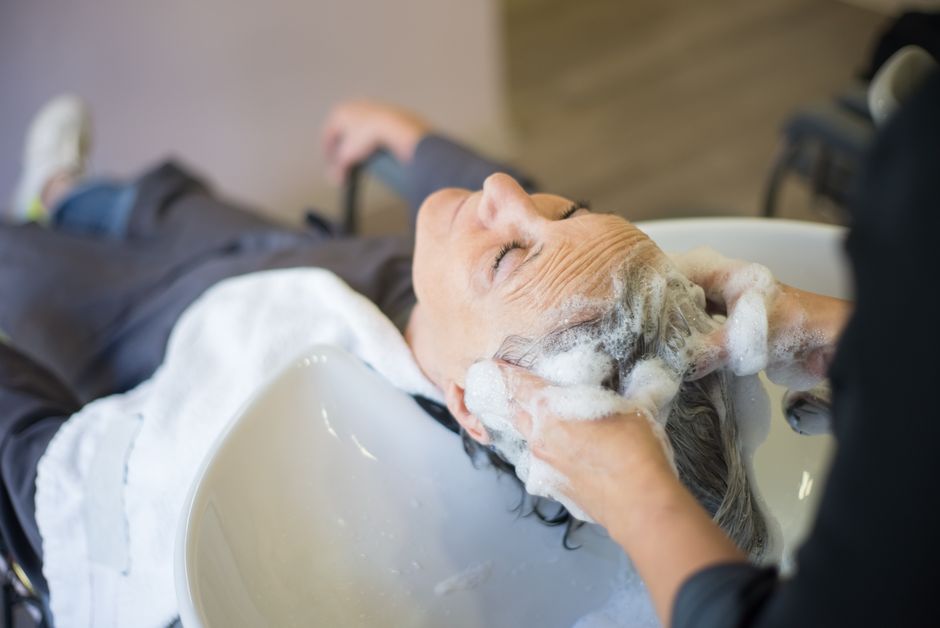
Biotin and collagen shampoos are popular, but the science behind them is not as strong as the marketing suggests. Shampoo sits on your hair for only a few minutes before being rinsed away. That brief contact is not enough for biotin or collagen to change how your hair grows. What these shampoos can do is improve the appearance of the hair strands you already have, which is a different result than growing new hair.
What Biotin and Collagen Actually Do for Hair
Biotin is a B vitamin. Your body needs it to convert food into energy and to maintain healthy skin, nails, and hair. Collagen is a protein. It is the main structural protein in your skin, bones, and connective tissue.
Both are essential for a healthy body. The question is whether putting them on your scalp through shampoo makes a measurable difference.
Hair growth happens from the inside. The hair follicle sits below the surface of your scalp. It receives nutrients from your bloodstream, not from the surface of your skin. For biotin or collagen to affect new hair growth, they need to reach the follicle through your circulation.
That means oral supplements have a plausible pathway to influence hair. Topical shampoos do not have the same route. The active ingredients in shampoo are designed to clean the scalp and hair, not to penetrate deep enough to change follicle activity.
Does Biotin And Collagen Shampoo Actually Work for Hair Growth?
No clinical evidence confirms that biotin or collagen in shampoo stimulates new hair growth. Studies that show benefits from biotin or collagen for hair have used oral supplements, not topical products.
Some research suggests collagen peptides taken orally may support hair thickness and scalp health. Biotin supplementation has been studied mainly in people who are actually deficient in biotin, which is rare. For someone with a normal diet and no underlying deficiency, extra biotin has not been shown to change hair growth.
Shampoo formulas that contain biotin or collagen can still make hair look better immediately after washing. They often include other ingredients like conditioning agents that coat the hair shaft, smooth the cuticle, and reduce frizz. This creates the appearance of shinier, fuller, healthier hair. That cosmetic effect is real, but it is not the same as growing thicker or faster hair.
Why Shampoo Ingredients Struggle to Reach Hair Follicles
Your skin has a protective barrier called the stratum corneum. It is the outermost layer of the epidermis. This layer is designed to keep things out, including most chemicals and proteins.
Collagen molecules are large. They are too big to pass through the skin barrier easily. Biotin molecules are smaller, but they still face the same fundamental problem of absorption through intact skin.
Even if some ingredient did penetrate the scalp surface, the concentration would be very low. Shampoo is diluted with water during washing and rinsed off within minutes. The exposure time is simply too short to deliver a meaningful dose to the follicle.
There is also the question of what the hair follicle needs. Hair growth depends on blood supply, hormones, and nutrient availability. A brief topical application of a vitamin or protein does not change any of these underlying factors.





What Biotin and Collagen Shampoo Can Do for Hair Appearance
Just because these shampoos do not grow hair does not mean they are useless. The cosmetic benefits are legitimate.
Shampoos marketed as biotin or collagen formulas often contain additional ingredients that improve how hair looks and feels. These may include:
- Proteins that temporarily fill in gaps in damaged hair cuticles
- Silicones that coat the hair shaft and add shine
- Humectants that attract moisture and reduce dryness
- Conditioning agents that reduce tangling and static
These ingredients coat the outside of the hair strand. Hair that is coated, smoothed, and hydrated reflects light better. It looks shinier and feels softer. It may also appear thicker because the coating adds slight bulk to each strand.
This effect is temporary. It lasts until the next wash. But for many people, that is enough. If you want hair that looks healthier and is easier to manage, a biotin or collagen shampoo may help you achieve that cosmetic goal.
If you want new hair growth, the shampoo alone will not deliver that result.
Who Actually Benefits from Biotin Supplementation
Biotin deficiency is genuinely rare. Most people get enough biotin from their diet. Foods like eggs, nuts, seeds, salmon, and sweet potatoes are good sources.
Certain groups have higher biotin needs. Pregnant women sometimes have lower biotin levels. People with biotinidase deficiency, a genetic condition, require supplementation. People who consume large amounts of raw egg whites over a long period may also develop deficiency because avidin in raw eggs blocks biotin absorption.
Signs of true biotin deficiency include hair thinning, brittle nails, skin rashes, and neurological symptoms. If you have these symptoms, you should see a doctor rather than self-treat with supplements. A doctor can test your biotin levels and determine whether supplementation is appropriate.
For healthy people eating a normal diet, biotin supplements have not been shown to improve hair growth. Some research indicates that biotin supplements may help people with brittle nails, but the evidence is not strong across all studies.
Collagen Supplements and Hair Health
Collagen supplements are a separate category from collagen shampoos. Oral collagen peptides are broken down into amino acids during digestion. These amino acids are then available for your body to use in protein synthesis.
Some research has explored whether collagen peptides can support hair health. Studies have looked at collagen supplementation combined with other ingredients like vitamins and antioxidants. Results have been promising but not conclusive. The studies are often small, and the formulations vary, making it hard to isolate the effect of collagen alone.
Collagen is rich in specific amino acids like proline and glycine. These are building blocks for keratin, the protein that makes up hair. The theory is that providing these building blocks orally could support hair structure. That theory is biologically plausible, but it does not prove clinical benefit.
No large human trials have confirmed that collagen supplements reliably grow hair in healthy people. The evidence is limited and mixed.
Other Ingredients in Hair Growth Shampoos
Some shampoos contain ingredients that have more direct evidence for scalp health. These are worth knowing about if you are shopping for a hair product.
Ketoconazole is an antifungal ingredient that is sometimes used in shampoos for dandruff. Some studies suggest it may have a mild effect on hair growth, possibly by reducing inflammation on the scalp. The evidence is not strong enough to recommend it as a primary hair loss treatment.
Caffeine is another ingredient that has been studied in shampoo form. Some research suggests caffeine may stimulate hair follicles in laboratory settings. Whether that translates to meaningful hair growth in humans using a shampoo is not well established.
Minoxidil is the ingredient with the strongest evidence for topical hair growth. It is available over the counter as a liquid or foam. Minoxidil is not a shampoo ingredient. It is applied directly to the scalp and left in place. Clinical trials have confirmed that it can slow hair loss and stimulate regrowth in some people.
If your goal is to address actual hair thinning, you should talk to a doctor about proven options like minoxidil or prescription treatments. A shampoo with biotin or collagen will not replace these evidence-based approaches.
How to Choose a Shampoo If You Want Healthier-Looking Hair
Look at the full ingredient list rather than the front label. The marketing claim on the bottle tells you less than the actual formulation.
For cosmetic improvement, look for shampoos with conditioning agents and proteins that coat the hair shaft. Ingredients like hydrolyzed keratin, panthenol, and various silicones can improve the look and feel of hair after washing.
Consider your hair type. People with fine hair may want lightweight formulas that do not weigh hair down. People with thick or curly hair may benefit from richer moisturizing formulas. People with dry or damaged hair may need more intensive conditioning.
Pay attention to how your hair responds. If a shampoo leaves your hair feeling clean and looking healthy, that is a good sign. If it leaves your hair dry, brittle, or greasy, try a different formula. Personal response matters more than the trendy ingredients on the label.
Bottom Line on Biotin and Collagen Shampoo
Biotin and collagen shampoos do not grow hair. No clinical evidence confirms that they can. The ingredients do not penetrate the scalp in meaningful amounts, and the exposure time during washing is too short.
These shampoos can improve how your hair looks. The conditioning agents in these formulas coat the hair shaft and create a smoother, shinier appearance. That cosmetic effect is real.
If you are dealing with hair loss or thinning, see a doctor. Hair loss has many causes, including genetics, hormones, stress, and nutritional deficiencies. A healthcare provider can help identify the cause and recommend treatments with actual evidence behind them.
Frequently Asked Questions
Can biotin shampoo regrow hair?
No clinical evidence confirms that biotin in shampoo can regrow hair. Biotin needs to reach hair follicles through the bloodstream, and shampoo does not deliver it there.
Is collagen shampoo good for thinning hair?
Collagen shampoo can make thinning hair look fuller by coating strands and adding body, but it does not treat the underlying cause of thinning. For actual regrowth, talk to a doctor about proven treatments.
How long does biotin take to work for hair?
Studies on oral biotin for hair typically run for several months, but results are inconsistent. No reliable timeline exists for topical biotin because no evidence confirms it works.
Do I need biotin supplements for hair loss?
Only if you have a confirmed biotin deficiency, which is rare in healthy people. Most hair loss is related to genetics or hormones, not biotin levels.
