
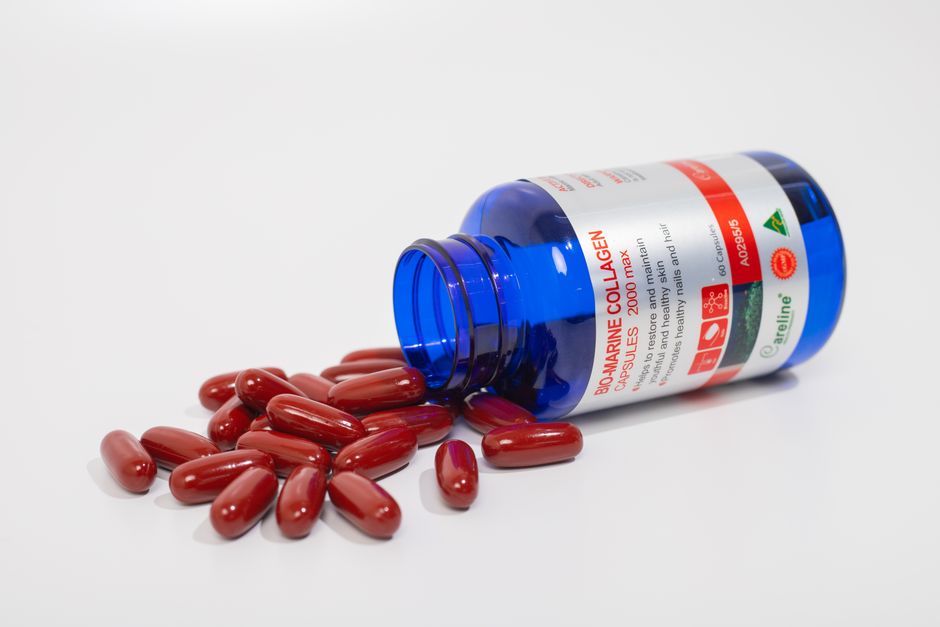
Collagen supplements do not directly cause weight gain. The calories in a typical collagen supplement are minimal, and collagen protein does not contain properties that trigger fat storage. However, the relationship between collagen and your weight is not a simple yes or no. Some factors, like added ingredients and your overall diet, can change the picture.
Does Collagen Supplement Make You Gain Weight?
No, a standard collagen supplement will not make you gain weight on its own. A typical scoop of collagen powder contains roughly 35 to 50 calories and about 9 to 10 grams of protein. That is a very small amount of energy. For comparison, a single egg has about 70 calories.
Weight gain happens when you consistently consume more calories than your body burns. Adding a small scoop of collagen to your morning coffee adds a small number of calories. Unless that addition pushes you past your daily calorie needs, it will not cause weight gain.
The type of weight you might see on the scale is another issue. Collagen is a protein. Protein supports muscle maintenance. If you are strength training and eating enough protein, collagen may contribute to muscle repair. Muscle weighs more than fat by volume. So if you build muscle, the scale might go up even though your body fat percentage is going down. That is not fat gain. That is a change in body composition.
What Is Actually in Your Collagen Supplement?
Many commercial collagen products are not just pure collagen. They often contain added sweeteners, flavorings, and other ingredients. Some flavored collagen powders contain added sugar or artificial sweeteners. Others include additives like coconut milk powder or MCT oil powder to improve texture and taste.
These extra ingredients add calories. A flavored collagen supplement can contain significantly more calories than an unflavored one. Even if the collagen itself is not a problem, the added ingredients could push your daily calorie intake up. Always read the nutrition label. Look at the total calories and the ingredient list, not just the protein content.
Some collagen products are marketed as “beauty” drinks or “skin” elixirs. These are often pre-mixed beverages with added sugars or fruit juices. These can contain 100 to 150 calories or more per serving. Drinking one of these daily on top of your regular diet could contribute to weight gain over time.
How Collagen Protein Affects Your Appetite
Protein is known to increase feelings of fullness. Collagen is a protein, but it is not a complete protein. It lacks the essential amino acid tryptophan and has very low levels of others. This means it does not stimulate muscle protein synthesis as effectively as whey, casein, or soy.
For appetite, the evidence is mixed. Some research suggests that collagen protein can reduce hunger, similar to other proteins. Other studies indicate that collagen is less satiating than other protein sources. This is likely because collagen is low in the branched-chain amino acids that signal fullness to the brain.
If you are using collagen to feel full and reduce snacking, it may work for some people. It may not work for others. The effect is not strong enough to rely on for weight management. Treat collagen as a minor addition to your diet, not as a tool for appetite control.





Collagen and Digestion: Does It Slow Things Down?
Collagen is a protein, and proteins take time to digest. Gelatin, which is cooked collagen, forms a gel-like substance in the digestive tract. Some people report feeling bloated or heavy after taking collagen. This is not the same as gaining weight.
Bloating is temporary water and gas retention in the digestive tract. It can make your stomach look and feel larger. But it is not fat. It will pass within hours. If you feel bloated after taking collagen, try taking it with food instead of on an empty stomach. Or reduce the dose and see if symptoms improve.
Some collagen supplements also contain added digestive enzymes. These are meant to help break down the collagen. They do not add calories. They do not cause weight gain. They may reduce bloating for some people, but the evidence for their effectiveness is limited.
Does Collagen Affect Your Metabolism or Hormones?
Collagen does not have a direct effect on your metabolic rate. It does not speed up or slow down your metabolism. Your thyroid hormones, muscle mass, age, and activity level are the main drivers of your metabolic rate. A collagen supplement will not change these.
Collagen is rich in the amino acids glycine and proline. Glycine has been studied for its role in sleep and inflammation. Poor sleep and chronic inflammation are linked to weight gain. Some research suggests that glycine may improve sleep quality. Better sleep can support healthy weight management. But this is an indirect effect, not a direct one.
No clinical evidence shows that collagen changes estrogen, testosterone, or other hormones that influence fat storage. If you hear claims about collagen “balancing hormones” to prevent weight gain, treat those with skepticism. No large human trials have confirmed this.
What the Research Actually Shows
Research on collagen supplements has focused mostly on skin health, joint pain, and muscle recovery. Very few studies have examined collagen and body weight directly. Some studies suggest that collagen peptide supplementation may help preserve lean body mass during weight loss. Others show no significant effect on body composition.
A 2019 review of collagen supplementation and body composition found mixed results. Some trials reported small increases in fat-free mass. Others reported no change. The studies were small and short-term. None of them showed that collagen caused fat gain.
The strongest evidence for collagen is in skin elasticity and joint discomfort. For weight management, the evidence is weak. Collagen is not a weight-loss supplement. It is also not a weight-gain supplement. It is a protein supplement with specific benefits for connective tissue.
Who Should Be Careful with Collagen Supplements
Most healthy adults can take collagen without issues. But some people should be cautious. If you have a fish or shellfish allergy, check the source of your collagen. Marine collagen comes from fish skin and scales. If you have a beef allergy, avoid bovine collagen.
People with kidney disease should be careful with any protein supplement, including collagen. The kidneys filter protein byproducts. Extra protein can strain damaged kidneys. No clinical guidelines currently exist for collagen use in kidney disease. Talk to your doctor first.
Pregnant and breastfeeding women should also consult a healthcare provider. Collagen supplements are not regulated like medications. The safety data for these populations is limited. It is better to get protein from whole foods during pregnancy unless a doctor recommends otherwise.
If you have a history of kidney stones, especially calcium oxalate stones, be cautious. Collagen is high in the amino acid hydroxyproline. Some research suggests that high hydroxyproline intake may increase oxalate production. This could raise the risk of kidney stones in susceptible people. The evidence is not conclusive, but it is worth discussing with your doctor.
How to Take Collagen Without Affecting Your Weight
If you want to take collagen but are worried about weight, follow these practical steps. Choose an unflavored collagen powder. It has the fewest added ingredients and the lowest calorie count. Measure your serving size. Do not assume one scoop is the right amount. Check the label for the exact serving size and stick to it.
Consider the timing. Taking collagen in the morning with coffee is common. But if you are trying to manage your weight, be mindful of what else is in that coffee. A collagen latte with whole milk and sweetener can easily become a 300-calorie drink. That is a meal, not a supplement.
Track your total daily calories for a few days. This will tell you if the collagen is pushing you over your maintenance calories. If you are gaining weight, the collagen is not the root cause. Your total calorie intake is. Remove the collagen and see if the scale changes. If it does not, your weight gain is from something else.
Frequently Asked Questions
Will collagen supplements make me gain belly fat?
No, collagen does not cause belly fat specifically. Fat distribution is controlled by genetics and hormones, not by any single supplement. Weight gain in the belly comes from excess overall calorie intake.
Can collagen supplements cause water retention?
Some people report temporary bloating or water retention after taking collagen. This is not fat gain and usually resolves within a few hours. Taking collagen with food may reduce this effect.
Is it better to get protein from food instead of collagen?
For overall health and muscle building, yes. Whole food proteins like chicken, eggs, and fish provide complete amino acid profiles. Collagen is a supplement for connective tissue health, not a replacement for dietary protein.
How many calories are in a typical collagen supplement?
An unflavored collagen powder contains about 35 to 50 calories per scoop. Flavored versions and pre-mixed collagen drinks can contain significantly more due to added sugars and fats.
