

Baking soda is one of the most common home remedies people reach for after a bug bite. It does not cure the bite or remove the cause, but it can ease itching and irritation for some people. The trick is knowing how to mix it and when to skip it entirely.
A bug bite triggers a small immune reaction in your skin. Your body releases histamine, which causes itching, redness, and swelling. Baking soda — sodium bicarbonate — is alkaline, and that chemistry is the reason people think it helps. Whether it actually does much is a fair question, and the honest answer is that the evidence is thin. What we do know is that it is generally low-risk when used correctly on intact skin, and many people find it soothing.
Does Baking Soda Help With Bug Bites How To Use It?
Baking soda can reduce the sensation of itching for some people, but it does not treat the underlying reaction or speed healing in any proven way. Think of it as comfort care, not medicine.
The most common method is a paste. Mix one part baking soda with about three parts water until you get a thick, spreadable consistency. Apply a thin layer to the bite, leave it on for 10 to 20 minutes, then rinse with cool water. You can repeat this a few times a day if it helps.
You can also add a few tablespoons of baking soda to a cool bath and soak. This is more practical when you have many bites rather than one or two.
A cold compress does much of the same work. Cold numbs the nerve endings that carry itch signals and reduces blood flow to the area, which can calm swelling. If you are reaching for baking soda mainly to cool the skin, a plain cold pack may be just as effective and simpler.
Why Does Baking Soda Soothe Bug Bites?
The proposed mechanism is about pH. Bug bites are often mildly acidic on the skin surface, and baking soda is alkaline. The idea is that neutralizing that acidity reduces irritation.
That explanation sounds reasonable, but it has not been firmly confirmed by clinical research. Biological plausibility is not the same as proven benefit. The cooling effect of a wet paste, the placebo effect of doing something about the itch, and the simple act of covering the bite may all play a role.
What matters practically is this: baking soda is not absorbed into the skin in any meaningful way, and it does not block histamine. It sits on the surface. So any relief is likely temporary and surface-level.
How Do You Make a Baking Soda Paste for Bug Bites?
Getting the ratio right matters more than people expect. Too thin and it runs off. Too thick and it crumbles.
- Start with 1 tablespoon of baking soda in a small bowl.
- Add water a few drops at a time, stirring until you have a paste about the thickness of toothpaste.
- Wash the bite area gently with mild soap and water first.
- Pat dry, then apply a thin layer of the paste with a clean finger or cotton swab.
- Leave it on for 10 to 20 minutes. Rinse with cool water.
- Pat dry and avoid scratching.
Do not cover the paste with a tight bandage. Let the skin breathe. If the paste dries and cracks, rinse it off rather than letting it flake into the bite.
Make a fresh batch each time. A paste left sitting out can pick up bacteria.


When Should You Not Use Baking Soda on a Bug Bite?
Skip baking soda if the skin is broken, scratched open, or blistered. Applying it to an open wound can irritate tissue and does not help healing.
Do not use it near your eyes, inside your nose, or on mucous membranes. It will sting and can cause irritation.
If you have sensitive skin or a known reaction to sodium bicarbonate, test a small amount on a less sensitive area first, like your inner forearm, and wait an hour.
Never swallow baking soda as a treatment for bug bites. That is not a remedy, and ingesting large amounts of sodium bicarbonate can be dangerous.
What Actually Works Better Than Baking Soda for Bug Bites?
Several approaches have stronger support than baking soda, though none of them are dramatic.
Cold compresses are simple and effective for temporary itch relief. Wrap ice in a cloth and hold it on the bite for about 10 minutes at a time.
Oral antihistamines are the standard treatment when itching is significant. These block histamine directly, which is the actual driver of the itch. They are available over the counter, and they work systemically rather than just on the surface.
Hydrocortisone cream is a mild steroid that reduces inflammation. It is commonly recommended for itchy insect bites, though it works better on some types of reactions than others.
Calamine lotion has been used for decades and provides a cooling, drying effect. Like baking soda, it is comfort care rather than a cure.
The key difference is that antihistamines and hydrocortisone address the immune response itself. Baking soda does not.
| Method | What it does | Evidence level |
|---|---|---|
| Baking soda paste | May cool and soothe skin | Limited; mostly anecdotal |
| Cold compress | Numbs itch, reduces swelling | Well established |
| Oral antihistamine | Blocks histamine systemically | Well established |
| Hydrocortisone cream | Reduces local inflammation | Well established |
| Calamine lotion | Cooling, drying effect | Common practice |
When Is a Bug Bite a Medical Emergency?
Most bites are annoying but harmless. Some are not. Knowing the difference matters.
Seek emergency care immediately if you experience any of the following after a bite or sting:
- Trouble breathing, wheezing, or swelling of the lips, tongue, or throat
- Dizziness, fainting, or a rapid heartbeat
- Nausea, vomiting, or widespread hives far from the bite
- Confusion or a feeling of impending doom
These are signs of a severe allergic reaction called anaphylaxis. It can escalate within minutes. Do not wait to see if it improves on its own.
Call a doctor or seek urgent care if:
- The bite keeps getting larger, hotter, or more painful after 24 to 48 hours
- You see pus, red streaks spreading from the bite, or the area feels very warm
- You develop a fever
- The bite does not improve after several days
These can signal a skin infection, which needs antibiotics. Baking soda will not help and may make it harder to see what is happening.
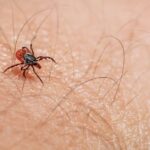
Some bites carry disease. Tick bites can transmit Lyme disease and other infections. Mosquito bites can transmit West Nile virus and other illnesses in certain regions. If you were bitten by a tick and later develop a rash, fever, or joint pain, see a doctor. Do not try to treat it at home.
Does Baking Soda Work for All Bug Bites?
No. Different bites cause different reactions, and baking soda is not equally useful for all of them.
Mosquito bites cause a histamine-driven itch that baking soda may temporarily soothe. Flea bites tend to be intensely itchy and often appear in clusters. Fire ant stings form pustules that should not be broken. Spider bites vary widely depending on the species, and some require medical treatment.
Bee and wasp stings are a different situation. The old advice to apply baking soda to a bee sting comes from the idea that bee venom is acidic. But the evidence for this is weak, and the more important step is removing the stinger quickly if it is still in the skin. For wasp stings, which are alkaline, baking soda makes even less sense chemically.
If you are unsure what bit you, and the reaction is severe or unusual, get medical attention rather than experimenting with home remedies.
How Do You Prevent Bug Bites in the First Place?
Prevention is more effective than any treatment. The CDC recommends using EPA-registered insect repellents, which have been tested for safety and effectiveness.
Common active ingredients include DEET, picaridin, and oil of lemon eucalyptus. The CDC notes that oil of lemon eucalyptus should not be used on children under 3 years old. For infants under 2 months, the CDC recommends not using insect repellent at all — instead, use protective clothing and mosquito netting.
Other steps that help:
- Wear long sleeves and pants when outdoors in areas with heavy insects.
- Use permethrin-treated clothing if you are in tick-heavy areas.
- Remove standing water around your home to reduce mosquito breeding.
- Check for ticks after time in wooded or grassy areas.
No method is perfect. But reducing bites reduces the need for any remedy in the first place.
Frequently Asked Questions
Does baking soda actually stop bug bite itching?
It may temporarily soothe itching for some people, but it does not block histamine or treat the underlying reaction. The evidence for it working better than a cold compress is limited.
How long should you leave baking soda paste on a bug bite?
Leave it on for about 10 to 20 minutes, then rinse with cool water. You can repeat a few times a day if it helps, but do not leave it on for hours.
Can you put baking soda on a bug bite that has been scratched open?
No. Do not apply baking soda to broken skin, open wounds, or blisters. It can irritate the tissue and does not help healing.
When should you see a doctor for a bug bite?
See a doctor if the bite gets larger, hotter, or more painful after a day or two, or if you develop pus, red streaks, or a fever. Seek emergency care for trouble breathing, throat swelling, or fainting.
